

Millets Instead of Rice and Wheat
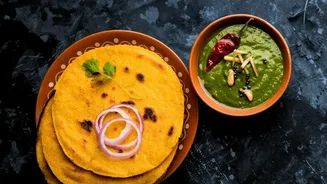
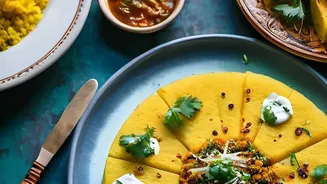
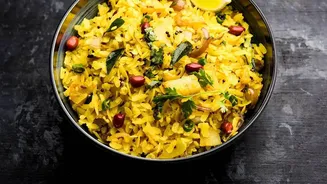
Once considered a humble grain, millets like ragi, jowar, and bajra are making a major comeback. Spurred by government initiatives and a growing awareness of their nutritional benefits, these gluten-free grains are replacing refined rice and wheat in everything
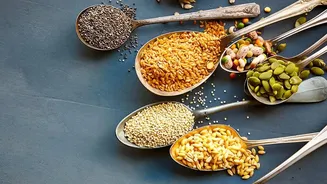
from dosas and rotis to breakfast porridges. Their high-fibre and nutrient-dense profile appeals to health-conscious consumers, while their climate-resilient nature adds to their modern-day relevance.
Jackfruit Instead of Meat
Raw jackfruit, or 'kathal', has been a part of Indian cuisine for centuries, but it's now gaining global fame as a convincing plant-based meat substitute. Its fibrous, shreddable texture mimics that of pulled pork or chicken, making it a versatile ingredient for curries, biryanis, and even burgers. As more Indians explore vegetarian and vegan diets, jackfruit offers a whole-food alternative to processed meat analogues.
Plant-Based Milks Instead of Dairy
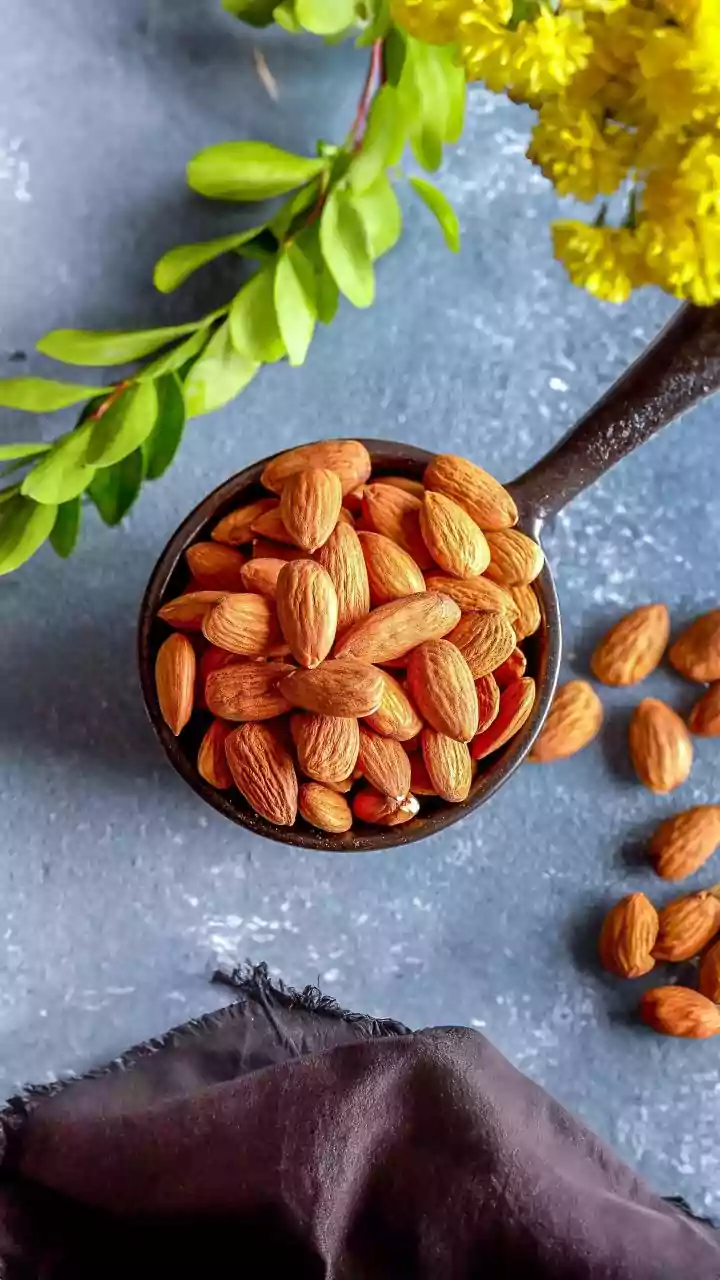
The dairy alternatives market in India is expanding rapidly, driven by rising lactose intolerance and a growing vegan movement. Almond, soy, and oat milks are no longer niche products, appearing in cafes and supermarket aisles across urban centres. These plant-based milks are being used in everything from morning coffee and chai to smoothies and desserts, catering to consumers seeking healthier, ethical, and more sustainable choices.
Kombucha Instead of Sugary Sodas
As consumers turn away from sugary carbonated beverages, fermented tea drinks like kombucha are finding a thirsty market. Positioned as a functional beverage with probiotic benefits for gut health, kombucha is becoming a popular choice among wellness-focused urbanites. With a growing number of local and artisanal brands offering a variety of flavours, this fizzy, tangy drink is quickly moving from a niche health trend to a mainstream refreshment.
Baked Snacks Instead of Fried Namkeen
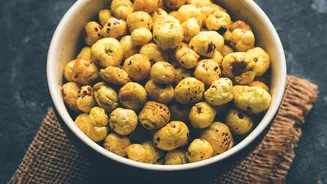
The traditional evening chai is increasingly being paired with healthier snacks. Instead of deep-fried samosas and namkeen, Indians are reaching for baked, roasted, or air-fried options. The healthy snacks market is booming with products like baked multigrain chips, roasted makhana (fox nuts), and various seed and nut mixes. This shift reflects a growing demand for guilt-free indulgence without compromising on flavour or crunch.
Quinoa Instead of White Rice
Though originally from South America, quinoa has firmly established itself in the modern Indian diet. Valued for being a complete protein containing all nine essential amino acids, it's a popular substitute for rice, especially in salads, pulao, and upma. Its gluten-free nature and high fibre content make it a go-to for fitness enthusiasts and those managing their weight or blood sugar levels.
Jaggery Instead of Refined Sugar
There's a growing movement back towards traditional sweeteners, with jaggery (gur) leading the charge. Unlike refined white sugar, which is stripped of all nutrients, jaggery is unrefined and retains trace minerals like iron and magnesium. While it should still be used in moderation, many households now prefer its complex, caramel-like flavour for sweetening tea, coffee, and traditional Indian desserts.
Cauliflower Rice Instead of Grains
A favourite in low-carb and keto diets, cauliflower rice has found its way into Indian kitchens as a grain-free alternative. Essentially grated cauliflower, it mimics the texture of rice and can be used as a base for curries or stir-fried with Indian spices into a 'pulao'. This swap is popular among those looking to increase their vegetable intake and reduce their carbohydrate consumption.
Himalayan Pink Salt Instead of Table Salt
The distinctive pink-hued salt, known as sendha namak, has moved from being a fasting-specific ingredient to an everyday wellness choice. Perceived as a purer, more natural alternative to highly processed table salt, Himalayan pink salt is valued for its mineral content. It's now commonly used as a finishing salt on salads, snacks, and drinks, reflecting a broader trend towards minimally processed, natural ingredients.
Nut Butters Instead of Jams and Spreads
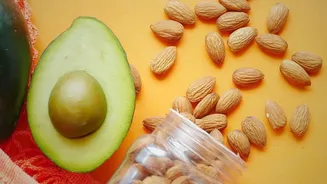
Breakfast tables are also seeing a change. High-sugar jams and chocolate spreads are being replaced by protein-rich nut butters. Peanut butter is the long-standing favourite, but butters made from almonds, cashews, and seeds are also gaining popularity. This switch is part of a larger trend towards starting the day with a more satiating, protein-focused meal.