


The Gentle Power of Cat-Cow
Cat-Cow is a sequence loved by yoga teachers for good reason. It’s a dynamic movement that warms up the body, increases spinal flexibility, and relieves tension in the back, neck, and shoulders. By linking breath with movement—typically inhaling into
the 'Cow' arch and exhaling into the 'Cat' round—it also serves as a calming, mindful practice. The gentle undulation can improve posture, lubricate the joints, and lightly engage your core muscles, making it an excellent preparation for deeper stretches or a simple way to break up a long day of sitting. When done correctly, it should feel like a pleasant, flowing movement, not a strain.
Identifying the Source of Discomfort
Pain during Cat-Cow is a signal to pause and adjust, not to push through. The most common areas of discomfort are the wrists, lower back, and neck. Wrist pain often arises from bearing weight on a sensitive or improperly aligned joint. Back pain, especially a sharp pinching sensation, can occur from 'hinging' at one overly mobile point in the lower back instead of distributing the curve along the entire spine. Neck strain is also common, usually from either cranking the head too far back in Cow or forcing the chin to the chest in Cat, rather than letting the head follow the spine’s natural movement.
Perfecting Your Foundation: Proper Form
Correct alignment is the first step to a pain-free practice. Start on your hands and knees in a 'tabletop' position. Your hands should be directly under your shoulders, and your knees should be directly under your hips, about hip-width apart. Spread your fingers wide to create a stable base and distribute weight evenly. Before you begin to move, find a neutral spine where your back is flat. Initiate the movement from your tailbone, letting the wave of motion travel up your spine to your head. In Cow, inhale as you lift your tailbone, allow your belly to drop, and open your chest, gazing gently forward. In Cat, exhale as you tuck your tailbone, draw your navel toward your spine, and round your back, letting your head release naturally.
Wrist-Saving Modifications
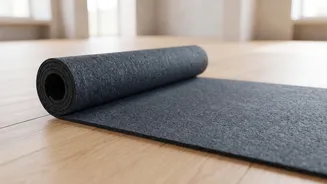
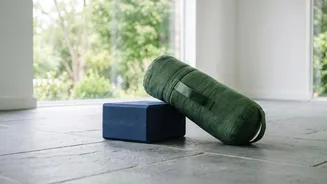
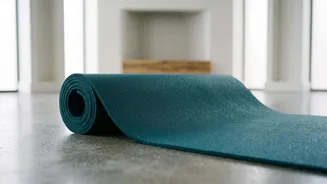
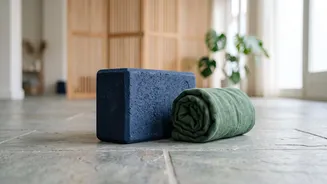
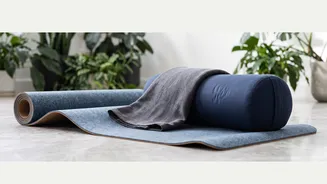
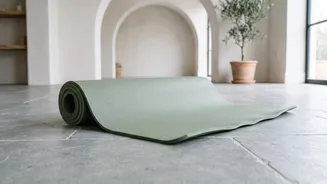
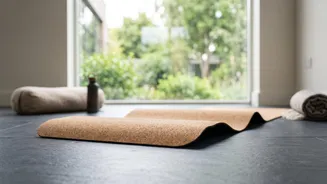
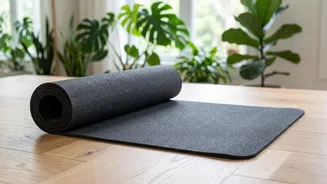
If your wrists are complaining, there are several ways to take the pressure off. The simplest solution is to make fists with your hands and rest on your knuckles, keeping the wrists straight. Another option is to come down onto your forearms, either on the mat or on blocks, which preserves the spinal movement without loading the wrists at all. You can also use yoga blocks or even a rolled-up mat under the heels of your hands to decrease the angle of extension. These small adjustments allow you to focus on the spinal stretch without any wrist-related distractions.
Soothing a Sensitive Back and Neck
For those with back or neck sensitivity, the key is to reduce the range of motion. Instead of aiming for the deepest possible arch and round, work within a smaller, comfortable range. Focus on creating a long, even curve rather than a sharp bend in your lower back. For neck comfort, avoid dropping your head all the way back in Cow pose; instead, keep the back of your neck long and just lift your gaze. In Cat pose, let the head drop naturally instead of forcefully pulling your chin to your chest. If you experience pain in one direction, for example, flexion (rounding), you can simply move from a neutral spine into the extension (arching) phase and back to neutral, skipping the painful part entirely.
Try It Seated or Standing
The benefits of Cat-Cow aren’t limited to the floor. If being on your hands and knees is uncomfortable for any reason, you can perform the same spinal movements from a chair or while standing. For a seated version, sit tall in a chair with your feet flat on the floor and your hands on your knees. Inhale to arch your back and open your chest, and exhale to round your spine. For a standing variation, stand facing a wall or the back of a sturdy chair. Place your hands on the surface, walk your feet back, and move through your Cat-Cow flow, taking all the pressure off your knees and wrists.