
Tracking Down Special Trains
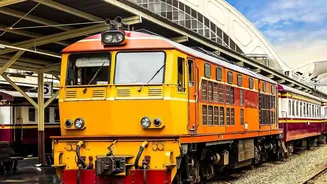
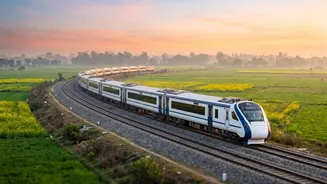
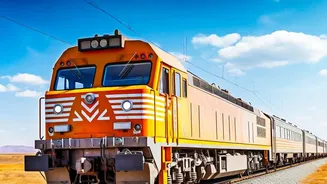
Every year, Indian Railways announces hundreds of special trains to manage the festive demand. For Diwali 2026, these announcements have already begun, with Northern and Central Railways publishing initial lists in late September. These trains often have unique
numbers starting with '0' and are announced progressively, sometimes just a few weeks before the travel date. Your best bet is to regularly monitor the official IRCTC website (irctc.co.in) and the National Train Enquiry System (NTES) app. Following the official Twitter handles of zonal railways, like @RailwayNorthern, can also provide instant updates on new services. Bookings for these trains typically open shortly after their announcement and can fill up fast.
Mastering the Booking Window
For regular trains, the 120-day advance reservation period (ARP) is your first opportunity. However, for Diwali, the real action is with Tatkal and special train bookings. The Tatkal window opens one day before the journey's start from the originating station, at 10 AM for AC classes and 11 AM for non-AC classes. To be successful, create a 'Master List' of passengers in your IRCTC profile beforehand. This allows you to fill details with a single click, saving crucial seconds. Keep your payment details, like UPI or wallet information, ready to complete the transaction swiftly. Remember, Tatkal tickets are non-refundable on cancellation.
Your Waitlist Backup: The Vikalp Scheme
If you land on a waitlist, don't lose hope. Opt for the 'Vikalp' scheme while booking. This scheme gives Indian Railways permission to assign you a confirmed berth in an alternative train on the same route if a seat becomes available. There are no extra charges, and it significantly increases your chances of getting a confirmed ticket. However, Vikalp does not guarantee a berth; it is subject to availability. The allotted train might depart within 12 hours of your original train's schedule, and the boarding and destination stations could be nearby alternatives. Always check your final PNR status after the chart is prepared.
Think Beyond Direct Routes
If a direct train to your hometown is fully booked, consider creative alternatives. Look for trains to a major station nearby and complete the rest of the journey by bus or a local train. For example, instead of a direct train to a smaller town in Uttar Pradesh, you could book a ticket to Lucknow or Kanpur and travel onward from there. Another strategy is 'break-journey' booking. If you are travelling a long distance, you can book a ticket to an intermediate station where availability is better, and then book a separate ticket from that station onward. This often opens up seats that are not available for end-to-end booking.
When Trains Fail: Buses, Flights and Carpooling
If the railway network is not an option, it's time to explore other modes of transport. Luxury Volvo and state-run bus services increase their frequency during Diwali. Online portals allow you to book these in advance. For longer routes, last-minute flights can sometimes be surprisingly competitive, especially if you fly to a secondary airport and travel the rest of the way by road. Carpooling apps and services also see a surge in listings during this period, offering a comfortable and often faster alternative for those travelling on popular routes like Delhi-Chandigarh or Mumbai-Pune.
Travel Safe and Smart
Festive travel comes with crowded trains and stations, so safety is paramount. Pack light to move easily and always keep an eye on your luggage. Avoid carrying large amounts of cash. Critically, never carry flammable items like firecrackers, as it is strictly prohibited and a serious safety hazard on trains. Use railway apps to track your train's real-time status to avoid unnecessary waiting at the station. Given the rush, only travel with a confirmed ticket or if you have been allotted a seat through the Vikalp scheme to avoid any legal trouble or uncomfortable situations.