
Mysuru: The Royal Standard of Celebration
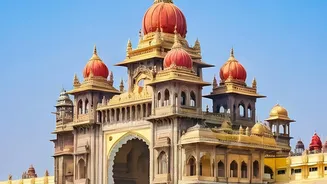
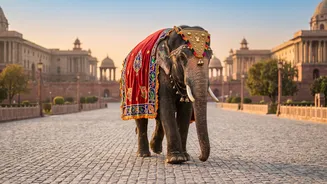
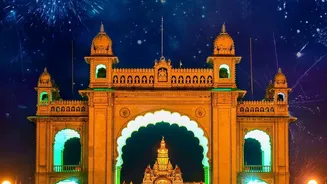
Mysuru Dasara, the official state festival of Karnataka, sets a spectacular benchmark. For ten days, the city transforms into a cultural hub, culminating in the magnificent Jamboo Savari, a grand procession where the idol of Goddess Chamundeshwari is
carried on a decorated elephant. This event alone draws visitors from across the globe. But the procession is just one part of a wider economic phenomenon. The festival creates a ripple effect, boosting sectors from hospitality and transport to local handicrafts and food. Hotels often report full occupancy, and the increased footfall benefits everyone from small business owners to artisans who showcase and sell traditional wares. While some have raised concerns about the growing commercialisation, the festival's ability to generate significant local revenue is undeniable.
Kullu: Where the Gods Descend
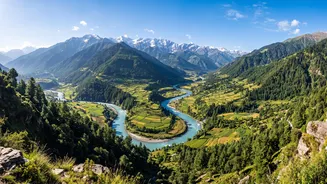
In the Himalayan state of Himachal Pradesh, the Kullu Dussehra offers a different yet equally powerful example. Uniquely, its main celebrations begin on Vijayadashami, when festivities in the rest of the country are concluding, and continue for a week. This International Mega Dussehra festival sees over 200 deities from surrounding villages brought in procession to the Dhalpur Maidan to pay respect to Lord Raghunath. This 'congregation of the gods' attracts more than five lakh people from around the world. The festival has a significant economic impact, creating opportunities for hotels, local artisans, and transport providers, and generating temporary employment in event management. Cultural troupes from other countries also perform, adding a global dimension to this deeply local tradition.
Bastar: A Unique Tribal Epic
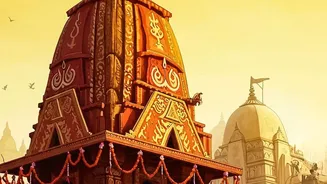
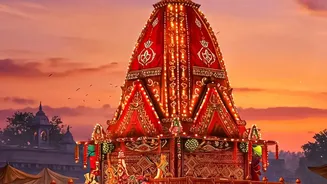
Perhaps the most distinct celebration is Bastar Dussehra in Chhattisgarh, notable for being one of the longest festivals in the world, stretching over 75 days. Unlike others, it is not linked to the Ramayana but is dedicated to Maa Danteshwari, the region's principal deity. This festival is a profound showcase of tribal culture, involving intricate rituals, the construction of a massive wooden chariot, and the participation of numerous indigenous communities, each with a specific role. For tourists, it offers an immersive experience into a way of life, from folk music and dance to traditional crafts. This authenticity is its biggest draw, turning the remote region into a major attraction for those seeking cultural experiences beyond the mainstream.
The Economics of Authenticity
What makes these festivals such powerful tourism magnets is their authenticity. In an era of homogenised travel, they offer a direct connection to India's living heritage. Visitors are not just spectators; they are participants in centuries-old traditions. This appeal translates into tangible economic benefits. Studies show that Indian festivals are powerful economic engines, driving consumer spending across multiple sectors. They create a seasonal economic boom that sustains local communities. The revenue generated from tourism helps preserve the very traditions that attract visitors, creating a sustainable cycle where culture fuels commerce, and commerce, in turn, helps safeguard culture. By investing in the infrastructure and promotion of these events, states are not just spending on a festival; they are investing in a unique and powerful tourism product.