




More Than Just Milk
India proudly stands as the world's largest milk producer, accounting for about a quarter of global output. The dairy sector is not just an industry; it's the backbone of the rural economy, providing a crucial source of income for over 80 million farming
families, many of them smallholders. Milk is deeply woven into the nation's nutritional security, cultural traditions, and economic stability. This sheer scale, however, also makes the sector incredibly vulnerable to systemic shocks. Climate change is proving to be the biggest shock of them all, creating a period of unprecedented risk for the entire value chain, from the cow to the consumer.
The Primary Threat: Heat Stress
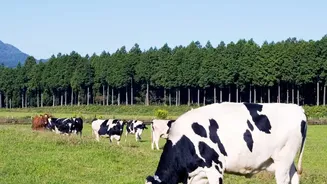
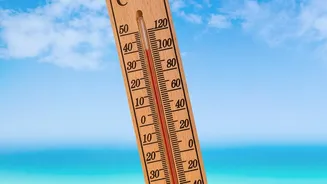
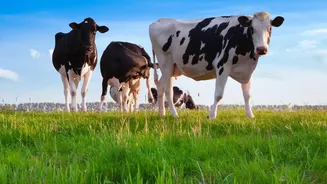
The most immediate and damaging impact of climate change on dairy cattle is heat stress. As average temperatures rise and heatwaves become more frequent and intense, cows suffer. These animals have a specific temperature range where they are comfortable. When their body temperature rises, they eat less and divert energy away from milk production. Studies show that high temperatures combined with humidity can cause significant drops in milk yield—sometimes by as much as 25%. Heat stress also harms reproductive health, leading to lower conception rates, which directly reduces the productivity of the herd over time. Buffaloes, which contribute significantly to India's milk production, are especially sensitive to heat.
Knock-On Effects for Production
The challenges go far beyond just heat. Climate change creates a cascade of related problems. Erratic monsoons and prolonged droughts lead to severe water scarcity, affecting both the drinking water for cattle and the irrigation needed for growing fodder. A nationwide fodder shortage, fuelled by climate change and rising costs, is a recognised problem. Poor quality or insufficient feed further impacts animal health and milk output. Changing weather patterns also create favourable conditions for the spread of diseases that can devastate herds. These interconnected issues create a perfect storm of risks for dairy farmers.
What This Means for Consumers
While farmers face the immediate crisis, the consequences inevitably flow to the consumer. The most direct impact is on price. Reduced milk production and increased costs for farmers—for things like cooling systems, more expensive feed, and veterinary care—will almost certainly lead to higher milk prices. Consumers might also face supply volatility, with potential shortages during extreme weather events. There is also a risk to quality; heat-stressed cows can sometimes produce milk with lower fat and protein content, affecting its market value. The affordable, reliable milk supply that Indian households have long taken for granted is no longer a guarantee.
Adapting to the New Reality
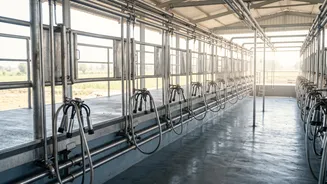
The situation is serious, but it is not hopeless. Across India, efforts are underway to build a more climate-resilient dairy sector. Scientists and agricultural bodies are promoting the cross-breeding of indigenous Indian cattle, which are naturally more heat-tolerant. Farmers are being trained in better management practices, such as providing adequate shade, ventilation, and cooling systems like misting fans. Government schemes like the National Innovations in Climate Resilient Agriculture (NICRA) and industry-led groups like the Resilient Dairy Alliance are focusing on fodder development, water conservation, and creating better support systems to help farmers adapt.