







The Great Migration to Tier-2 Cities
For years, the path to professional success in India seemed to lead exclusively to the bustling, congested streets of Mumbai, Delhi, or Bengaluru. But a new trend is reshaping the country's economic map. An increasing number of professionals and businesses
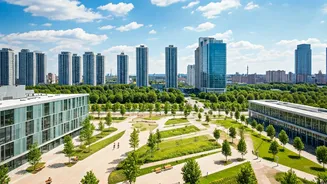
are looking towards Tier-2 cities, which offer a compelling blend of opportunity and quality of life. These mid-sized urban centres are no longer just secondary markets; they are becoming the new engines of growth. Factors like lower operational costs, which can be up to 40% cheaper than in metros, a skilled workforce emerging from regional academic institutions, and a better work-life balance are driving this shift. The trend, accelerated by the pandemic-era acceptance of remote work, has seen talent moving back to or choosing smaller cities for their cleaner air and less congested environments.
Chandigarh: Planned City, Booming Future
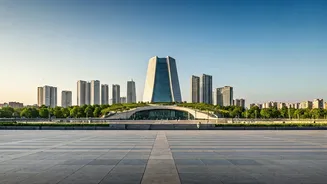
Chandigarh, India's first planned city, is leveraging its foundational strengths to build a modern economic identity. Long celebrated for its orderly infrastructure and high quality of life, it now ranks as one of the happiest and safest cities in the country. This livability is a major draw for talent. But beyond its clean streets, a powerful economic transition is underway. Chandigarh's startup ecosystem is one of the fastest-growing in India, with a staggering annual growth rate of over 168% recorded in 2025. The city is home to hundreds of startups in sectors like IT, SaaS, and HealthTech, making it the 10th strongest startup ecosystem in the nation. This boom is supported by government initiatives and a steady pipeline of graduates from nearby educational institutions. Massive infrastructure investment, including a recent infusion of over ₹1,000 crore for projects in healthcare, education, and mobility, is set to further enhance its appeal. On June 24, 2026, the city's Finance & Contract Committee approved another ₹20 crore for 82 development works, reinforcing its commitment to top-tier civic amenities.
Jaipur: Where Heritage Meets High-Tech
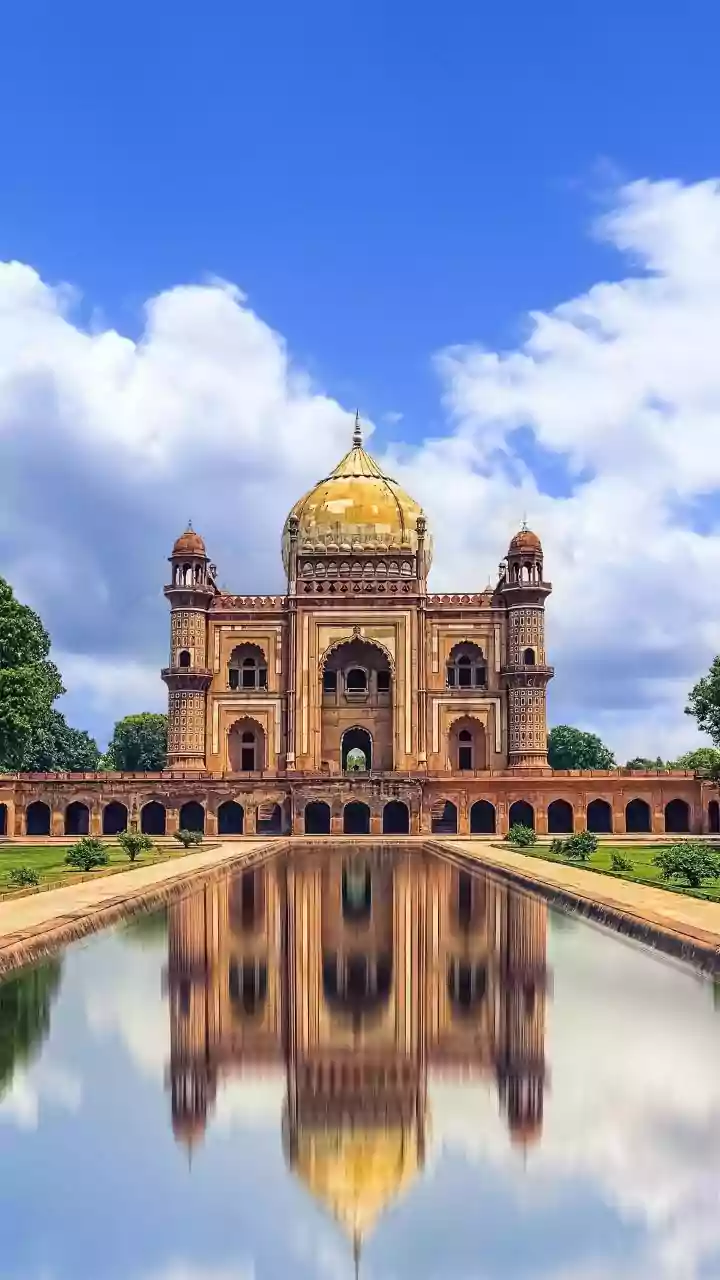
Jaipur, the Pink City, is undergoing a remarkable transformation, blending its rich cultural heritage with a dynamic startup culture. It has emerged as one of the most promising Tier-2 cities for entrepreneurship, attracting significant investor interest that was once reserved for metros. The city is now home to over 500 startups and one unicorn, ranking 8th nationally in the StartupBlink Ecosystem Index. With a growth rate of nearly 12% in 2025, Jaipur's startup scene is thriving across e-commerce, fintech, and edtech. This entrepreneurial spirit is supported by a strong talent pool from local universities and significantly lower operating costs compared to Tier-1 hubs. The government is also investing heavily in the city's future. Major infrastructure projects, including a ₹58 billion convention and IT hub near the airport and a multi-billion-rupee metro expansion, are underway. Recent launches like the Jaipur-Darbhanga Amrit Bharat Express and a new coaching terminal have further boosted connectivity, signaling the city's rising economic importance.
A New Blueprint for Urban India
The rise of Chandigarh and Jaipur is more than just a story of two cities; it reflects a broader, more decentralized model for India's economic development. These cities are proving that rapid growth doesn't have to come at the cost of livability. By offering a potent mix of lower costs, skilled talent, government support, and improving infrastructure, they are attracting both established companies and new ventures. This expansion into Tier-2 hubs is crucial for tapping into new markets and reducing the immense pressure on overcrowded metropolitan areas. As these cities build out their logistics and warehousing capabilities—with Chandigarh-Rajpura leading among emerging hubs—they become even more integral to the national supply chain. They represent a new frontier for sustainable and inclusive growth, creating opportunities closer to home for millions and offering a more balanced blueprint for the future of urban India.