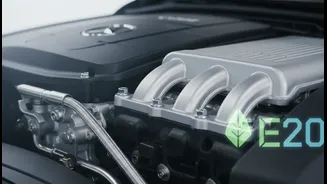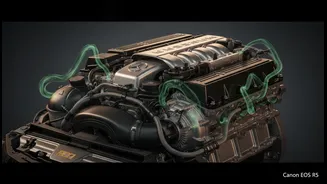








First, What is E20 Fuel?
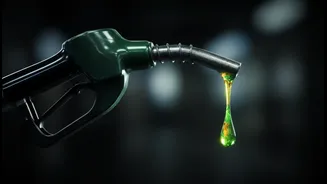
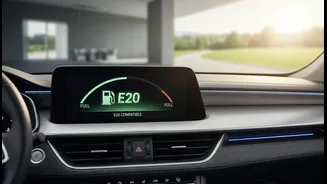
You've likely seen the 'E20' sticker at petrol pumps, as it has become the standard fuel across India. E20 is a blend of 80% petrol and 20% ethanol, an alcohol-based fuel derived from agricultural sources like sugarcane and maize. This nationwide shift
is part of India's larger strategy to reduce its reliance on imported crude oil, which accounts for over 85% of its needs. The government's push for E20 aims to bolster energy security, lower carbon emissions, and support farmers' incomes. For the everyday consumer, this change has introduced a new variable into the car-buying equation.
The Real Cost-Saving Question
The primary driver for any budget-conscious buyer is savings. So, is E20 cheaper? The answer is nuanced. The government has clarified that the goal of ethanol blending isn't to create cheaper pump prices in the short term, but to provide long-term price stability against volatile global oil markets. In fact, producing E20 can sometimes be more expensive than regular petrol depending on crude oil prices. However, the policy does help shield consumers from drastic international price hikes. By having a 20% component of the fuel produced domestically, India managed to keep its petrol price increases significantly lower than neighbouring countries like Pakistan and Sri Lanka between 2022 and 2026.
Performance, Mileage, and Myths
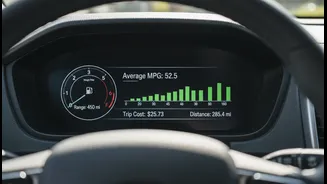
A common concern surrounding E20 fuel is its impact on vehicle performance and mileage. Because ethanol has a lower energy density than petrol, a slight drop in fuel efficiency is expected—typically around 3-7%. However, auto manufacturers and government officials argue this is balanced by other benefits. Ethanol acts as a natural octane booster, which can lead to cleaner combustion, smoother acceleration, and reduced carbon deposits in the engine. Major automakers like Maruti Suzuki, Hyundai, Tata, and even luxury brands like Mercedes-Benz and BMW have confirmed that all their new models since 2023 are fully E20-compatible, and they continue to provide warranties. They report no evidence of engine damage from E20 fuel in these compliant vehicles.
Why It's a Smart Choice for Young Buyers
For a young person buying their first or second car, thinking long-term is key. Choosing an E20-compatible vehicle is a future-proofing strategy. The Indian government has already begun planning for higher ethanol blends like E25 and E30. Opting for a car designed for the current standard means avoiding any potential compatibility issues down the line. Virtually all new cars sold in India today, from budget-friendly hatchbacks like the Maruti Suzuki Swift and Tata Tiago to popular compact SUVs like the Hyundai Venue and Tata Punch, are E20 compliant. This makes the choice simple and safe. Buyers are no longer just purchasing a car; they are investing in a vehicle aligned with the nation's evolving energy landscape, ensuring peace of mind and hassle-free ownership for years to come.