



The Burnout of ‘Checklist Tourism’
For decades, the mark of a successful trip was a completed checklist. Eiffel Tower? Check. Taj Mahal at sunrise? Check. Colosseum? Check. This approach, often called “landmark chasing” or “checklist tourism,” turns travel into a competitive sport. The
pressure, amplified by social media, is to see more, do more, and capture it all for public consumption. But this relentless pace is leading to a specific kind of exhaustion known as travel burnout. Symptoms include feeling anxious about trips, relief when plans are cancelled, and a nagging sense of emptiness despite being in a beautiful place. Instead of returning rejuvenated, many travellers come home needing a vacation from their vacation. This model is not just personally draining; it contributes to overtourism, which strains local infrastructure and alienates residents in popular destinations.
The Rise of the Quiet Getaway
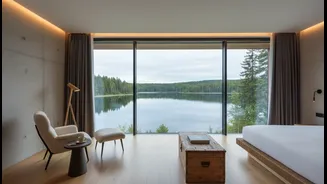
In response, a quieter, more intentional approach is taking hold: slow travel. Emerging as a major trend, this philosophy swaps the whirlwind tour for a deeper, more mindful experience. It’s a rebellion against the idea that you must return home with a gallery of iconic photos. The goal shifts from seeing a landmark to feeling a place. This isn't about doing nothing; it's about doing less, more thoughtfully. Instead of visiting five cities in a week, a slow traveller might spend the entire seven days in one neighbourhood, learning its rhythms and connecting with its people. This mindset is about trading the stress of a packed schedule for the peace of being present.
The Art of Careful Looking
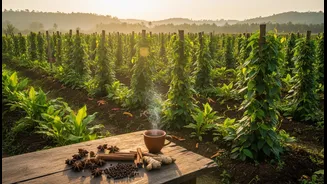
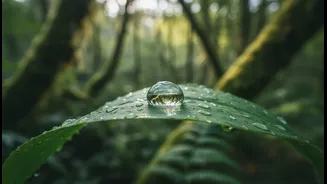
At the heart of the quiet getaway is the practice of “careful looking.” It means engaging your senses and paying attention to the small details that make a place unique. It’s the difference between taking a photo of a market and actually smelling the spices, hearing the vendors, and tasting a local fruit. By slowing down, you give your brain a break from the constant decision-making and planning that define traditional trips. This mindful observation creates richer, more lasting memories than a fleeting selfie ever could. It fosters a heightened state of awareness, allowing you to appreciate your surroundings without judgment and find calm amid the chaos. The result is a trip that is genuinely restorative, reducing stress and enhancing creativity.
How to Embrace Slow Travel
Adopting this approach doesn’t require a radical change in destination, but rather a shift in mindset. Start by choosing one place and staying put. Resist the urge to plan every minute of your day. Leave room for spontaneity—to follow a winding alley, linger in a café, or accept an unexpected invitation. Practice “life gazing” by consciously observing the world around you without reaching for your phone. Try mindful eating, where you savour the flavours and textures of local cuisine instead of rushing through a meal. Ask yourself what it would feel like to live here for a week, not just visit for a day. The focus is on connection—with the place, its people, and yourself.