






The New Indian Plate
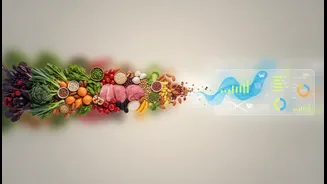
For generations, the typical Indian diet was dominated by cereals, pulses, and fresh, seasonal vegetables. Today, that plate looks vastly different. Economic growth and urbanization have introduced new dietary patterns. There is a marked decrease in the consumption
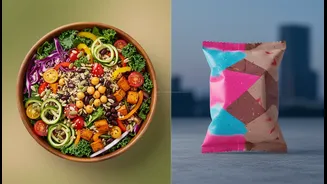
of coarse grains and pulses, and a significant increase in the intake of fats, sugars, and highly processed foods. This shift is driven by a combination of factors: rising incomes, the convenience of ready-to-eat meals, and the pervasive marketing of packaged goods. This phenomenon, known as the 'nutrition transition', is seeing traditional, nutrient-dense foods being replaced by energy-dense, but nutrient-poor, alternatives.
The Calorie-Nutrient Paradox
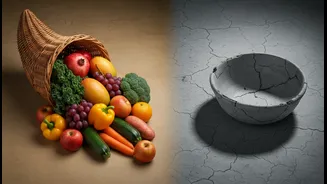
On the surface, it might seem that Indians are eating more, which should translate to better nutrition. However, the reality is more complex. While overall calorie intake might be sufficient for many, especially in urban areas, the quality of these calories is declining. This leads to a dangerous gap between energy adequacy (getting enough calories) and nutrient adequacy (getting enough essential vitamins and minerals). This condition is often called 'hidden hunger', where a person can be overweight and yet suffer from micronutrient deficiencies. India is now home to nearly half of the world's population suffering from this issue, with widespread deficiencies in iron, vitamin A, B12, and folate.
A Double Burden on Health
The consequences of this widening gap are stark, creating a 'double burden of malnutrition'. On one hand, the country is still fighting high rates of undernutrition, like stunting in children. On the other hand, it is facing a rapidly escalating epidemic of overnutrition and related non-communicable diseases (NCDs). Increased consumption of ultra-processed foods, which are high in salt, sugar, and unhealthy fats, is directly linked to rising rates of obesity, type 2 diabetes, hypertension, and heart disease. Shockingly, obesity has doubled among adults in a decade, and these lifestyle diseases are now appearing in younger patients.
Urban Lifestyles and Rural Shifts
While this trend is most pronounced in urban centres, it is not confined to them. The desire for convenience and the aspirational value attached to packaged foods are influencing dietary habits in rural areas as well. E-commerce platforms are accelerating this change, making premium and processed foods accessible even in smaller towns and cities. As lifestyles become more sedentary and dependence on ready-to-eat meals grows, the risks associated with this dietary shift are spreading across the country, affecting all socioeconomic groups. This creates a complex public health challenge where problems of undernutrition and overnutrition can exist within the same community, or even the same household.
Forging a Healthier Path Forward
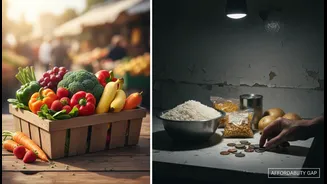
Addressing this nutritional divide requires a multi-pronged approach. Experts suggest a focus on policy interventions and public awareness. This includes making nutritious foods more affordable, implementing clear front-of-package labelling to help consumers make informed choices, and restricting the advertising of unhealthy foods, especially to children. Revitalising the focus on traditional diets, promoting dietary diversity through millets and pulses, and strengthening nutrition education in schools and public health programs are also crucial steps. The goal is to shift from a focus solely on calorie sufficiency to one that prioritises nutrient quality.