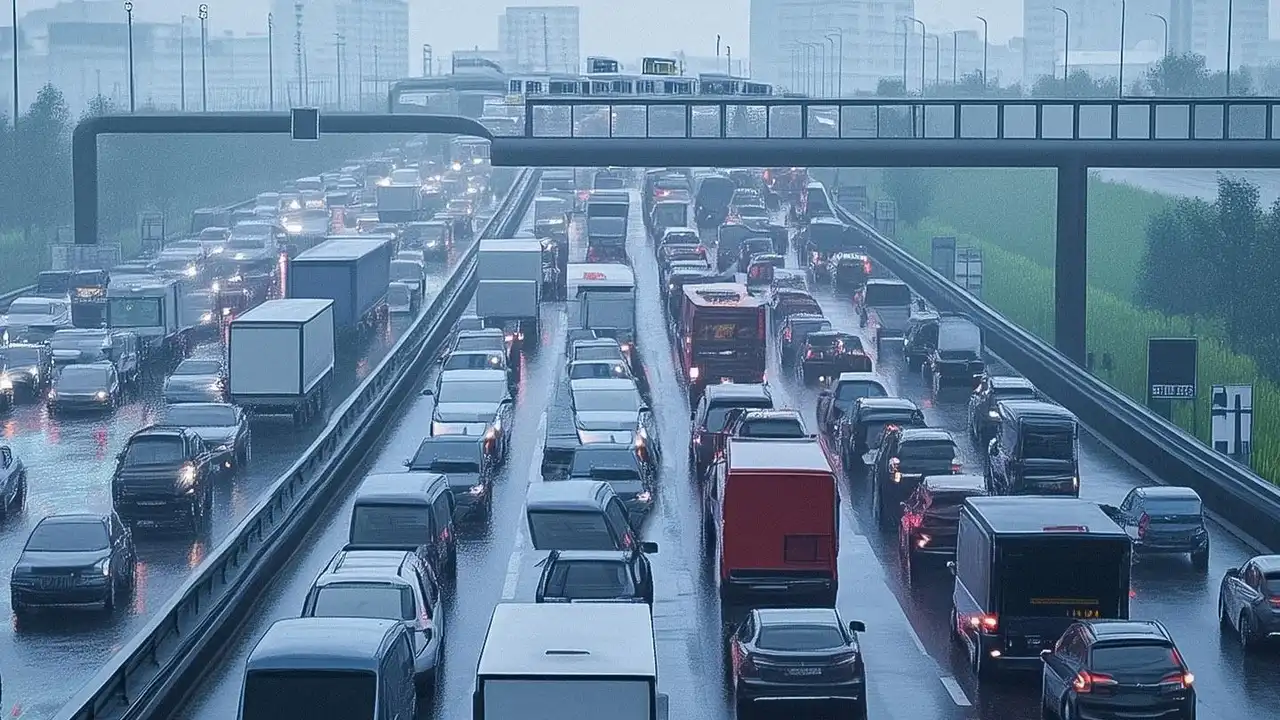







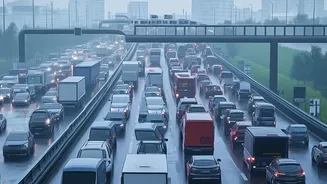
As winter approaches, Delhi is bracing for its annual battle with air pollution. From November 1, new vehicle restrictions will be in effect to curb emissions. This guide breaks down what you need to know to navigate the city's roads.
The New Rules: A Ban on Older Vehicles
To combat deteriorating
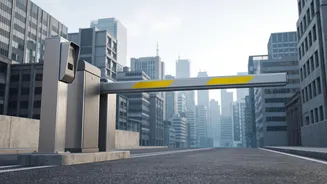
air quality, the Delhi government is implementing a key measure from its Winter Action Plan. From November 1, 2026, to January 31, 2027, most petrol and diesel vehicles registered outside of Delhi that do not meet Bharat Stage-VI (BS-VI) emission standards will be banned from entering the city. This restriction primarily impacts commuters from neighbouring NCR cities like Gurugram, Noida, Ghaziabad, and Faridabad who drive older cars. Since the BS-VI standard became mandatory for new vehicles on April 1, 2020, this rule effectively targets most cars registered before that date. This measure is separate from the Graded Response Action Plan (GRAP), which may impose additional restrictions, like the odd-even scheme, if pollution levels reach 'Severe' or 'Severe Plus' categories.
The Crucial Exemption List
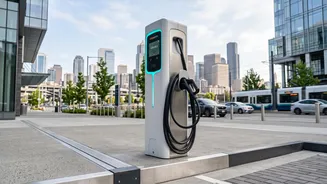
The headline-making news for many is the list of vehicles exempt from this entry ban. As the government aims to promote cleaner transport, all-electric vehicles (EVs) and vehicles running on compressed natural gas (CNG) can enter Delhi freely, regardless of their registration location. This provides a significant advantage to owners of these cleaner-fuel cars. In addition to EVs and CNG vehicles, the ban does not apply to BS-VI compliant vehicles registered outside Delhi. Furthermore, a standard set of essential and emergency service vehicles, such as ambulances and fire tenders, are also permitted to enter the city. It is crucial for commuters to verify if their vehicle falls into one of these exempt categories before planning their travel.
Why EVs and CNG Cars Get a Pass
The exemption for electric and CNG vehicles is a deliberate policy choice to incentivise the transition away from more polluting petrol and diesel engines. Vehicular emissions are a primary contributor to Delhi's winter smog, and by allowing unrestricted access for cleaner alternatives, authorities hope to accelerate their adoption. Electric vehicles produce zero tailpipe emissions, making them the ideal choice from an air quality perspective. CNG vehicles, while not zero-emission, burn cleaner than their petrol and diesel counterparts, releasing significantly lower levels of harmful particulate matter. This special status during pollution season highlights the long term direction of urban mobility policies in the capital, favouring sustainability and public health.
Don't Forget Your PUC Certificate
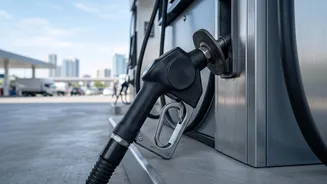
Alongside the new entry restrictions, a separate and equally important rule remains in full force: 'No PUC, No Fuel'. All vehicles, including those that are BS -VI compliant and allowed to enter Delhi, must have a valid Pollution Under Control (PUCC) certificate. Authorities have intensified enforcement, and vehicles without a valid PUCC will be denied fuel at petrol pumps across the city. Electric vehicles are naturally exempt from this rule as they do not require PUC certification. Before heading out, every driver of a combustion -engine vehicle should ensure their PUC certificate is up -to -date to avoid being stranded.
Other Measures and Penalties
The vehicle entry ban is part of a broader strategy to clean up Delhi's air. Other measures taking effect include a doubling of parking charges at authorised facilities (excluding DMRC parking) to discourage private vehicle use, restrictions on dust -generating construction, and a push for offices to limit physical attendance. For those who violate the GRAP rules, such as driving a banned vehicle, the penalties can be steep. Under the amended Motor Vehicles Act, fines for such violations can be as high as ₹20 ,000. Enforcement will be strict, with AI -powered cameras at border checkpoints automatically scanning number plates to identify and flag non -compliant vehicles.