




Traction Is Your Top Priority
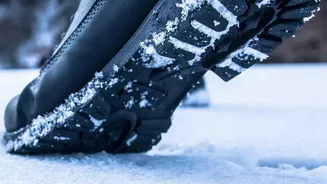
When facing wet leaves, ice, or snow, the standard outsole of a road running shoe often won't cut it. Traction becomes the most critical feature for preventing slips and injuries. Look for shoes with aggressive outsole patterns, often called lugs. These
are deep, patterned indentations in the rubber that bite into soft or uneven ground. Trail running shoes are an excellent choice for winter workouts, even on roads, as they are specifically designed for grip on unpredictable surfaces. The rubber compound also matters; many winter-specific or trail shoes use a softer, 'stickier' rubber that remains flexible and grippy in freezing temperatures, whereas standard shoe rubber can harden and lose traction.
The Waterproofing Question
Keeping feet dry is essential for staying warm and comfortable. Wet feet in cold weather can quickly ruin a workout and increase health risks. Many winter shoes feature a waterproof membrane, like GORE-TEX (often abbreviated as 'GTX'), which blocks moisture from rain, snow, and slush. However, there's a trade-off. A waterproof barrier is less breathable, meaning it can trap sweat inside the shoe. For many runners, this can lead to clammy, uncomfortable feet, especially on dry but cold days. If your workouts are in heavy slush or constant wet conditions, waterproof is a clear winner. If you primarily face cold, dry air or only light moisture, a more breathable, non-waterproof shoe paired with quality moisture-wicking wool socks might be a better and more versatile option.
Insulation for Warmth
Standard running shoes are designed for maximum airflow to keep your feet cool in the summer. In winter, that same feature can leave your feet uncomfortably cold. Some winter-specific shoes come with a thin layer of thermal insulation to help retain heat without adding significant bulk. This can be a major benefit if you are exercising in consistently freezing temperatures or if your feet tend to get cold easily. However, remember that you generate a lot of heat while working out. For many people, a combination of a less-ventilated upper (like that on a waterproof shoe) and a thicker pair of thermal or wool socks provides all the warmth needed without investing in a heavily insulated shoe that may be too warm for milder winter days.
Fit, Feel, and Flexibility
A winter workout shoe might not fit the same as your warm weather pair. If you opt for a waterproof model, the extra liner can make the shoe feel snugger. Furthermore, you'll likely be wearing thicker socks. It’s often a good idea to try on winter shoes with the socks you intend to wear, and some people find they need to go up a half size to ensure enough room for their toes to move comfortably. Also, be aware that the foam midsoles in running shoes can become firmer in cold temperatures, which may alter the cushioning and feel of the shoe underfoot. Give yourself a few minutes at the start of your workout to ease in and let the shoes (and your body) warm up.
If you're not ready to commit to a new pair of shoes, you can upgrade your current footwear with traction accessories. For icy roads and packed snow, slip on devices with metal spikes or coils can provide excellent grip. Options range from lightweight coils, like Yaktrax, for walking and jogging on flat terrain, to more aggressive microspikes, like those from Kahtoola, for steeper or more rugged conditions. These devices stretch over the sole of your existing shoe, offering a flexible and effective solution for treacherous surfaces. They are a great way to add confidence and safety to your winter workouts without needing a whole new shoe wardrobe.