



The Allure of the Mix
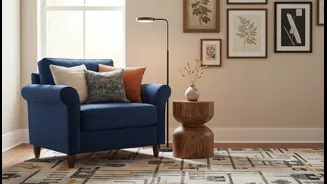
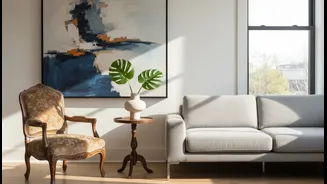
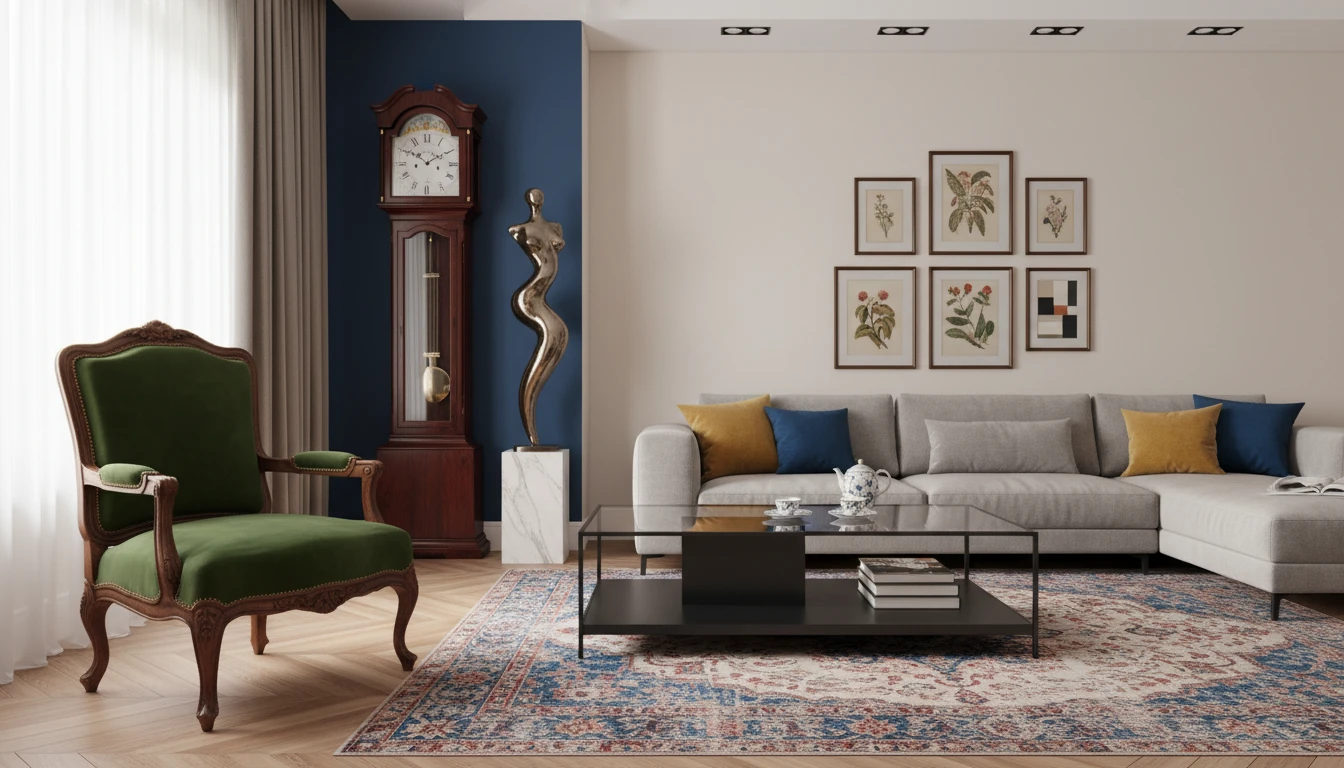
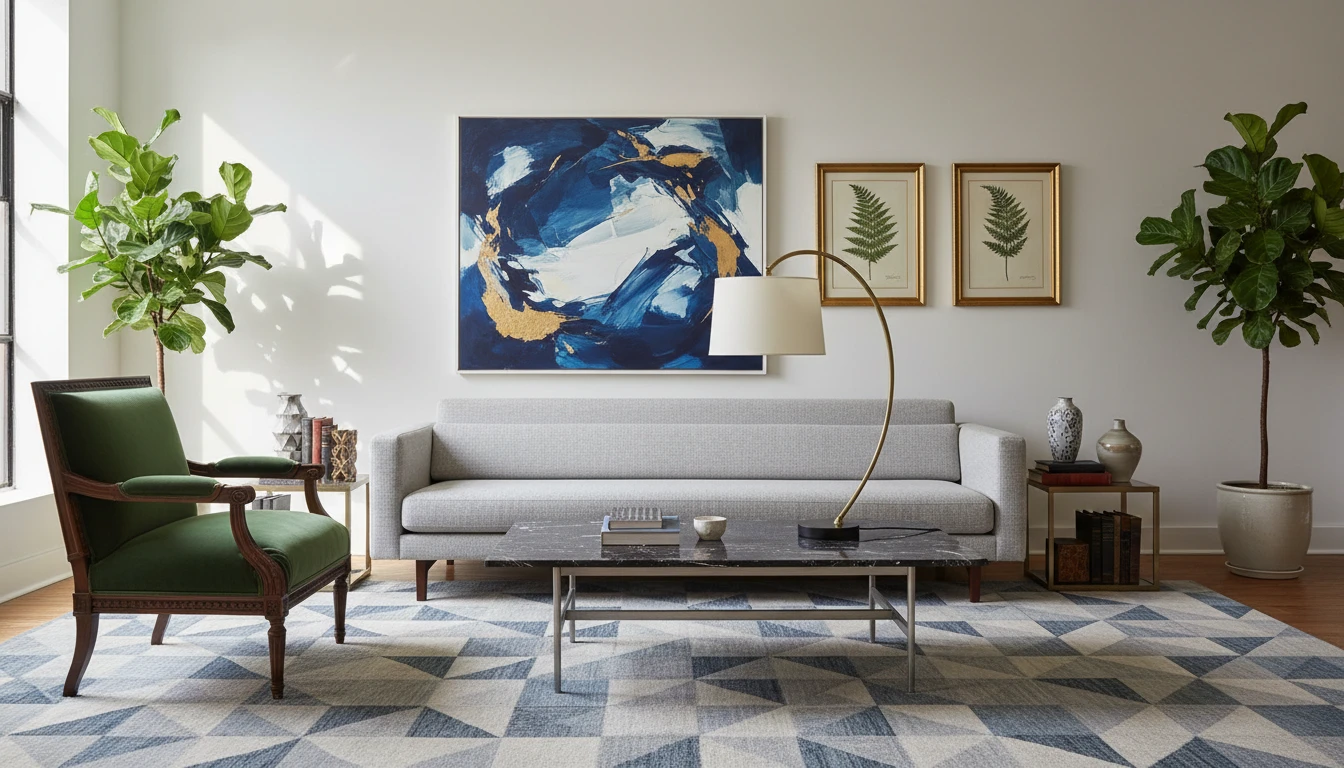
Gone are the days of perfectly matched furniture sets. Today’s most inviting and personal spaces tell a story, layering pieces from different decades to create a home with soul and character. An antique armchair beside a sleek modern sofa or a mid-century
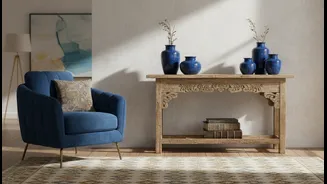
sideboard topped with contemporary art creates a dynamic visual conversation. This approach prevents a room from feeling flat or like a showroom catalogue. It reflects your unique taste and journey. But a successful mix requires a thoughtful strategy to avoid descending into chaos. The goal is a curated collection, not a cluttered second-hand shop.
Proportion: The First Golden Rule
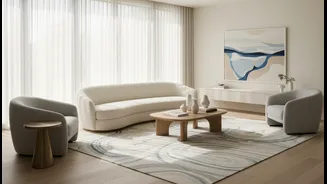
Proportion in design refers to how well pieces fit together, while the closely related concept of scale is about how they relate to the size of the room itself. For a harmonious blend of eras, both are crucial. A delicate Victorian side table will be visually swallowed by an oversized, contemporary sectional sofa. Conversely, a tiny modern accessory can look lost on a grand, traditional mantelpiece. The key is to ensure that objects have a similar visual weight and can stand up to each other. When you place a large statement piece, such as a rustic farmhouse dining table, surround it with chairs that are complementary in scale, even if they are from a completely different design period.
Practicality: Your Functional North Star
A beautiful room is only successful if it works for your life. This is where practicality comes in. That stunning but wobbly antique chair is useless if no one can sit in it. When mixing old and new, every piece should serve a purpose, even if that purpose is purely aesthetic. Think about function first. Your living room needs comfortable seating, your dining area requires a sturdy table, and your bedroom demands good storage. Start with these functional, often modern, base pieces and then layer in vintage items as accents and statements. This ensures your home remains liveable, not a museum.
Find a Common Thread
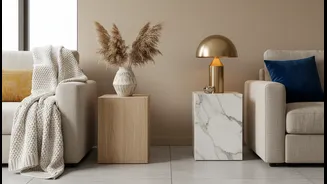
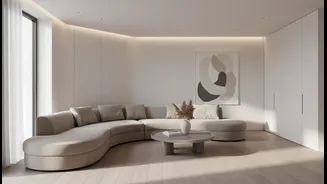
To unify pieces from different styles and time periods, you need a common thread. This acts as a visual bridge, making the mix feel intentional. A shared colour palette is one of the easiest ways to achieve this. Neutral tones like greys, whites, and beiges create a perfect backdrop that allows the different shapes and textures to shine without competing. You can also connect items through material—repeating a specific wood tone, a metallic finish like brass, or a type of fabric across both old and new pieces creates a subtle but powerful sense of cohesion.
Follow the 80/20 Guideline
For those new to mixing eras, the 80/20 rule is a foolproof starting point. Dedicate 80% of your space to one dominant style, which will act as your foundation. This could be modern, traditional, or mid-century. Then, use the remaining 20% to introduce accent pieces from a contrasting era. For example, in a largely contemporary living room, the 20% could be a vintage Persian rug, an ornate antique mirror, and a classic floor lamp. This controlled approach adds character and depth without overwhelming the space, ensuring a balanced and sophisticated result.
Let One Piece Be the Hero
Every well-designed room has a focal point. When mixing styles, choose one standout piece to be the star and build the rest of the room around it. This could be an heirloom cabinet passed down through your family, a sculptural mid-century armchair you found at a market, or a bold piece of contemporary art. Let this hero piece set the tone. All other furniture and decor, whether old or new, should play a supporting role. This creates a clear hierarchy and prevents the room from feeling like a collection of competing objects, giving your design a clear and confident voice.