
From Waste to Wow: The Appeal of the Peel
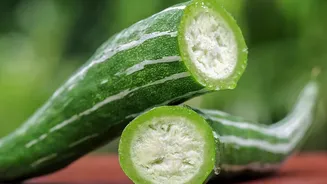
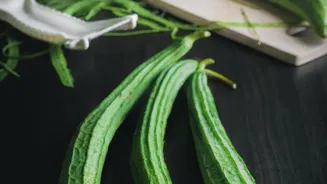
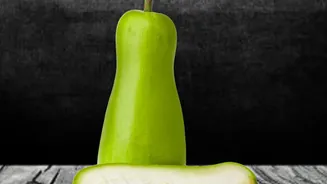
In many Indian households, the concept of 'waste not, want not' is a way of life. Using vegetable peels is a cornerstone of this philosophy, and the humble lauki, or bottle gourd, is a prime candidate. While the pale green flesh is prized for its cooling
properties and subtle flavour, the peel is often discarded. However, this peel is packed with nutrients, including a significant amount of dietary fibre, which is great for digestive health. It also contains vitamins and antioxidants. Beyond the health benefits, the peel offers a surprisingly firm texture that, when cooked correctly, becomes tender yet holds its shape, making it an excellent base for patties and kebabs.
Gathering Your Familiar Spices and Ingredients
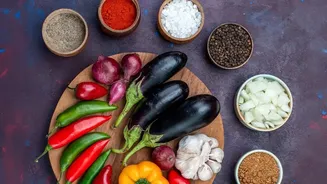
The beauty of this recipe lies in its simplicity and reliance on a well-stocked Indian spice box. You won’t need to hunt for exotic ingredients. For a batch of kebabs, you will need about two cups of bottle gourd peels, thoroughly washed and finely chopped or grated. For binding, about a cup of gram flour (besan) is essential. Some recipes also suggest using soaked chana dal (split chickpeas) or boiled potatoes to create a texture similar to traditional shami kebabs. The flavour core comes from finely chopped onion, green chillies, ginger-garlic paste, and fresh coriander. Your familiar spice arsenal should include turmeric powder, red chilli powder, cumin powder, coriander powder, and a good garam masala for that warm, aromatic finish. A pinch of chaat masala or amchur (dry mango powder) can add a tangy kick.
A Step-by-Step Guide to Kebab Perfection
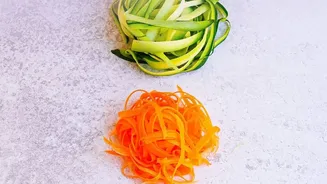
First, prepare the peels. After washing them well, it's best to lightly boil or steam them until they are just tender. This step is crucial for ensuring the kebabs aren't tough or chewy. Once softened, drain them completely and squeeze out any excess water to prevent the kebab mixture from becoming too moist. In a large bowl, combine the prepared peels with your binding agent—be it besan, mashed potato, or ground chana dal. Add the chopped onions, chillies, coriander, and ginger-garlic paste. Next, add all your dry spice powders: turmeric, chilli, cumin, coriander, and garam masala, along with salt to taste. Mix everything thoroughly with your hands until it forms a cohesive, dough-like mixture. If it feels too wet, add a little more besan. Let the mixture rest for about 10-15 minutes for the flavours to meld.
Shaping and Cooking Your Kebabs
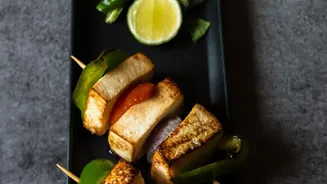
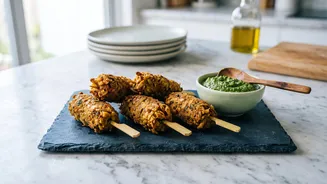
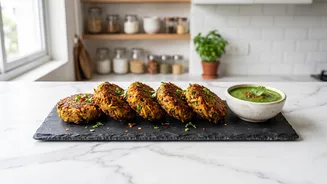
Lightly oil your palms and take small portions of the mixture, rolling them into balls and then flattening them into classic tikki or kebab shapes. You have a few options for cooking. The most common method is shallow frying. Heat a few tablespoons of oil in a non-stick pan or tawa over medium heat. Carefully place the kebabs on the pan, ensuring not to overcrowd it. Fry them for a few minutes on each side until they are golden brown and crisp. Patience is key; cooking on a medium-low flame ensures the inside gets cooked through while the outside develops a beautiful crust. For a healthier alternative, you can pan-sear them with minimal oil or even cook them in an air fryer until golden and crisp.
A Note on Safety and Serving
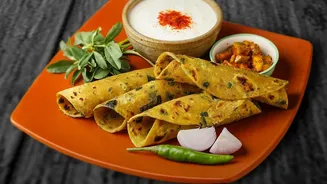
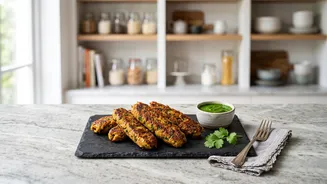
While bottle gourd is overwhelmingly safe, it's vital to check for bitterness. If any part of the gourd or its peel tastes bitter, it should be discarded immediately as it can be toxic. Always use fresh, non-bitter gourds. Once your kebabs are cooked, serve them hot. They pair wonderfully with a simple mint-coriander chutney, a dollop of yoghurt, or a tangy tamarind sauce. Accompanied by thinly sliced onions and a wedge of lemon, these bottle gourd peel kebabs make for a perfect appetiser, a satisfying evening snack with tea, or even a creative filling for a wrap.