

The Power Players Inside Your Greens
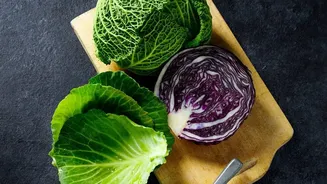
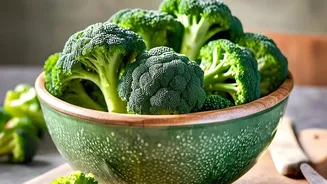
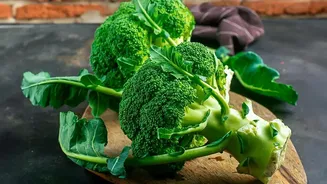
Broccoli, cabbage, and kale belong to the cruciferous family, renowned for being nutritional powerhouses. Their health benefits come from a range of compounds, but two groups are particularly important: water-soluble vitamins and glucosinolates. Vitamin
C, a potent antioxidant essential for immune function, is a key water-soluble vitamin found in these vegetables. Glucosinolates are sulphur-containing compounds that give these vegetables their distinct sharp flavour. They aren't active on their own; when you chop or chew the vegetables, an enzyme called myrosinase converts them into other compounds, most notably sulforaphane. Sulforaphane is the subject of intense research for its potential health-promoting properties. The goal of any cooking method should be to protect these valuable assets.
The Enemies of Nutrition: Heat and Water
When you cook vegetables, you expose them to two main elements that can degrade their nutrients: heat and water. High temperatures can destroy heat-sensitive vitamins like Vitamin C. But the bigger culprit for cruciferous vegetables is often water. Many of their most important compounds, including Vitamin C and the glucosinolates, are water-soluble. When you boil vegetables, these nutrients leach out of the plant cells and into the surrounding water. If you discard that water, you're pouring away a significant portion of the vegetable's goodness. Studies have shown that boiling can result in the loss of over 50% of the glucosinolates in broccoli and cabbage.
How Steaming Works Its Gentle Magic
Steaming stands apart because it cooks the vegetables without submerging them in water. By using the hot vapour from simmering water, the food is heated gently and indirectly. This simple difference has profound effects. Since the vegetables aren't in direct contact with a large volume of water, the water-soluble vitamins and precious glucosinolates have nowhere to go. They remain locked inside the vegetable, ready for you to eat. Multiple scientific studies have confirmed that steaming is one of the best cooking methods for nutrient preservation. One Chinese study found that steaming was the only method tested—compared to boiling, microwaving, and stir-frying—that caused no significant loss of Vitamin C in broccoli.
Steaming vs. Other Methods: The Evidence
When put to the test, steaming consistently outperforms other common cooking methods for these specific greens. While boiling is the most destructive, stir-frying and roasting also have drawbacks. The high heat of frying can cause significant losses; one study noted an 84% loss of glucosinolates in fried broccoli. Microwaving can be a good option as it uses little water and short cooking times, but steaming is often more reliable for preserving the unique compounds in cruciferous vegetables. Research from 2008 famously found that steaming actually increased the measurable amount of glucosinolates in broccoli by 30% compared to its raw state, whereas boiling caused a 59% loss. For cabbage, studies show steaming can retain up to 97% of its glucosinolates. Though high heat from steaming deactivates the myrosinase enzyme, it crucially preserves the raw materials that your own gut bacteria can use to produce some sulforaphane.
Perfect Your Steaming Technique
Getting the most from your vegetables doesn't require any fancy equipment—a simple steamer basket in a pot will do. The key is to not overcook them. You're aiming for a vibrant colour and a texture that is tender-crisp, not mushy. For broccoli florets, this usually takes about 5 to 7 minutes. Chopped kale needs even less time, often just 3 to 5 minutes. Cabbage, depending on how finely it's shredded, can be ready in 5 to 8 minutes. Overcooking not only ruins the texture but will also lead to further nutrient degradation. Once cooked, you can toss the steamed vegetables with a drizzle of olive oil, a squeeze of lemon, or your favourite seasonings to enhance their flavour without sacrificing their nutritional integrity.