


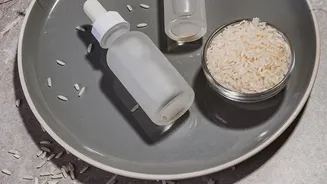

An Ancient Practice Goes Viral
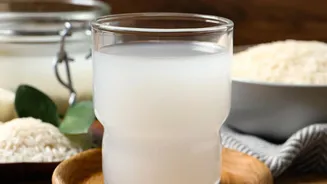
Fermented rice water is exactly what it sounds like: the liquid left over after rice has been soaked and allowed to ferment for one to two days. This isn't a new invention. For centuries, cultures across Asia, including in India, Japan, and China, have
consumed variations of this drink, known by names like 'Kanji' or 'Neeragaram'. Traditionally, it was a practical way to use leftover rice and was consumed by farmers for energy and hydration. The fermentation process was believed to unlock nutrients and create a beneficial beverage. Today, wellness creators have repackaged this tradition, claiming it's a cost-effective secret to a balanced microbiome.
The Probiotic Promise: What’s the Claim?
The central claim behind the trend is that fermented rice water is a potent source of natural probiotics. Proponents suggest that the fermentation process encourages the growth of beneficial bacteria, particularly Lactobacillus strains. These are the 'good' bacteria believed to support a healthy gut, improve digestion, reduce bloating, and even boost immunity. Some influencers also claim it helps repair the gut lining and reduces inflammation, positioning it as a powerful, all-natural alternative to expensive probiotic supplements.
The Science: Hype vs. Reality
Here’s where things get complicated. The fermentation of rice does indeed produce beneficial compounds. Scientific studies confirm that fermenting cooked rice can cultivate various strains of lactic acid bacteria, which are known probiotics. One 2024 study identified eight different probiotic bacteria that grow during simple overnight fermentation of rice. The process also creates postbiotics—beneficial byproducts like enzymes and organic acids—and can make minerals like iron and potassium more bioavailable by breaking down anti-nutrients. However, the published research on the direct benefits of drinking fermented rice water in humans is still limited. A study on patients with Irritable Bowel Syndrome (IBS) found that a drink containing fermented rice improved symptoms like abdominal bloating more than a non-fermented version. But most of the bold claims seen online are not yet backed by large-scale human trials.
Are There Any Risks Involved?
While fermented rice water has a long history of use, preparing it at home comes with risks. The main concern is contamination. If the container, water, or rice is not clean, or if the fermentation is left for too long, harmful bacteria, yeast, or mold can grow alongside the beneficial microbes. This can lead to food poisoning and digestive distress—the very issues you might be trying to solve. Nutritionists advise caution, recommending starting with a very small amount to see how your body reacts. Additionally, those with certain digestive issues or uncontrolled diabetes should consult a doctor before making it a regular part of their diet.
The Expert Verdict: Should You Drink It?
Most dietitians and health experts view the fermented rice water trend with cautious optimism. They acknowledge its traditional roots and the scientific potential of fermented foods in general. Nutritionist Sakshi Lalwani notes that fermented rice water can help reduce gut inflammation and improve digestion. However, experts also emphasize that it is not a miracle cure for chronic gut conditions. The consensus is that while it can be a gentle and inexpensive way to introduce some probiotics into your diet, it shouldn't replace proven strategies for gut health, such as eating a diverse, fiber-rich diet and consuming well-established fermented foods like yogurt and kimchi. If you choose to try it, ensuring it is prepared safely is paramount.