


The Wisdom of the Indian Kitchen
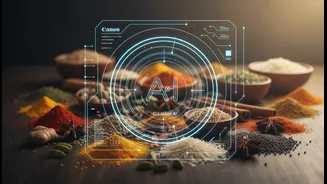
Traditional Indian cooking is a science in itself, built on the principle of synergy. It’s not just about individual ingredients, but how they work together. For instance, the curcumin in turmeric is notoriously hard for the body to absorb, but combining
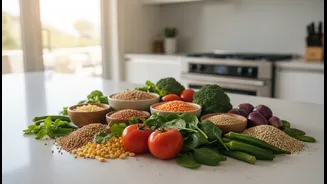
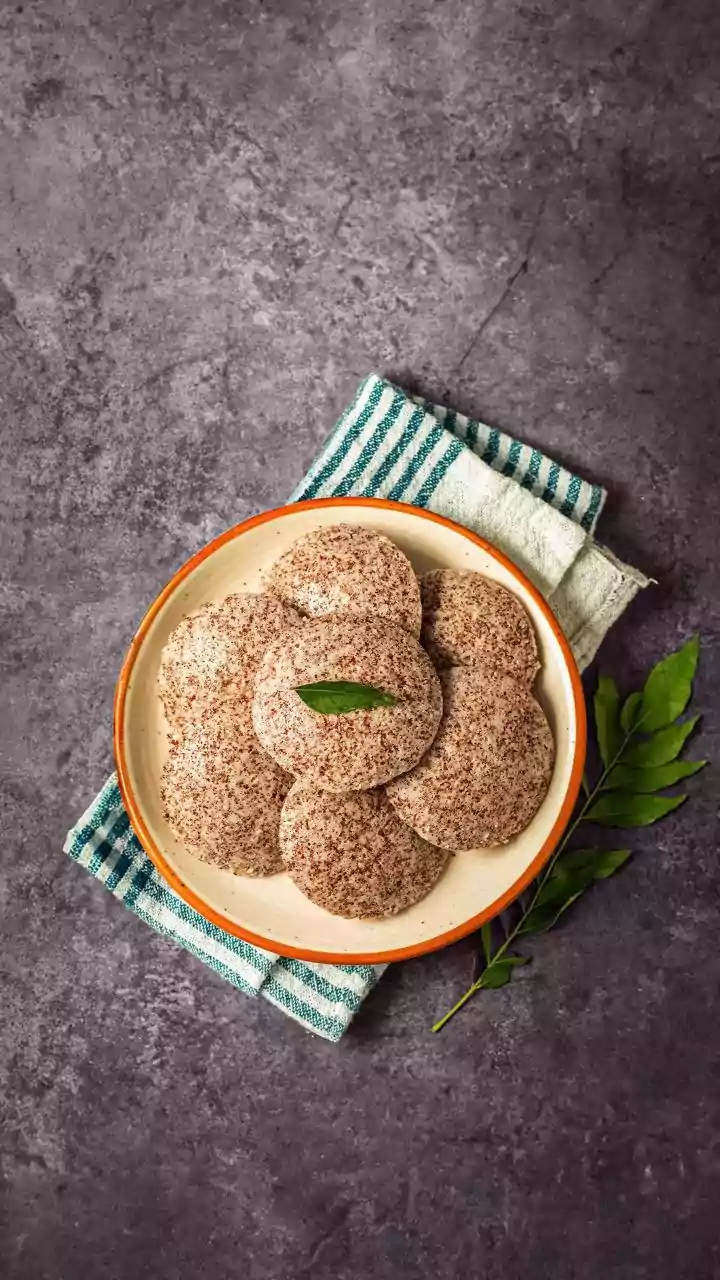
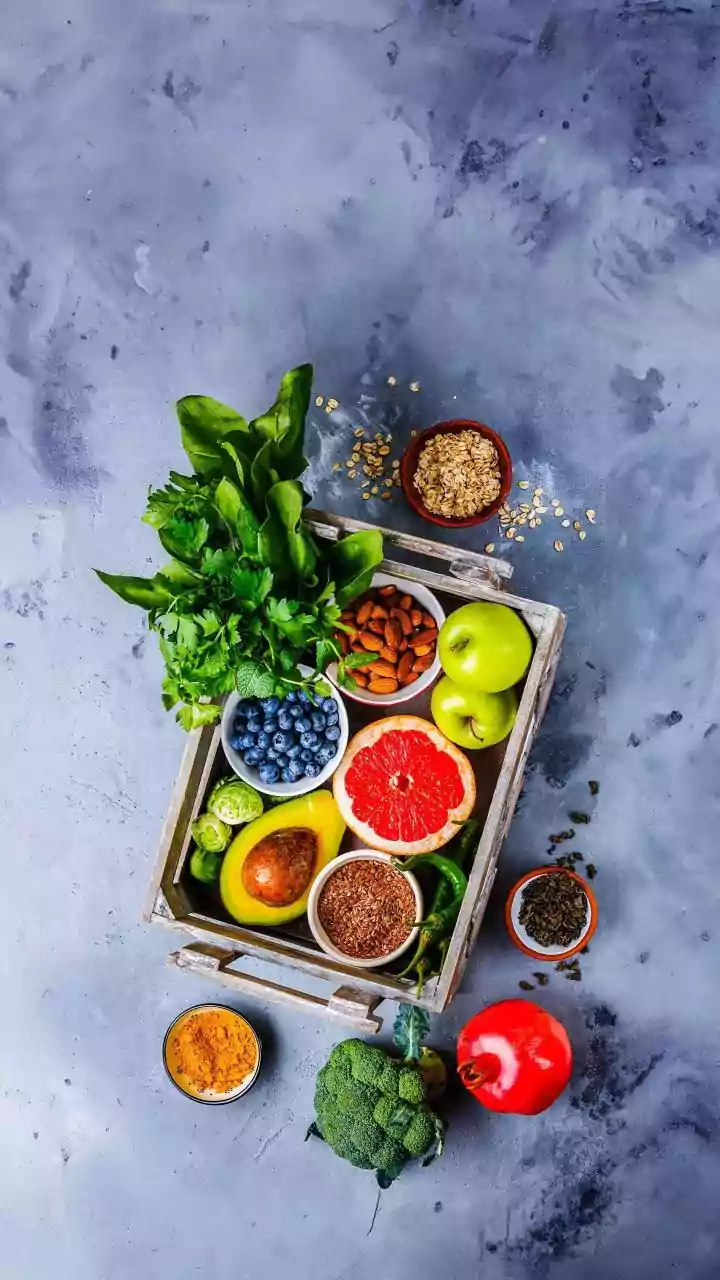
it with black pepper (which contains piperine) and a healthy fat like ghee can increase its bioavailability by up to 2,000%. Similarly, squeezing lemon (a source of Vitamin C) over a spinach dish enhances the absorption of iron. These are not just age-old habits; they are sophisticated nutritional strategies. Home-cooked meals made from fresh, whole ingredients are packed with vitamins, minerals, and fibre that are often lost when foods are processed. Cooking methods like soaking legumes and fermenting batters for dishes like idli and dosa reduce anti-nutrients and improve digestibility, making them far healthier than their instant, packaged counterparts.
What Packaged Food Labels Don't Tell You
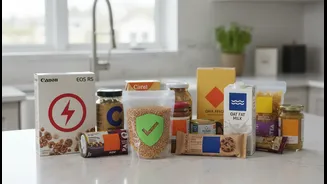
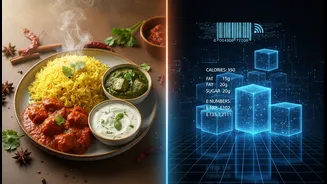
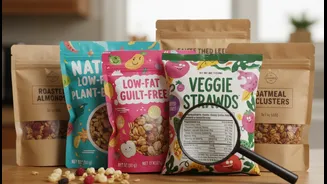
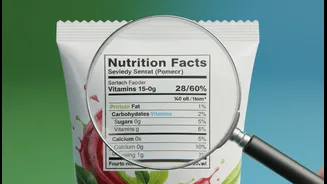
While the Food Safety and Standards Authority of India (FSSAI) mandates that packaged foods display nutritional information, these labels provide an incomplete and sometimes misleading picture. A recent FSSAI crackdown revealed numerous brands making unsubstantiated claims like "100% natural" or "fresh" on products containing preservatives and artificial additives. A study found that over half of nutrient or health claims on Indian packaged foods were non-compliant, potentially deceiving consumers. A label might highlight that a snack is "baked, not fried," but fail to mention its high sodium content. These labels list macronutrients like fat, sugar, and protein, but they don't account for the loss of antioxidants during processing, the presence of artificial preservatives, or the absence of the natural fibre found in whole foods. The context of how an ingredient is grown, processed, and prepared is lost, leaving only a string of numbers that can't capture the food's true value.
The Calorie-Counting App Conundrum
For the growing number of Indians using health-tech apps to track their diet, the problem is magnified. Most of these apps use databases built primarily for Western foods and standardised recipes. When you log 'dal tadka', the app shows a generic calorie count that doesn't know if yours was made with one teaspoon of oil or three tablespoons—a difference that could be over 200 calories. A study by the National Institute of Nutrition found that popular health apps provided wildly different and confusing calorie suggestions for the same user because their databases are not designed for the Indian diet. They often misidentify regional dishes, logging 'roti' as a 'tortilla' or 'dal' as a generic 'lentil soup', failing to account for the crucial 'tadka' of ghee and spices that defines the dish's nutritional profile. This results in inaccurate tracking and can lead users to believe their home-cooked meal is less nutritious than it is, or that a packaged option is a healthier choice.
Making Smarter, Context-Aware Choices
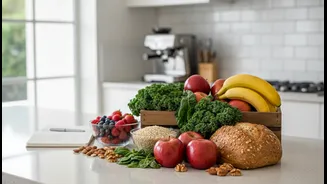
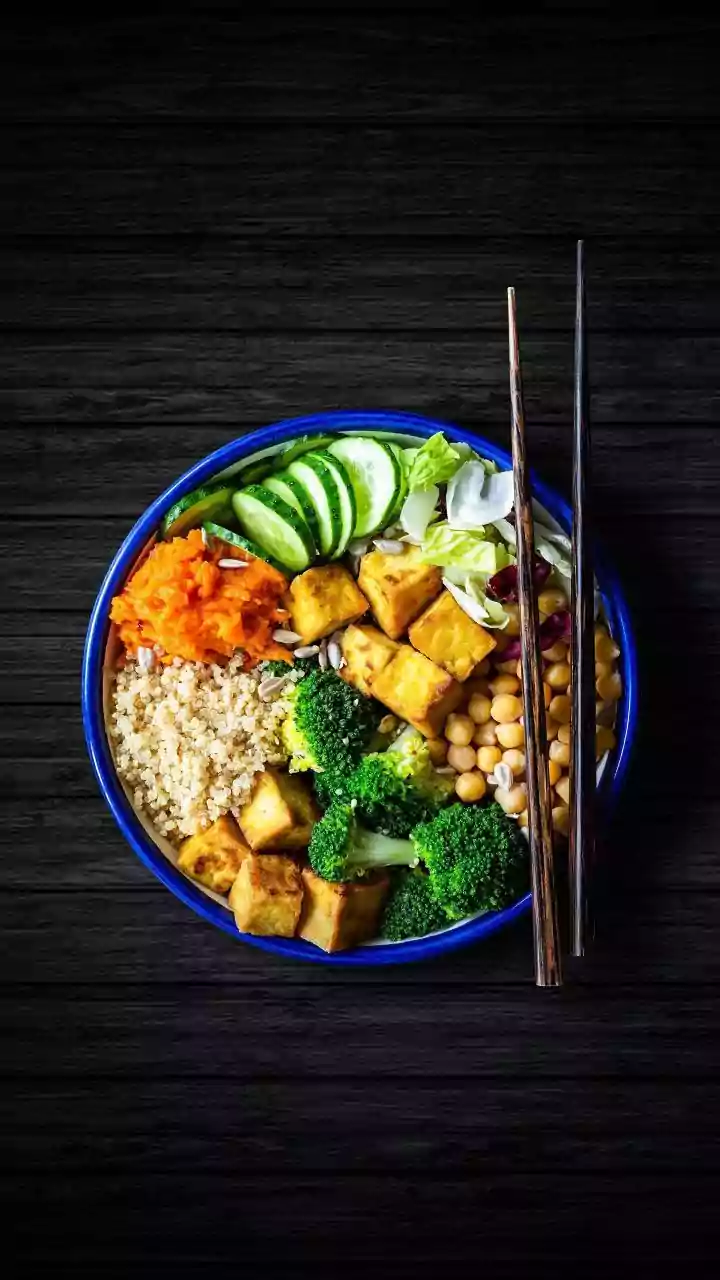
The solution isn't to abandon technology or convenience foods entirely, but to use them with a critical eye. Prioritise home-cooked meals, where you control the ingredients, cooking methods, and portion sizes. When buying packaged foods, look beyond the marketing claims on the front of the box. Read the ingredient list first; if it's long and full of names you can't pronounce, it's likely a highly processed product. Be skeptical of health claims like "low-fat" or "high-fibre" on snacks that may still be high in sugar or sodium. Use calorie-tracking apps as a general guide rather than an absolute truth. Understand their limitations and, where possible, use apps specifically designed with Indian food databases that account for regional variations and cooking methods. Ultimately, trust the balanced, time-tested wisdom of the Indian thali, which naturally combines grains, proteins, vegetables, and fats in a single meal.