






The Humidity Paradox: Why More Moisture Isn't Always Better
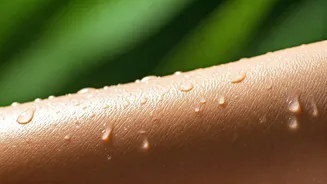
The sticky, humid air of the monsoon season might seem like a natural hydrator for your skin, but it often has the opposite effect. High humidity can signal your skin to produce even more oil (sebum), leading to a greasy feeling. [9, 23] This excess oil,
combined with sweat and environmental pollutants, creates a perfect recipe for clogged pores and acne breakouts. [6, 17] Furthermore, the constant dampness can weaken the skin's natural barrier, making it more susceptible to irritation and infections. [11, 15] The air is saturated with water, which can lead to your skin absorbing too much moisture, paradoxically causing a disruption that leads to issues like eczema flare-ups and other inflammatory responses. [7, 11]
Common Monsoon Skin Concerns
The unique climate of the rainy season is a breeding ground for several specific skin problems in India. [15] Fungal infections like ringworm and athlete's foot thrive in warm, damp conditions and are incredibly common. [19, 20] Acne and pimples often become more frequent and aggressive due to increased oil production and clogged pores. [16, 18] Many people also experience flare-ups of chronic conditions like eczema and dermatitis, as the humidity and allergens can be highly irritating to sensitive skin. [15, 16] Lastly, bacterial infections, such as folliculitis (inflamed hair follicles) and boils, can also increase due to excess sweat and moisture being trapped on the skin. [18]
Adjust Your Cleansing Routine
During the monsoon, it's crucial to cleanse your face thoroughly, but gently. Aim to wash your face twice a day with a mild, pH-balanced, or soap-free cleanser to remove the daily accumulation of grime, sweat, and oil without stripping your skin of its natural moisture. [13, 23] For those with particularly oily skin or who wear makeup, a double cleanse in the evening—starting with an oil-based cleanser followed by a water-based one—can be highly effective at clearing out pores. [26] Look for cleansers with ingredients like salicylic acid if you're prone to acne, as it helps keep pores clear. [7, 27]
Exfoliate, But Gently
Exfoliation is essential for removing dead skin cells and preventing pores from clogging, but it's important not to overdo it. [13] Harsh physical scrubs can cause micro-tears and damage your skin barrier, which is already vulnerable during the monsoon. [4, 13] Instead, opt for a gentle chemical exfoliant containing Alpha Hydroxy Acids (AHAs) or Beta Hydroxy Acids (BHAs) once or twice a week. [5, 23] This will help keep your skin smooth and clear without causing unnecessary irritation. [4]
Embrace Lightweight Hydration
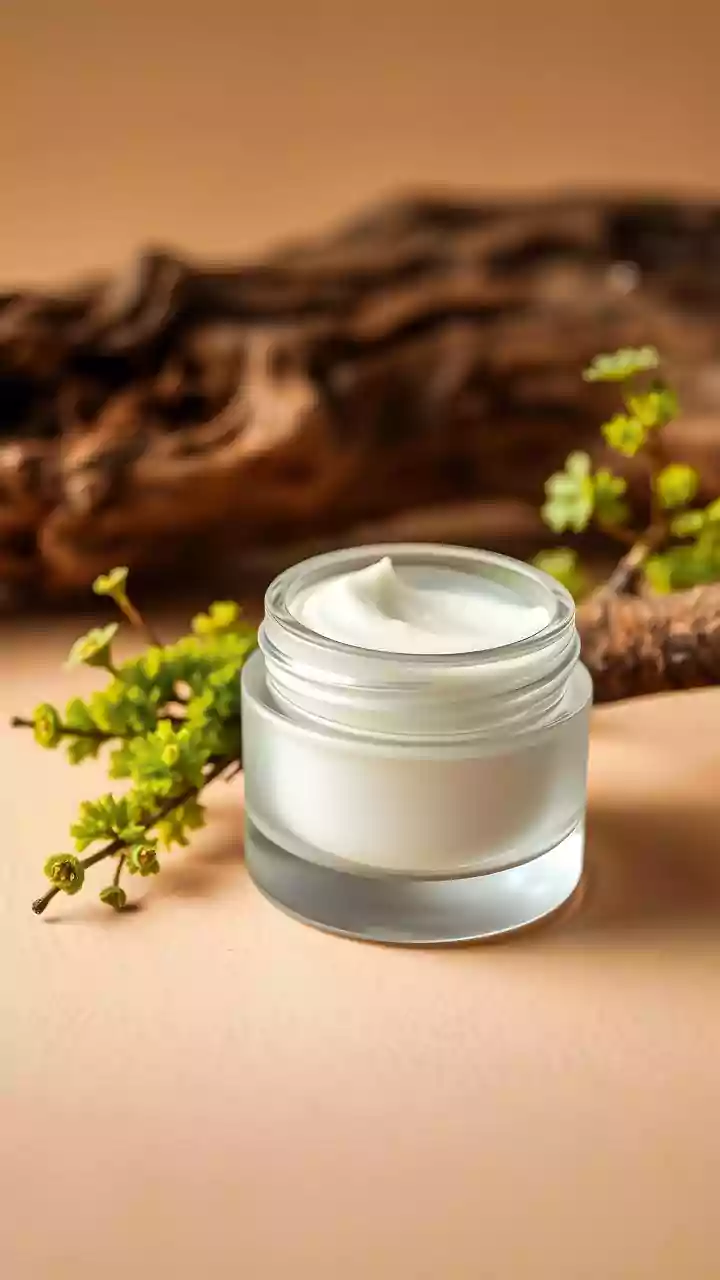
It might feel counterintuitive to moisturise when your skin already feels sticky, but skipping this step is a mistake. Even oily skin needs hydration. [26] The key is to switch from heavy creams to lightweight, non-comedogenic (pore-clogging), and gel-based formulas. [8, 22] Ingredients like hyaluronic acid and glycerin are excellent choices as they attract and lock in moisture without feeling greasy. [13, 26] Using a lightweight moisturiser helps maintain your skin's barrier function and prevents it from becoming dehydrated, which can ironically trigger even more oil production. [27]
Never Skip Sunscreen
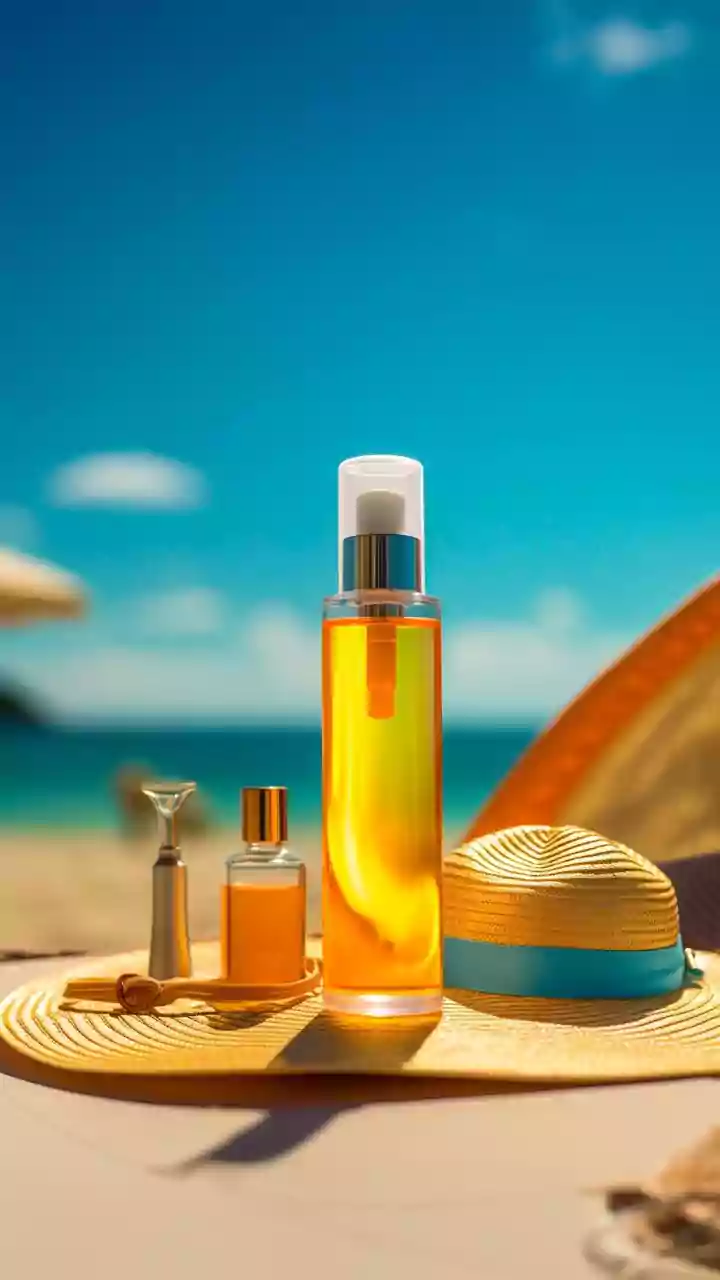
One of the biggest monsoon skincare myths is that you don't need sunscreen on cloudy or rainy days. This is incorrect. Harmful UVA and UVB rays can easily penetrate cloud cover, causing sun damage, premature ageing, and pigmentation. [5, 17] Make it a non-negotiable habit to apply a broad-spectrum sunscreen with at least SPF 30 every single morning. [12, 17] For humid weather, look for a lightweight, gel-based, or water-resistant formula that won't feel heavy or slide off with sweat. [3, 22]
Take Steps to Prevent Fungal Infections
Prevention is key when it comes to fungal infections. The damp, humid environment is an ideal breeding ground for fungi, particularly in skin folds. [13, 19] Always dry yourself thoroughly after bathing or if you get caught in the rain, paying special attention to areas like your underarms, groin, and between your toes. [16, 21] Wearing loose, breathable cotton clothing can help reduce sweating and moisture buildup. [4, 21] If you are prone to fungal issues, using an antifungal powder in susceptible areas can help keep the skin dry and infection-free. [5, 13]