

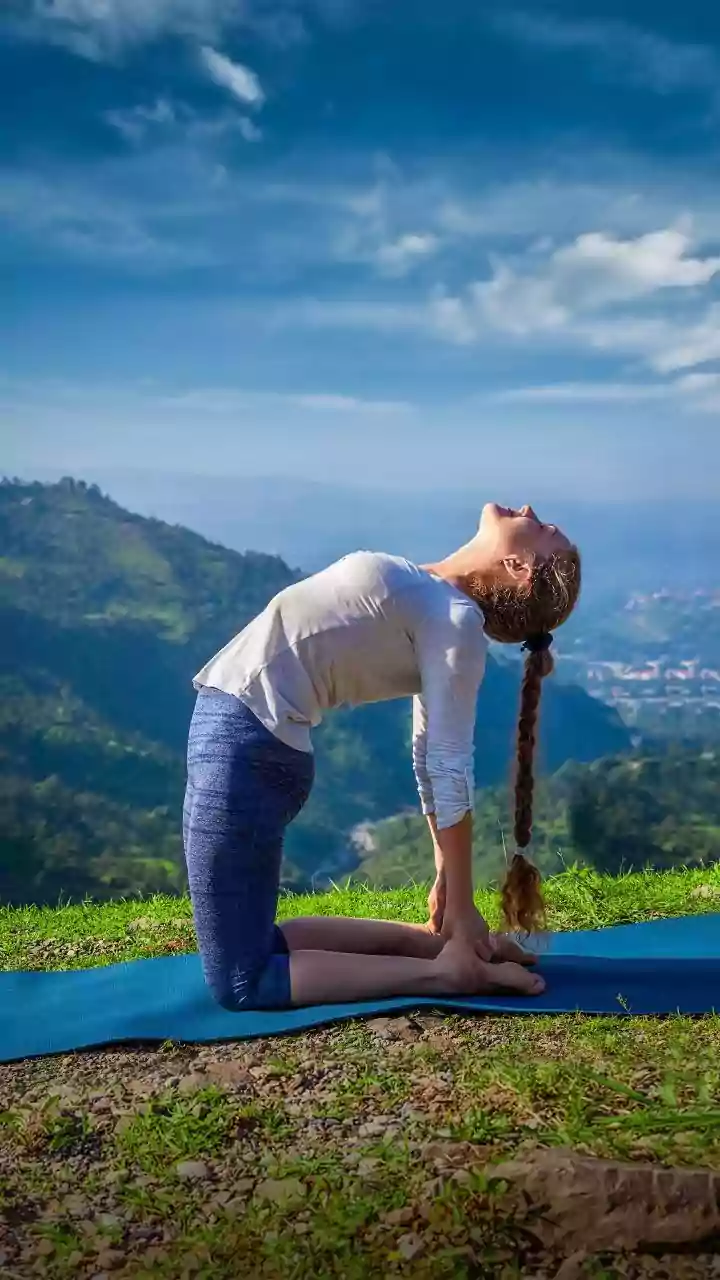






What is the Hidden Lotus Pose?
The Hidden Lotus Pose, known in Sanskrit as Gupta Padmasana or sometimes as Baddha Padmasana (Bound Lotus Pose), is an advanced yoga asana. The term 'Gupta' means 'hidden', referring to how the feet in the lotus position are concealed. The pose begins
in Padmasana (Lotus Pose), where each foot is placed on the opposite thigh. From there, the practitioner reaches their arms behind their back to grasp the opposite big toes, creating a 'bound' shape that deeply opens the chest and shoulders. This requires a harmonious blend of extreme flexibility in multiple joints, including the hips, knees, ankles, and shoulders. It's a posture that demands not just physical prowess but also immense focus and body awareness.
The Twin Pillars: Mobility and Balance
The two cornerstones of this pose are exceptional mobility and unwavering balance. Unlike simple flexibility, mobility refers to the ability to actively move a joint through its full range of motion. For Hidden Lotus, this means having deep external rotation in the hips to achieve the initial Lotus without straining the knees. The shoulders also need incredible mobility to extend and internally rotate, allowing the hands to bind the feet from behind. Balance is equally crucial. While it is a seated pose, maintaining an upright, elongated spine while holding the bind requires significant core strength and stability. This internal stability prevents the practitioner from collapsing forward and ensures the chest remains open, which is a key component of the asana.
Beyond the Pose: Physical and Mental Benefits
Successfully and safely practicing Baddha Padmasana offers a wealth of benefits. Physically, it provides a deep stretch to the shoulders, chest, back, elbows, hips, and ankles, enhancing joint flexibility and range of motion. This chest-opening action can help counteract the rounded shoulders that often result from prolonged sitting. The pose is also believed to stimulate abdominal organs, aiding digestion and improving blood flow to the pelvic region. Mentally, the intense focus required helps calm the nervous system, reduce stress, and promote a sense of inner peace, making it an excellent preparatory pose for deep meditation.
Building a Safe Foundation: Preparatory Poses
Attempting the Hidden Lotus Pose without adequate preparation can lead to serious injury, particularly in the knees, hips, and shoulders. The journey towards this asana is a gradual one, built upon a foundation of more accessible poses. Key preparatory postures focus on opening the hips and increasing shoulder flexibility. These include: Baddha Konasana (Bound Angle/Butterfly Pose) to open the inner thighs and hips, Ardha Padmasana (Half Lotus Pose) to safely introduce the leg position one side at a time, and Gomukhasana (Cow Face Pose) arms to develop the necessary shoulder mobility for the bind. Consistently practicing these foundational poses builds the necessary strength and flexibility over time.
Know Your Limits: Safety and Contraindications
This is an advanced pose and should be approached with caution and respect for your body's limits. It is strongly advised to avoid this asana if you have any existing or recent injuries in the knees, ankles, hips, or shoulders. People with tight joints, sacroiliac issues, sciatica, or high blood pressure should also refrain from attempting it. The golden rule in yoga is to never force a posture. If you feel any sharp pain, especially in your joints, it is a clear signal to release the pose immediately. It is always best to practice under the guidance of a qualified yoga instructor who can provide modifications and ensure your alignment is safe.