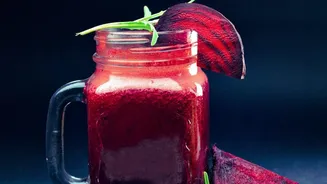



What is This Ruby-Red Drink?
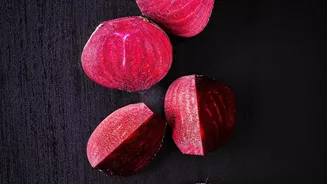
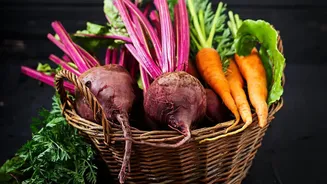
Kanji is a traditional fermented beverage, known for its distinctively sharp, sour, and spicy flavour profile. At its heart, it is a simple concoction made by fermenting black carrots (kali gajar) or beetroot in water with salt and coarsely ground mustard
seeds. This mixture is typically left in a glass or clay jar under the sun for several days. The sunlight facilitates a natural fermentation process, which creates the drink's signature tangy taste and develops beneficial live microorganisms. Traditionally prepared in North Indian states like Punjab, Rajasthan, and Uttar Pradesh, it has long been a seasonal favourite, especially during the transition from winter to spring and the festival of Holi.
A Gut-Friendly Powerhouse
Long before kombucha became a global phenomenon, Kanji was India’s own homegrown probiotic drink. The fermentation process gives rise to beneficial bacteria, particularly of the Lactobacillus species, which are known to support a healthy gut microbiome. A healthy gut is crucial for overall wellness, aiding in everything from digestion and nutrient absorption to strengthening the body's immune response. Rich in probiotics, Kanji helps balance good and bad bacteria, which can reduce common digestive issues like bloating and acidity. The primary ingredients, black carrots and beetroot, are also packed with antioxidants, vitamins, and minerals, making the drink a low-calorie, nutrient-dense beverage.
Why the Sudden Comeback?
Kanji's resurgence is not a coincidence but a reflection of a broader shift in consumer preferences across urban India. There's a growing movement away from sugary, processed beverages towards natural, functional, and healthier alternatives. The general awareness around gut health and its link to overall immunity has skyrocketed, especially in recent years. Consumers are actively seeking out probiotic and fermented foods, and Kanji fits this demand perfectly. Social media has also played a significant role, with food influencers and home chefs rediscovering and sharing traditional recipes, bringing this once-forgotten drink back into the spotlight. This “back-to-roots” trend celebrates heritage ingredients and traditional wisdom, positioning Kanji as an authentic, sustainable wellness choice.
From Kitchens to Cafe Menus
While Kanji has traditionally been a homemade preparation, its newfound popularity has seen it travel from family kitchens to the commercial market. Artisanal food brands and health-focused cafes in metropolitan cities are now bottling and serving their own versions of the drink. This shift makes Kanji accessible to a new generation of consumers who may not have the time or knowledge to prepare it at home. It’s being marketed as a desi alternative to other fermented drinks, tapping into a market that values both tradition and health. This trend is part of a larger boom in India's probiotic market, which has seen significant growth as urban consumers increasingly incorporate functional foods and beverages into their daily diets.