

What's Driving the Change?
For years, the Indian breakfast table was a predictable affair, often dictated by region: parathas in the north, idlis in the south. While these classics remain beloved, a new curiosity is taking hold. Several factors are driving this shift. An increased
focus on health has led many to appreciate the nutritional benefits of traditional grains and cooking methods like steaming. Social media food bloggers and travel shows have also played a huge role, visually showcasing the incredible variety of hyperlocal dishes and inspiring people to try them. This has sparked a rediscovery of culinary roots, with many finding comfort and novelty in the foods of their own country. The result is a breakfast renaissance, where ancient recipes are becoming modern-day trends.
Poha: The Western Wonder
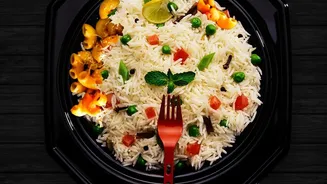
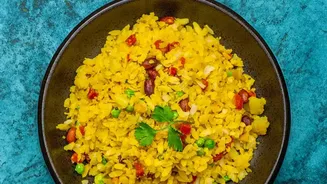
Hailing primarily from Maharashtra, poha is a deceptively simple dish of flattened rice. It's light, easy to digest, and incredibly versatile. The most common preparation, Kanda Poha, involves tempering flattened rice with mustard seeds, turmeric, green chillies, and onions, then garnishing with peanuts and fresh coriander. Its popularity has spread to states like Madhya Pradesh, where Indori poha—often served with jeeravan masala and a side of sweet jalebi—has become a famous street food combination. Poha is gaining new fans because it is a quick, nutritious, and gluten-free option that can be prepared in minutes, making it perfect for busy mornings.
Puttu: The Southern Steamed Staple
From the southern states of Kerala and Tamil Nadu comes Puttu, a unique breakfast made of steamed cylinders of ground rice flour layered with fresh coconut. Traditionally prepared in a special cylindrical steamer called a 'puttu kutti', this dish provides a steady release of energy thanks to its complex carbohydrates. It's often made with nutrient-rich red rice flour, which is high in fiber and antioxidants. Puttu is typically served with kadala curry (black chickpea curry), bananas, or a sprinkle of jaggery. Its appeal lies in its wholesome, steamed preparation, which uses minimal oil, making it a heart-friendly and naturally gluten-free option that is both filling and light.
Siddu: The Himalayan Heartwarmer
Venture into the mountains of Himachal Pradesh, and you'll find Siddu, a comforting steamed and fermented wheat flour bun. This hearty dish is a winter speciality, designed to provide warmth and sustained energy in the cold climate. The dough is fermented with yeast before being filled with a savory mixture that can include urad dal, walnuts, or poppy seeds, seasoned with local herbs. Siddu is traditionally served hot with a generous helping of desi ghee (clarified butter) and a side of mint chutney or dal. As interest in regional and mountain cuisines grows, this unique bread-dumpling hybrid is finding a new audience that appreciates its rustic charm and nourishing qualities.
Thekua: The Eastern Delight
Though often made as a festive sweet for Chhath Puja in Bihar and Jharkhand, Thekua is also a beloved breakfast and snack item. It's a deep-fried cookie or biscuit made from whole wheat flour, sweetened with jaggery, and flavored with aromatic spices like fennel and cardamom. The dough is traditionally pressed into ornate wooden molds (saancha) before being slow-fried to achieve a perfectly crisp, 'khasta' texture. Beyond its cultural significance, Thekua is cherished because it's a preservative-free snack that stores well for weeks, making it a perfect travel companion or a make-ahead treat for busy mornings. Its rustic flavour and crunchy texture offer a delightful alternative to mass-produced cookies.