







The New Travel Calendar
For years, Indian international travel followed a predictable rhythm: a massive surge in May and June, followed by another peak during the Diwali and Christmas holidays. But that pattern is changing. According to travel industry reports, the months of
September and October are emerging as a new, popular window for vacations. This isn't just a niche trend; it's a significant shift driven by a more evolved Indian traveller. Post-pandemic flexibility in work schedules, a greater desire for meaningful experiences, and a keen eye for value are encouraging people to travel during these so-called 'shoulder seasons'. A report from Booking.com indicated that nearly 45% of Indian travellers now prefer to visit destinations during off-peak periods. The period aligns perfectly with holidays like Dussehra and the run-up to Diwali, allowing for well-timed breaks without the frantic pace of peak season.
Europe’s Autumnal Allure
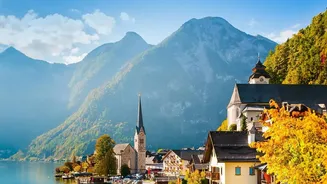
Europe in autumn has a distinct magic that is increasingly resonating with Indian tourists. Destinations like Italy, Switzerland, and France, traditionally summer hotspots, are now being appreciated for their pleasant autumn weather and thinner crowds. Imagine strolling through Rome's historic sites without the sweltering heat or enjoying the grape harvest season in Tuscany. Switzerland's landscapes, famous for their summer greenery, transform into a stunning patchwork of gold and red, offering breathtaking views with fewer tourists. This trend extends beyond the usual suspects, with growing interest in places like Spain, the UK, and even Eastern European countries like Georgia. The appeal is clear: you get to experience Europe's iconic landmarks and cultural richness in a more relaxed and comfortable setting, often with the added bonus of beautiful autumn foliage.
Asian Escapes Beckon
While Europe has its pull, Southeast Asia remains a powerhouse for Indian travellers, especially during the autumn months. As the monsoon recedes, countries like Vietnam, Bali (Indonesia), and Malaysia offer an ideal combination of pleasant weather, affordability, and accessibility. Vietnam, in particular, has seen a massive surge in popularity, with Indian arrivals jumping by nearly 60% in early 2026 compared to the previous year. Its appeal lies in a combination of scenic beauty, rich culture, and excellent value for money. Similarly, Bali's dry season extends into September, offering perfect beach conditions without the peak-season crowds. The relatively short flight times and visa-friendly policies of many Southeast Asian nations make them perfect for both planned long holidays and spontaneous short breaks.
The Shoulder Season Advantage
So, why is travelling in autumn such a smart move? The benefits go beyond just pleasant weather. The most significant advantage is value. Flights and hotel prices can be 20-40% lower compared to the peak summer months. This allows travellers to either save money or upgrade their experiences, perhaps staying in a better hotel or enjoying more activities. Secondly, you get to experience popular destinations without the overwhelming crowds. According to a Skyscanner report, around 37% of Indian travellers are now deliberately choosing shoulder seasons to avoid the tourist rush. This means shorter queues at major attractions, more space to enjoy the sights, and a more authentic connection with the local culture. Whether it's hiking in the Swiss Alps or exploring ancient temples in Bali, the experience is often richer and more personal when you are not jostling with thousands of other tourists.