



The Case for Going Flight-Free
Swapping domestic flights for trains and cars isn't just about reducing your carbon footprint; it's about transforming your trip. Slow travel allows you to witness the dramatic shifts in landscape, from urban centres to rural fields, that are invisible
from 30,000 feet. It encourages deeper cultural immersion, whether through conversations with fellow passengers on a train or a spontaneous stop at a roadside market. This approach reduces the stress of airport queues and frantic transfers, letting the journey itself become a cherished part of your holiday. By staying grounded, you support local economies more directly and connect with the rhythm of daily life.
Your Ground Transport Toolkit
India offers two excellent options for a no-fly itinerary: the vast Indian Railways network and a private car with a driver. Indian Railways is an experience in itself, with premium, air-conditioned trains like the Vande Bharat, Gatimaan, and Shatabdi Express connecting major cities swiftly and comfortably. These services offer reserved seating and onboard catering, making them a reliable and efficient choice. Alternatively, hiring a car with a driver provides ultimate flexibility. It allows for custom routes, unplanned detours, and door-to-door convenience, which is ideal for families or those wanting to explore sights between major cities at their own pace.
A Classic Winter Route: The Golden Triangle
For a first-time visitor, the Golden Triangle is the perfect no-fly winter circuit. This popular route connects Delhi, Agra, and Jaipur, each city sitting about 200-250 kilometres from the next, forming a triangle in Northern India. This proximity makes it easily manageable by road or rail. Winter, from October to March, offers pleasant daytime temperatures ideal for sightseeing, though mornings and evenings can be chilly and foggy, especially in December and January.
Stop 1: Delhi - A Tale of Two Cities
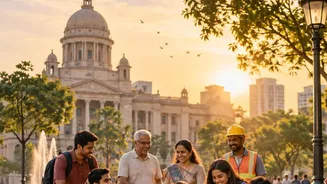
Your journey begins in the bustling capital. Dedicate at least two days to exploring Delhi's treasures. In Old Delhi, experience the energy of Chandni Chowk and visit the magnificent Jama Masjid. Contrast this with the sprawling avenues of New Delhi, home to landmarks like India Gate, Humayun's Tomb, and the Qutub Minar complex. From Delhi, your next stop, Agra, is just a short and comfortable train ride away. The Gatimaan Express, India's first semi-high-speed train, covers the distance in about 90-100 minutes.
Stop 2: Agra - The Home of the Taj
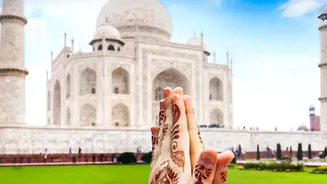
Arriving in Agra by a morning train like the Gatimaan or Shatabdi Express leaves you a full day for sightseeing. While the Taj Mahal is the undeniable star—best viewed at sunrise to avoid crowds and see it in the soft morning light—don't miss the formidable Agra Fort and the exquisite tomb of Itimad-ud-Daulah, often called the 'Baby Taj'. The journey from Agra to Jaipur is best done by road, as it allows for a rewarding stop at Fatehpur Sikri, the magnificent abandoned city of Emperor Akbar.
Stop 3: Jaipur - The Royal Pink City
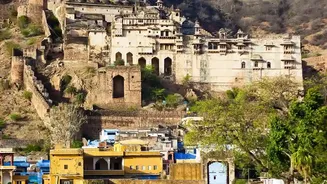
After a 4-5 hour drive, you'll arrive in Jaipur, the vibrant capital of Rajasthan. Known as the 'Pink City', Jaipur is a hub of Rajput architecture and history. The main attractions include the majestic Amer Fort, the City Palace complex with its museums, the astronomical observatory of Jantar Mantar, and the iconic Hawa Mahal (Palace of Winds). The city's bustling bazaars are perfect for finding traditional crafts and textiles. From Jaipur, a comfortable 4-5 hour train journey on a Vande Bharat or Shatabdi Express will return you to Delhi, completing the triangle.
Tips for Winter Ground Travel
Winter travel in North India requires some planning. Dense fog, particularly in December and January, can cause train and road delays, so build extra buffer time into your schedule. Book your train tickets well in advance, especially for popular services like the Gatimaan and Vande Bharat, as they fill up quickly. When travelling by train, AC Chair Car (CC) or Executive Class (EC) are the most comfortable options. Pack layers of clothing—warm jackets for chilly mornings and evenings, and lighter clothes for sunny afternoons. A shawl or fleece is always a good idea, even for air-conditioned train coaches.