







The All-or-Nothing Trap
It’s a familiar cycle: a packed social calendar, travel, and endless delicious temptations make hour-long gym sessions feel impossible. Faced with these disruptions, many of us adopt an 'all-or-nothing' mindset. If we can't complete our perfect workout,
we do nothing at all. This approach, however, sets us up for failure and guilt. A single skipped workout can trigger a domino effect, causing other healthy habits to falter. The festive season isn't the time to aim for new personal bests; it’s about maintenance and consistency. Shifting your goal from perfection to simple consistency can be a game-changer.
Understanding Core Habits
A core habit, sometimes called a 'keystone habit', is a small, foundational action that triggers a chain reaction of other positive behaviours. The concept, popularised by author Charles Duhigg, suggests that some habits have the power to reshape other parts of our lives. For instance, starting your day with a 15-minute walk might not seem like much, but it can influence you to make a healthier breakfast choice or give you the energy to be more active throughout the day. These habits don't require immense willpower; instead, they create momentum that makes subsequent good choices feel easier and more natural.
The Science of Sticking With It
Habits are formed through a neurological process known as the 'habit loop': a cue triggers a routine, which leads to a reward. Consistent repetition strengthens the neural pathways associated with this loop, making the behavior automatic. Festive disruptions break this cycle by removing our usual cues and opportunities. By focusing on a single, simple core habit, you reduce the mental effort needed to stay active. It’s easier to convince yourself to do a 10-minute yoga session at home than to travel to a gym for an hour. This small win provides a rewarding feeling of accomplishment, reinforcing the habit loop even when your environment is chaotic.
How to Identify Your Fitness Core Habit
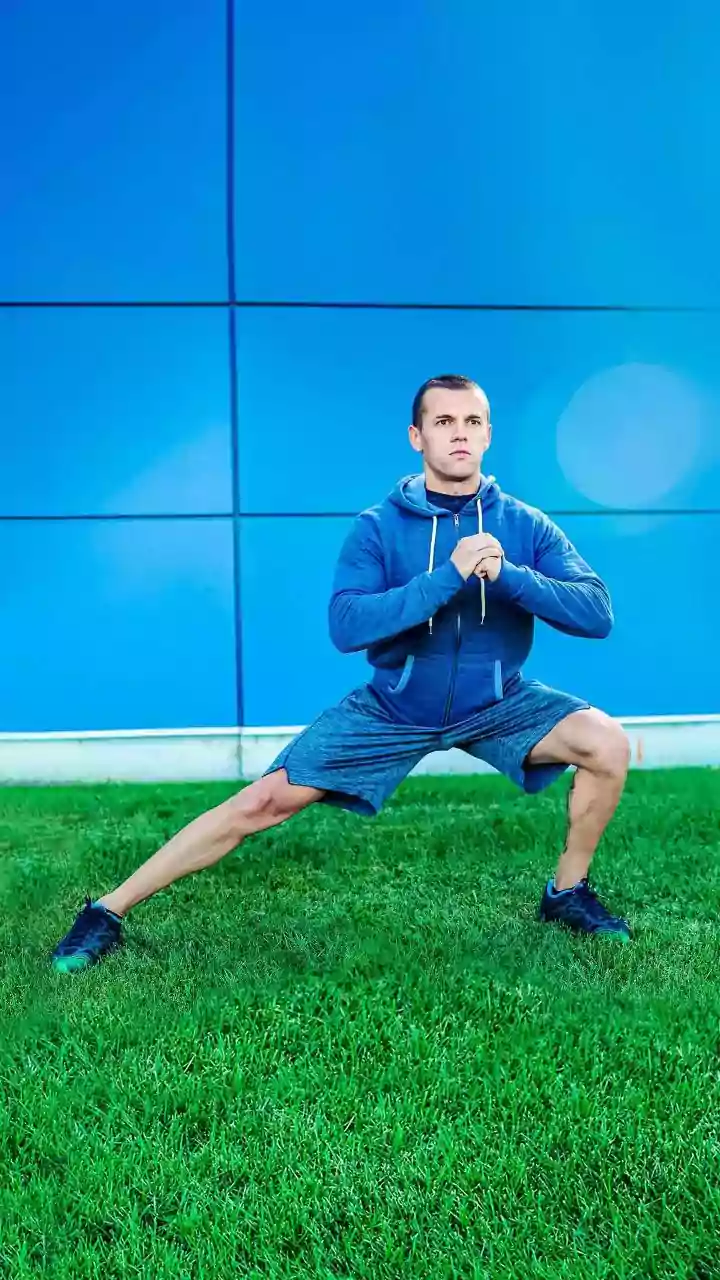
Your core habit should be almost 'too easy to fail'. The goal is to choose an activity so manageable you have no excuse to skip it. Start by thinking about the absolute minimum you can commit to each day. Examples could include: ten minutes of bodyweight exercises like squats and push-ups before your morning shower; a brisk 15-minute walk after dinner; or a short yoga or stretching session right after waking up. The key is consistency, not intensity. This single act of showing up for yourself, even in a small way, keeps your fitness identity alive and makes it much easier to return to your full routine once the festivities wind down.
Beyond the Workout
The benefits of maintaining a core fitness habit extend beyond physical health. Regular exercise, even in short bursts, is a proven stress reliever, which is invaluable during the often hectic holiday season. It boosts mood by releasing endorphins, improves sleep quality, and strengthens your immune system. Furthermore, the discipline required to maintain one small habit can spill over, helping you make more mindful food choices or manage your time better. It builds self-trust and proves that you can navigate challenges without abandoning your goals entirely.