









The Rise of the Biometric Airport
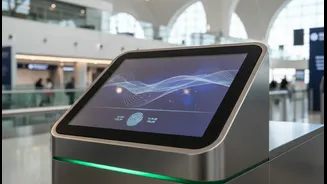
India's DigiYatra initiative is at the forefront of a global push to digitize the travel experience. The system uses Facial Recognition Technology (FRT) to create a biometric travel token from a passenger's face, linked to their boarding pass and ID.
In theory, it transforms multiple manual checkpoints into a quick, contactless scan. Launched in 2022, the platform is now operational at numerous airports, with millions of registered users and tens of millions of journeys facilitated. The stated goals are to reduce queue times, enhance security, and create a smoother process for a rapidly growing number of air travelers. For many, it works as intended, turning a typically stressful process into a surprisingly swift one. But this efficiency hinges entirely on the system working perfectly, every single time.
When the System Says No
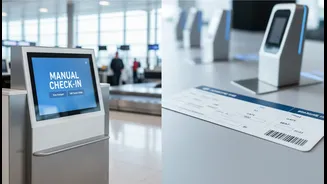
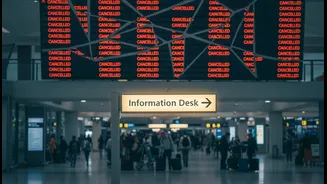
Technology, however, is never infallible. In February 2026, a prolonged glitch in the central DigiYatra server caused chaos at Kolkata airport, with e-gates failing to recognize passengers and forcing everyone back into manual queues. Similar app-related failures, from login issues to an inability to upload boarding passes, have been widely reported by passengers on social media. The current fix for any such failure is simply to abandon the tech and revert to the old way: join the regular queue and present your physical ID and boarding pass to a security officer. While this sounds like a reasonable fallback, it ignores the reality of the airport environment. Passengers who relied on the faster biometric lane might now be at the back of a longer queue, risking missed flights. It turns a tool of convenience into a source of anxiety and delay, the very problems it was designed to solve.
The Black Box of Redress
The problem runs deeper than a temporary glitch. What if the system consistently fails to recognize you? What if your data is incorrectly matched? As of now, there is no formal, transparent, or timely process to challenge a biometric failure. There is no designated officer to appeal to, no technical support to diagnose the issue on the spot, and no clear pathway to get your biometric profile corrected. The official Digi Yatra policy mentions a manual verification process by CISF personnel if online registration fails, but this is a one-time bypass, not a solution to the underlying problem. This lack of a formal redressal mechanism creates a significant power imbalance. The passenger is left with no recourse but to hope the system works next time, or abandon it altogether. This isn't just an inconvenience; it raises fundamental questions of fairness and due process.
Privacy, Consent, and the Need for Accountability
The urgency for a redress system is compounded by wider concerns about the DigiYatra ecosystem. Despite being promoted as voluntary, there have been numerous complaints of passengers being enrolled deceptively or coercively. Furthermore, a parliamentary committee has raised serious flags about the lack of an independent audit of the system's security and data handling practices. While the government states that personally identifiable information is stored on the user's device, not a central server, the policy allows for data access by security agencies. The Digital Personal Data Protection Act (DPDPA), 2023, provides a legal framework for data handling, but its effectiveness in protecting immutable biometric data—which can't be changed like a password if compromised—is still under debate. Without robust oversight and clear accountability, passengers are being asked to trust a system that offers little transparency and no clear recourse when things go wrong.
What a Real Safety Net Looks Like
Building a trustworthy biometric system requires more than just good technology; it requires a human-centric safety net. A clear redressal mechanism is the cornerstone of that net. This should include a simple process for passengers to flag errors, a right to understand why a scan failed, and a defined pathway to have their data reviewed and corrected. There should be specially trained staff at airports—distinct from security personnel focused on queues—who can handle technology-related grievances. Moreover, the Digi Yatra Foundation must establish an independent ombudsman or grievance officer to handle complaints that are not resolved at the airport level. This is not about slowing down progress; it's about building sustainable trust. For passengers to fully embrace a biometric future, they must be confident that the system is not just efficient, but also fair, accountable, and built with their rights in mind.