




The Celestial Show: What are the Delta Aquariids?
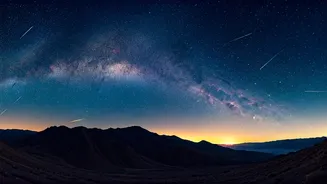
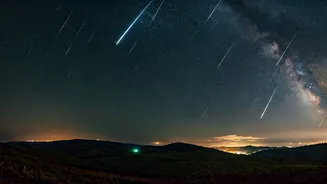
The Delta Aquariids meteor shower is an annual celestial event that is active from mid-July to late August. For 2026, the shower will peak around July 30. This meteor shower is created by debris left behind by the comet 96P/Machholz. As Earth passes through
this trail of cosmic dust, the particles burn up in our atmosphere, creating streaks of light, or 'shooting stars'. The Delta Aquariids are known for being a bit fainter than some other famous showers, like the Perseids, which makes the choice of viewing location incredibly important. To see them clearly, you need the darkest, clearest skies possible, which is where Ladakh truly shines.
Hanle: India’s Official Dark Sky Sanctuary
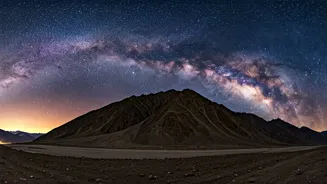
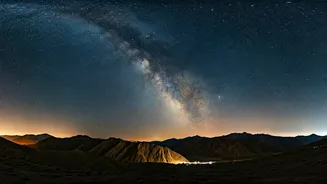
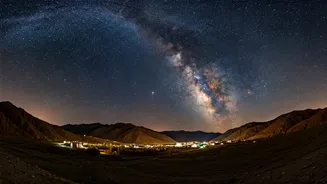
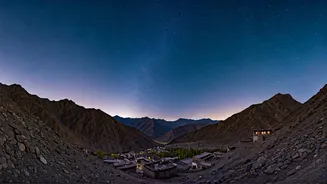
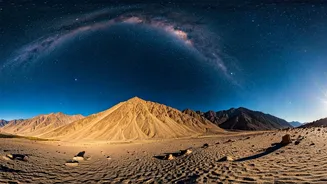
Nestled in the remote Changthang region, Hanle is not just a village; it's a stargazing paradise. In December 2022, a 22-km radius around Hanle was officially designated as India's first Hanle Dark Sky Reserve (HDSR). This designation means the area is protected against light pollution, ensuring the night sky remains pristine. With a Bortle Scale rating of 1—the darkest possible—the sky here is so clear you can see the Milky Way galaxy in breathtaking detail with the naked eye. The village is also home to the Indian Astronomical Observatory, one of the highest in the world, which stands as a testament to the area's superior atmospheric conditions for observing the cosmos.
Nubra Valley: A Natural Amphitheatre for the Stars
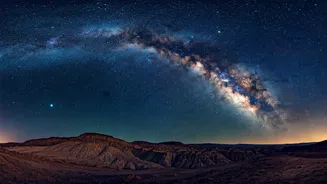
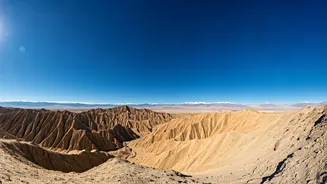
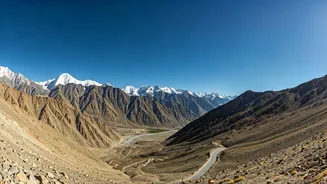
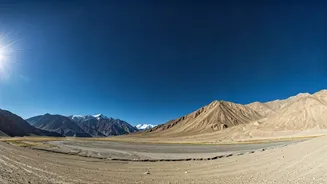
While Hanle is a dedicated reserve, the Nubra Valley offers its own unique advantages. Situated at an altitude of over 3,000 metres, this wide, expansive valley acts as a natural amphitheatre. Its sheer breadth provides a panoramic, unobstructed view of the heavens, making it perfect for tracking the long, steady trails of the Delta Aquariids. The valley's remote location means it suffers from minimal urban light pollution, providing naturally dark skies that are ideal for stargazing. For those who might find the extreme altitude of Hanle (around 4,500 metres) challenging, Nubra offers a slightly more accessible yet equally spectacular alternative.
The High-Altitude, Dry-Air Advantage
Both Hanle and Nubra benefit immensely from Ladakh's signature high-altitude desert environment. At elevations between 3,000 and 4,500 metres, you are above a significant portion of the Earth's atmosphere. This thin, dry air causes less atmospheric turbulence and contains very little moisture or pollution, which are the primary culprits for blurry or obscured stargazing at lower altitudes. The result is a sharper, more vivid view of celestial objects. The dry weather in Ladakh, especially between May and September, also means there are more cloudless nights, increasing your chances of a perfect viewing experience for the duration of the meteor shower.
More Than Just Meteors
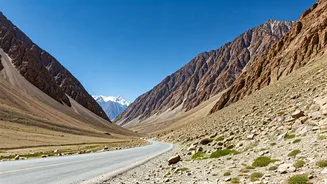
A trip to Hanle or Nubra for the Delta Aquariids is about more than just what happens after sunset. By day, these regions offer some of the most stunning landscapes in India. Nubra Valley is famous for its 'cold desert' sand dunes, the two-humped Bactrian camels, and serene monasteries like Diskit. Hanle, with its vast plains and the beautiful Hanle Monastery, offers a sense of profound peace and isolation. This journey provides a rare opportunity to disconnect from the hustle of city life and immerse yourself in raw, natural beauty, making the celestial show at night feel even more profound.
Planning Your Trip: Permits and Logistics
As both Hanle and Nubra Valley are in protected areas near India's borders, Indian tourists need to obtain an Inner Line Permit (ILP). In recent years, this process has been streamlined, and permits can often be acquired by paying an environment fee through the official Leh administration's online portal. It is crucial to have printed copies of your permit, as you will need to submit them at various checkpoints. Accommodations in these remote areas range from simple guesthouses and homestays to campsites, offering an authentic local experience. Given the high altitude, it is essential to acclimatise in Leh for a couple of days before proceeding to Hanle or Nubra to prevent altitude sickness.