



The Grain Glow-Up
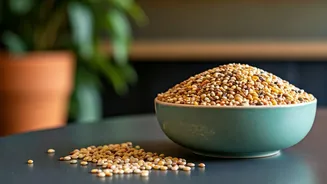
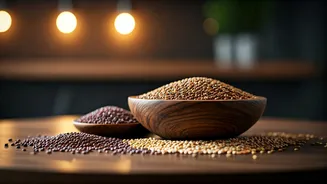
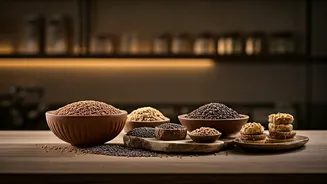
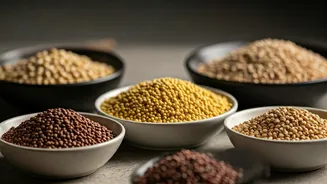
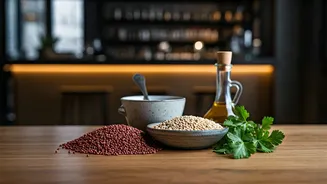
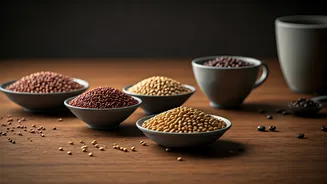
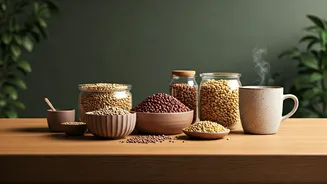
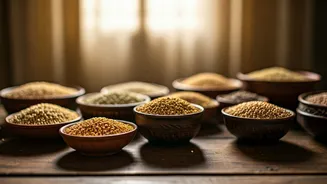
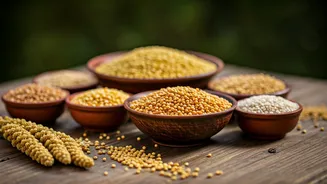
For generations, millets like ragi (finger millet), jowar (sorghum), and bajra (pearl millet) were the bedrock of traditional Indian diets, especially in rural areas. Valued for their resilience in harsh climates, these grains were often seen as coarse,
rustic food. Fast forward to today, and they are being rebranded as 'supergrains' or 'nutri-cereals'. Their nutritional profile is impressive: they are gluten-free, high in fibre, packed with protein, vitamins, and minerals like iron and calcium. This glow-up is changing perceptions; the food that was once a farmer's humble meal is now a premium ingredient in the trendiest of city spots.
From Forgotten Food to a Conscious Choice
So, why the sudden embrace? The shift is driven by a perfect storm of cultural and consumer trends. Firstly, there's a growing wave of health consciousness, with urban diners looking for functional foods that do more than just fill them up. Millets, with their low glycemic index, are ideal for managing blood sugar and supporting gut health. Secondly, there's a move away from imported 'superfoods' like quinoa and chia seeds towards local, sustainable alternatives. Millets require less water than rice and wheat, making them an environmentally sound choice. This turn towards tradition was significantly boosted by the UN's declaration of 2023 as the "International Year of Millets," a move heavily promoted by the Indian government, which sparked widespread interest and culinary innovation.
The Menu Makeover: This is the Flex
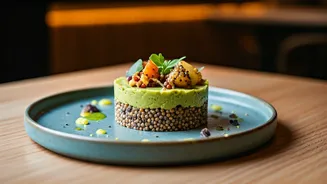
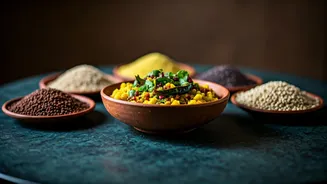
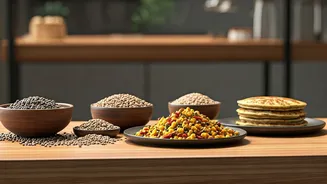
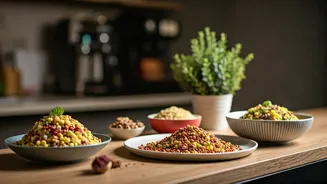
The real 'flex' is in the creativity. Cafes aren't just serving bajra roti; they are re-imagining these grains for the modern palate. In cities like Delhi and Bengaluru, menus are boasting innovative dishes that blend tradition with global formats. Think ragi pancakes and crepes, jowar-based pizza crusts, millet risottos, and hearty grain bowls. At Delhi's Greenr Café, you might find earthy bowls with barnyard millet and amaranth salads, while Café Lota offers a modern take on bajra chillas. Desserts are also getting a makeover, with chefs creating ragi chocolate brownies, jowar laddoos (using jaggery instead of sugar), and amaranth kheer. It’s about demonstrating culinary skill by transforming a challenging, dense grain into something light, delicious, and Instagram-worthy.
More Than Just a Health Kick
Ultimately, this trend goes beyond nutrition. It’s a powerful statement of cultural identity. For years, Western food trends dominated the urban cafe scene. Now, by placing a ragi mudde-inspired dish or a sophisticated jowar tart on the menu, cafes are celebrating India's rich agricultural and culinary heritage. It signifies a return to roots, but with a contemporary twist that makes it feel aspirational, not archaic. Eating local is no longer just a sustainable choice; it's a cool one. This movement reframes what it means to eat well in India, suggesting that the most exciting 'new' ingredients have been here all along, waiting for their moment in the sun.