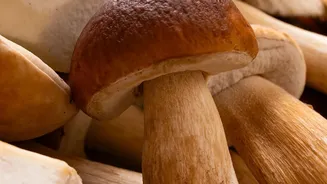




It’s a familiar story: you buy a container of fresh, firm mushrooms, and just days later, they’ve turned into a slimy, unappetizing mess. The good news is that preventing this food waste is surprisingly simple and requires no special gadgets.
The Science of Slime: Why Moisture Is the Enemy
To understand
the solution, you have to know the problem. Mushrooms have an incredibly high water content, often around 90%. When you bring them home in the typical plastic-wrapped container, you're creating a tiny, humid chamber. As the mushrooms naturally release moisture, that water gets trapped by the plastic with nowhere to go. This damp environment is the perfect breeding ground for bacteria, which creates the slimy film that signals the start of spoilage. The key to keeping mushrooms fresh is to manage this moisture, allowing them to breathe without drying out completely.
The Paper Bag Method: A Step-by-Step Guide
This is where the humble brown paper bag becomes your best friend. Paper is porous, meaning it allows for air circulation while also absorbing any excess moisture the mushrooms release. This combination is exactly what mushrooms need to stay firm and fresh for up to a week or even longer. Here’s how to do it correctly: 1. Start Dry: Do not wash your mushrooms before storing them. Any extra water will only accelerate their decline. It's best to gently brush off any visible dirt with a soft brush or a dry paper towel right before you plan to cook them. 2. Bag Them Up: As soon as you get home, take the mushrooms out of their original plastic packaging and place them inside a standard paper lunch bag. 3. Give Them Room: Avoid packing the bag too tightly. Give the mushrooms some space to ensure good airflow. 4. Fold, Don't Seal: Loosely fold the top of the bag over. Do not seal it tightly with a clip or rubber band, as this would defeat the purpose of allowing them to breathe.
The Right Place in the Refrigerator
Where you put the bag is just as important as the bag itself. The ideal spot is in the main compartment of your refrigerator. You should actively avoid the crisper drawer. While great for leafy greens, crisper drawers are designed to maintain a high-humidity environment, which is precisely what you want to avoid for mushrooms. Storing them in the main section provides a cool, less humid climate that, combined with the paper bag, creates the perfect storage conditions.
An Extra Layer of Protection
For even better results, some experts recommend adding a clean, dry paper towel inside the bag with the mushrooms. The paper towel provides an additional layer of moisture absorption, wicking away dampness even more effectively. This can be particularly helpful if you notice condensation forming. Just be sure to check the towel every couple of days; if it feels damp, simply replace it with a fresh, dry one to keep the environment inside the bag optimal.
When Are Mushrooms Past Their Prime?
Even with perfect storage, mushrooms won't last forever. You'll know it's time to use them or lose them if you notice a few key signs. A slimy or sticky surface is the most obvious indicator of spoilage. Other signs include significant dark spots, a mushy texture, or a strong, unpleasant odor. While slightly wrinkled or 'tiredly looking' mushrooms can sometimes develop a deeper, earthier flavor and are often still fine to eat, any sliminess means they should be discarded.