





The Power of Isometric Exercise
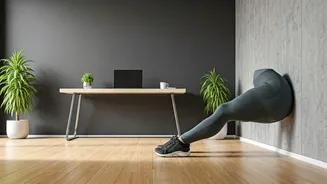
The wall sit, also known as the wall squat, is an isometric exercise. Unlike dynamic exercises like squats or lunges where you move through a range of motion, isometric exercises involve holding a static position. During a wall sit, your muscles are under
constant tension without lengthening or shortening. This type of contraction is incredibly effective for building muscular endurance and stability. Think of it as a test of willpower and strength rolled into one. By holding the position, you force your muscle fibres to fire continuously, which can lead to significant gains in strength and stamina over time, all without putting stress on your joints like high-impact activities might.
What Muscles Do Wall Sits Activate?
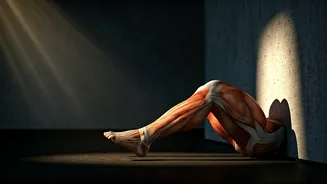
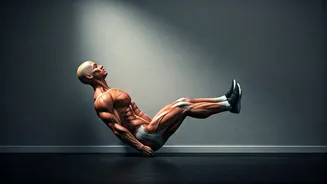
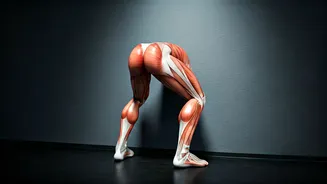
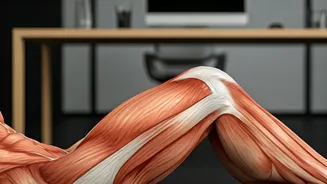
The primary reason wall sits are so challenging is that they engage a large portion of your lower body musculature simultaneously. The main muscle group at work is the quadriceps, the large muscles at the front of your thighs. You'll feel them burning almost immediately. However, the benefits don't stop there. Wall sits also heavily recruit your glutes (the muscles in your buttocks) and hamstrings to help stabilise your hips. Your adductor muscles on the inner thighs work to keep your knees aligned, and even your calves play a role in maintaining the position. To hold your torso upright, you must also engage your core, making it a surprisingly effective full-body stabiliser.
How to Perform the Perfect Wall Sit
Form is everything when it comes to wall sits. Performing it correctly ensures you target the right muscles and prevent injury, especially to your knees and lower back. Follow these steps for perfect execution: 1. **Find a Wall:** Stand with your back against a smooth, sturdy wall. 2. **Position Your Feet:** Step your feet out about two feet from the wall, keeping them shoulder-width apart and parallel to each other. 3. **Slide Down:** Lean your entire back flat against the wall and slowly slide down until your thighs are parallel to the floor. Your knees should be directly above your ankles, forming a 90-degree angle. Your shins should be perpendicular to the floor. 4. **Check Your Posture:** Ensure your back, from your head to your lower back, is pressed firmly against the wall. Distribute your weight evenly through your heels. 5. **Engage and Hold:** Brace your core, keep your chest up, and look straight ahead. Hold this position for your desired time.
Common Mistakes to Avoid
A few small errors can compromise the effectiveness of the wall sit and increase your risk of injury. Be mindful to avoid these common mistakes: * **Sliding Too Low:** Going past the point where your thighs are parallel to the floor puts excessive strain on your knee joints. * **Not Going Low Enough:** A shallow wall sit doesn't fully engage the quadriceps and glutes, reducing the exercise's benefits. * **Letting Knees Cave Inward:** This can strain the ligaments in your knees. Actively think about keeping your knees aligned with your feet. * **Placing Feet Too Close to the Wall:** This also puts unnecessary pressure on your knees. Ensure your knees are stacked over your ankles. * **Leaning Forward or Arching Your Back:** Keep your back completely flat against the wall to properly support your spine and engage your core.
Why One Minute Is a Great Goal
Holding a wall sit for a full minute is a fantastic benchmark for muscular endurance. For a beginner, this might seem daunting. The constant tension causes a rapid build-up of lactic acid, which creates that familiar burning sensation. Don't be discouraged if you can only hold it for 15 or 20 seconds at first. The goal is to build up gradually. Start with a manageable time, rest for 30-60 seconds, and repeat for 3-4 sets. As you get stronger, aim to increase your hold time by 5-10 seconds each week. Reaching the 60-second mark is a clear indicator that your lower body strength and endurance have significantly improved.
Ready for a Challenge? How to Progress
Once you can comfortably hold a standard wall sit for a minute or more, you can increase the difficulty to continue challenging your muscles. Try one of these progressions: * **Add Weight:** Hold a dumbbell, kettlebell, or weight plate on your lap to increase the resistance. * **Single-Leg Wall Sit:** From the standard wall sit position, lift one foot off the floor and extend it straight out in front of you. This drastically increases the load on the supporting leg. * **Incorporate Arm Movements:** While holding the wall sit, perform bicep curls or overhead presses with light dumbbells to challenge your stability and work your upper body simultaneously.