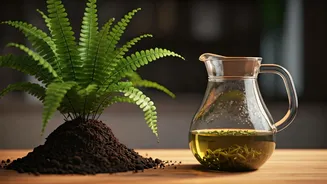




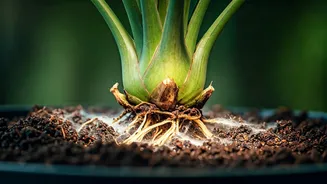


Why Green Tea Works for Ferns
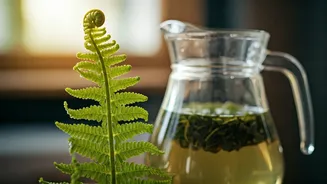
That cup of green tea you enjoy is full of beneficial compounds, and your ferns can enjoy them too. Used green tea leaves contain nitrogen, phosphorus, and potassium, the foundational macronutrients for plant health. [1] More importantly, tea contains
tannins, or tannic acid, which can help to slightly lower the soil's pH. [18] Many popular indoor ferns, which evolved on shaded forest floors with rich, decaying leaf litter, prefer soil that is slightly acidic. [4, 5, 8] This acidic environment helps them absorb essential nutrients more effectively, leading to lusher, greener fronds. Using cooled, brewed green tea provides a mild, slow-release feeding that mimics these natural conditions without the harshness of synthetic fertilisers. [3, 19]
How to Use Brewed Green Tea
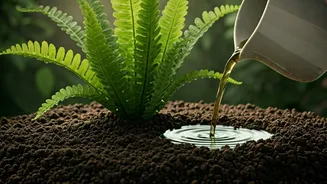
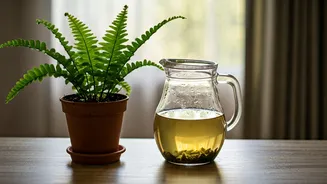
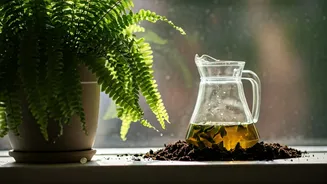
The easiest way to treat your ferns is by using the leftover liquid from your teapot. The most important rule is to ensure the tea is completely cooled to room temperature to avoid shocking the plant's roots. [17, 18] Also, make sure the tea is plain—no sugar, milk, or any other additives, as these can attract pests and promote harmful mould growth. [1, 9] For best results, dilute the leftover tea with an equal amount of water, especially if it's a strong brew. [2] Use this diluted tea water to gently water your fern as you normally would, until a small amount drains from the bottom of the pot. This method provides a gentle dose of nutrients directly to the roots. [6]
Using Whole Tea Leaves
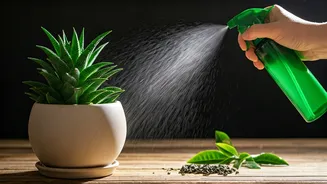
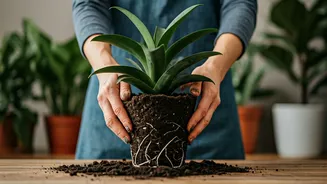
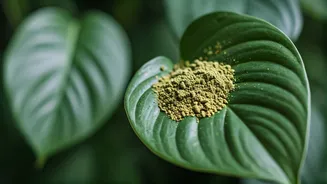
If you use loose-leaf tea, you can also apply the spent leaves directly to the soil. After brewing, allow the leaves to cool. You can then sprinkle a thin layer of the damp leaves around the base of the fern, lightly mixing them into the top inch of soil. [1] This acts as a natural, slow-release fertiliser and mulch. [2] As the leaves decompose, they gradually release nitrogen and other nutrients while also improving soil structure and water retention. [1] Be careful not to apply too thick a layer, as this can create a dense mat that might encourage mould or attract fungus gnats. [1, 7] A light scattering is all you need.
Important Precautions and Best Practices
While green tea is beneficial, moderation is key. Overdoing it can make the soil too acidic over time. [1] A good rule of thumb is to offer a green tea treatment no more than once every two to four weeks during the growing season (spring and summer). [15] Always use it as a supplement to, not a replacement for, your regular watering schedule. It's also a good idea to alternate with plain, filtered water. [17] Keep an eye on your fern. If you notice any adverse effects like yellowing leaves or mould on the soil surface, stop the tea treatments and flush the soil with plain water at the next watering. Remember that not all ferns are the same; for instance, Maidenhair ferns sometimes prefer more alkaline soil, so it's wise to know your specific plant's preference. [12]