





The High Cost of Travel Anxiety
It’s not just a feeling; travel stress has a real-world impact. According to a 2026 survey by aviation technology firm SITA, the anxiety is so significant that it's stopping people from travelling altogether. The study, which polled nearly 8,000 travellers
across 24 countries, found that a staggering 42% have decided against taking a trip because they expected it to be too stressful. This figure is even higher among the most experienced travellers, with six in 10 frequent flyers admitting to abandoning a trip over stress concerns. The findings suggest that the journey itself, long before the vacation begins, has become a major hurdle for would-be tourists and adventurers. The core of this stress, the report highlights, often comes down to a lack of information and control over the unexpected.
The Biggest Stressors Revealed
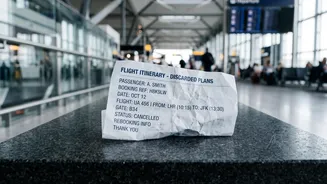
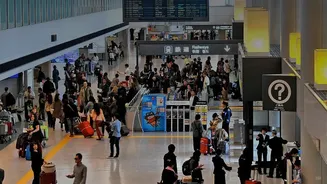
So, what exactly is causing this widespread travel trepidation? The survey points squarely at operational and logistical problems. Flight delays and cancellations consistently rank as a top frustration for passengers. This is followed closely by the agony of long queues and waiting times, whether at check-in, security, or the boarding gate. Another major source of anxiety is baggage handling, with many travellers worrying about their bags getting lost or delayed. Interestingly, the period after clearing security but before boarding has become a new hotspot for anxiety. The SITA report notes that a third of passengers now feel anxious during this 'dwell time', a threefold increase from 2023. This is the time when travellers are supposed to be relaxing or shopping, but uncertainty about gate changes and boarding times is creating more tension.
A Generational and Frequent-Flyer Divide
While travel stress is a universal experience, it affects some groups more than others. The SITA survey reveals that more than half of travellers under the age of 30 have cancelled a trip due to anticipated stress. This suggests that younger generations, while eager to travel, are particularly sensitive to the hassles of the modern travel experience. Similarly, one might assume that frequent flyers would be immune to these pressures, but the opposite is true. An even higher proportion of frequent flyers—61%—have opted out of a trip because of the expected stress. This indicates that familiarity with air travel doesn't necessarily reduce anxiety; in some cases, repeated exposure to delays, queues, and other frustrations may even heighten it.
Is Technology the Answer?
Amid all this anxiety, there is a strong sense of optimism about the role technology can play in creating a smoother journey. A massive eight out of ten travellers surveyed believe that technology can help reduce the stress of air travel. This confidence is even higher among frequent flyers and younger travellers, the very groups most affected by stress. Passengers are not asking for futuristic gadgets, but for practical, real-time information. They want to be kept in the loop. Simple alerts on their phones about gate changes, live updates on queue lengths, accurate walking times to their gate, and transparent baggage tracking are some of the tech-driven solutions that could make a significant difference. The goal is to eliminate the uncertainty of not knowing what happens next, which is a primary driver of stress.
Your Action Plan for a Calmer Trip
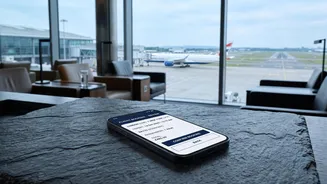
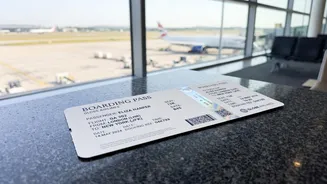
While the industry works on bigger technological fixes, there are several things you can do right now to manage travel stress. First, preparation is key. Use a checklist for packing to avoid last-minute panic. Second, give yourself plenty of buffer time. Arriving at the airport earlier than you think you need to can turn a frantic dash into a leisurely stroll. Third, leverage the technology you already have. Download your airline's app for the latest flight updates, save your boarding pass to your phone, and use maps to navigate the terminal. For international trips, download offline maps and translation apps. Finally, manage your expectations. Travel rarely goes exactly as planned. Building some flexibility into your itinerary and maintaining a positive attitude can help you handle unexpected bumps with greater ease.