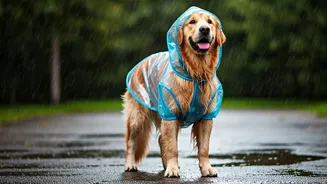



The Dangers in the Downpour
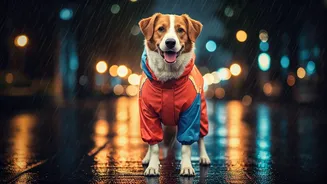
The biggest threat during the monsoon isn't just mud. Stagnant water, a common sight in our cities and parks, can be a breeding ground for harmful bacteria. One of the most serious is Leptospira, which causes leptospirosis, a severe infection that can lead
to kidney and liver failure. This bacteria is often spread through the urine of rodents, which are more active during floods and heavy rains. When your dog walks through or drinks from a contaminated puddle, the bacteria can enter their system through small cuts on their paws or by ingestion. Beyond bacteria, puddles can also conceal sharp objects like broken glass or debris, as well as chemical runoff from pesticides or vehicle fluids, all of which pose a direct threat to your dog's unprotected paw pads.
Why Damp Paws Are a Problem
The danger doesn’t end when the walk is over. Paws that remain damp create the perfect warm, moist environment for fungal and yeast infections to flourish. The skin between a dog’s toes and in the folds of their paw pads has limited air circulation, trapping moisture and allowing microbes to multiply rapidly. This often leads to conditions like interdigital dermatitis, characterized by intense itching, redness, swelling, and sometimes a distinct, musty odour. You might notice your dog obsessively licking or chewing their paws, which is a clear sign of discomfort and irritation. If left unaddressed, these seemingly minor irritations can develop into painful, stubborn infections that require veterinary treatment.
A Simple Post-Walk Paw Routine
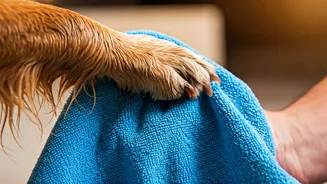
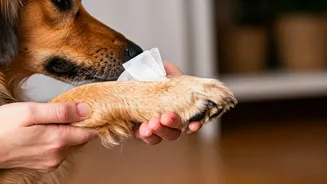
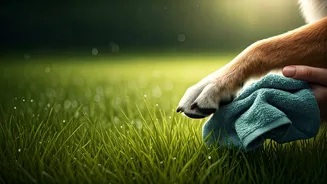
The single most effective way to prevent these issues is a consistent cleaning routine the moment you return home. A few minutes of care can save weeks of vet visits. First, use a soft towel to wipe off the initial layer of mud and water. Then, wash your dog's paws with lukewarm water. For particularly dirty paws, a small amount of mild, dog-safe shampoo can be used. Gently work the lather between the toes and around the pads. Rinse thoroughly to ensure no soap residue is left behind, as this can cause dryness and irritation.
The Critical Importance of Drying
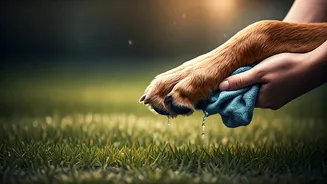
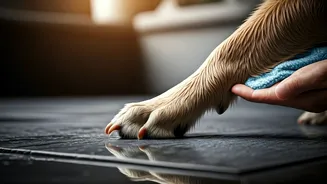
Cleaning is only half the battle; thorough drying is just as crucial. Many pet owners overlook this step, but it is essential for preventing fungal growth. Use a clean, absorbent towel (microfibre towels work well) and carefully dry each paw. Pay special attention to the area between the toes, as this is where moisture loves to hide. Gently separate the pads to get into the crevices. For long-haired breeds, you might consider using a hairdryer on a low, cool setting, ensuring you don't hold it too close to the skin. A completely dry paw is a healthy paw.
Inspect and Protect
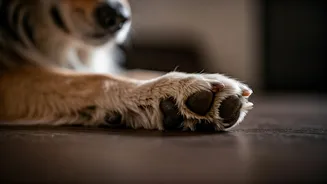
While you're cleaning and drying, make it a habit to perform a quick inspection. Check the pads for any cuts, cracks, or scrapes. Look between the toes for redness, swelling, or any foreign objects like thorns or small stones. Also, check for ticks, which are more prevalent in the damp monsoon season. For added protection before you even head out, you can apply a thin layer of a pet-safe paw balm or wax. This creates a protective barrier against rough surfaces and moisture. In the same vein, keeping the fur between the paw pads trimmed short can significantly reduce the amount of mud and water that gets trapped.