

1. Jackfruit Seed Curry (Kathal Beej)
While ripe jackfruit gets its time in the sun, and raw jackfruit is a popular meat substitute, its seeds are frequently discarded. This is a missed opportunity. Once boiled and peeled, these seeds have a firm, nutty texture similar to chestnuts. In states
like Kerala and across the Konkan coast, they are the stars of creamy, coconut-based curries known as 'Chakka Kuru Erissery' or simple stir-fries. The seeds absorb the flavour of spices beautifully, offering a hearty, protein-rich element to the meal that is both rustic and deeply satisfying.
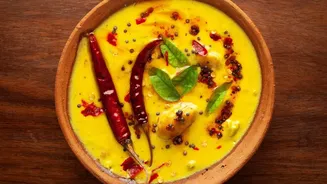
2. Lotus Stem Sabzi (Kamal Kakdi)
Instantly recognisable by its pinwheel-like pattern, the lotus stem offers a unique, crunchy texture that survives cooking. Though central to Kashmiri dishes like the yogurt-based 'Nadru Yakhni', it is underutilised in many other parts of India. Kamal Kakdi can be fried into crisp chips, added to rich tomato-based gravies, or made into succulent tikkis. Its mild flavour and porous structure allow it to act like a sponge, soaking up gravies while providing a delightful bite that stands in contrast to softer ingredients like potatoes.
3. Banana Flower Stir-Fry (Mocha'r Ghonto)
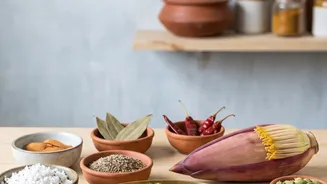
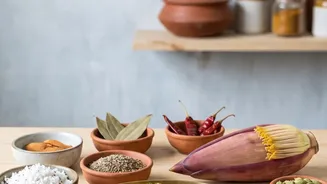
The large, purple teardrop-shaped banana blossom, or 'mocha' in Bengali, is a textural wonder. Preparing it requires patience—cleaning and chopping the florets can be time-consuming—but the reward is immense. In Bengal, 'Mocha'r Ghonto' is a classic dry curry where the finely chopped blossom is cooked with spices and often potato and grated coconut. The flower has a subtle, astringent taste and a texture that’s tender yet fibrous, making it a truly unique vegetable that deserves a place on the national stage.
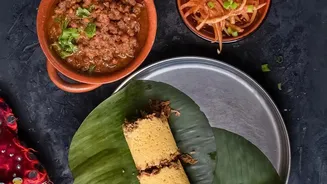
4. Colocasia Leaf Rolls (Patra)
Colocasia, or arbi, roots are common, but its large, heart-shaped leaves are a delicacy in their own right. In Gujarat and Maharashtra, they are used to make 'Patra' or 'Alu Vadi'. A spiced gram flour paste, tangy with tamarind and sweet with jaggery, is spread over the leaves, which are then layered, rolled into tight logs, and steamed. The resulting slices are often tempered with mustard seeds and sesame, offering a beautiful spiral of green and gold with a complex flavour profile that is sweet, sour, and savoury all at once.
5. Moringa Leaf Sabzi (Sahjan Patta)
The drumstick is a staple in sambar, but its leaves are a nutritional powerhouse often left behind. Moringa leaves are packed with iron, vitamins, and antioxidants. Across India, especially in the south and east, these tiny leaves are quickly stir-fried ('poriyal') with garlic, onions, and coconut or cooked with lentils into a wholesome dal. The flavour is mildly bitter, similar to spinach but with a more robust, earthy profile. It's a simple, quick-cooking green that adds immense nutritional value to any meal.
6. Sorrel Leaves Dal (Gongura Pappu)
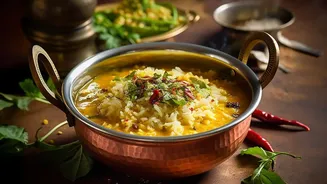
Gongura, or sorrel leaves, are the heart of Andhra cuisine, yet they remain a regional specialty. Their defining characteristic is a sharp, tangy flavour that can elevate a dish without the need for tamarind or lemon. 'Gongura Pappu' is a simple dal where the leaves are cooked down with toor dal, onions, and green chillies until they melt into a tart, flavourful gravy. The leaves are also the star of the famous 'Gongura Pachadi', a fiery pickle that captures the unique taste of this incredible green.
7. Fiddlehead Fern Sabzi (Lingri)
Foraged from the Himalayan foothills in states like Himachal Pradesh and Uttarakhand, fiddlehead ferns are the coiled fronds of a young fern plant. Known locally as 'lingri' or 'kasrod', these greens have a short season and a unique, earthy flavour that is a cross between asparagus and green beans. They are typically prepared as a simple stir-fry with mustard oil and basic spices, letting their distinct taste and crisp-tender texture shine. This is a true taste of the mountains, wild and delicious.
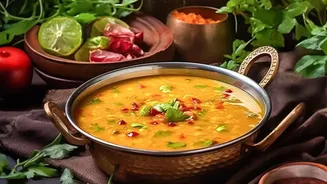
8. Horse Gram Dal (Kulith)
Kulith, or horse gram, is one of the most protein-rich lentils, yet it is far less common than toor, moong, or masoor dal. It has a robust, earthy flavour and requires a longer cooking time, often needing to be soaked overnight. Popular in hilly regions and South India, it's used to make warming soups ('rasam') and hearty dals. In Maharashtra, the dal is often cooked until soft and seasoned with a simple tempering of cumin, garlic, and curry leaves. It’s a rustic, nutritious lentil that offers deep, comforting flavour.