

The Sweet Spot of Sunlight
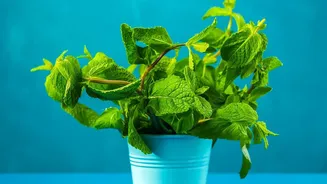
The headline claim holds true: bright, indirect sunlight is the gold standard for indoor mint. While mint can tolerate some shade outdoors, it needs significant light inside to produce the essential oils that give it that signature fragrance and flavour.
Too much direct, intense sun, like from a south-facing window in summer, can scorch its delicate leaves. On the other hand, too little light will cause the plant to become 'leggy', with long, weak stems and sparse, pale leaves that lack aromatic punch. An east-facing window that provides gentle morning sun is often ideal, as is a spot a few feet back from a more intense west- or south-facing window. If your home lacks natural light, a full-spectrum LED grow light for 12-16 hours a day can effectively supplement its needs.
Watering, Soil, and Potting
While light is crucial, it’s only one part of the equation. Mint is a thirsty herb and prefers soil that is consistently moist but not waterlogged. Overwatering is a common mistake that can quickly lead to root rot, the number one killer of indoor herbs. To prevent this, use a well-draining potting mix—never heavy garden soil—amended with perlite to improve aeration. Water thoroughly whenever the top inch of soil feels dry to the touch, and ensure your pot has drainage holes so excess water can escape. Because mint spreads via aggressive runners, it’s best to give it a wide pot, at least 8-10 inches in diameter, and plant it by itself.
Pruning for Flavour and Fullness
Regularly harvesting your mint is not just for your kitchen; it’s essential for the plant's health. Pruning encourages the plant to grow bushier and more compact rather than tall and spindly. When you trim your mint, don’t just pick individual leaves. Instead, snip off the top portions of stems, cutting just above a set of leaves. This prompts the plant to send out new shoots from that point, creating a fuller shape. This practice also prevents the plant from flowering. Once mint flowers, its energy shifts from leaf production to seed production, often causing the flavour and aroma of the leaves to diminish. Don’t be afraid to cut it back regularly; mint is a vigorous grower and will bounce back quickly.
Troubleshooting Common Problems
Even with the best care, you might encounter some issues. If you notice tiny webs under the leaves or sticky residue, you may have spider mites, a common indoor pest that thrives in dry, stagnant air. Increasing humidity and wiping the leaves can help manage them. Yellowing lower leaves and mushy stems are classic signs of overwatering and potential root rot. Conversely, crispy leaf edges often point to underwatering. Another problem to watch for is powdery mildew, a white, dusty fungus that can appear on leaves. Good air circulation is key to preventing this. Regularly checking your plant for these early signs allows you to correct course before the problem becomes severe.