


In any Indian kitchen, garlic and coriander are non-negotiable. But while both are staples for flavouring vegetarian food, they play vastly different roles. Understanding their unique characters is the key to unlocking deeper flavour in your cooking.
The Foundation: Pungent, Earthy Garlic
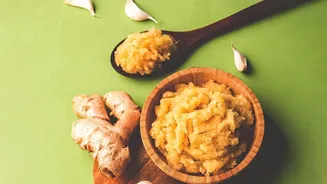
Garlic is the soul of countless vegetarian dishes, providing a deep, savoury, and pungent base. Its power lies in sulfur compounds, primarily one called allicin, which is created only when the clove's cell walls are broken by chopping or crushing. This is why a whole clove has little aroma, but a crushed one is intensely fragrant. This pungent, sharp flavour is foundational; it’s what chefs call a 'low note'. In Indian cooking, garlic is almost always added at the beginning, typically fried in hot oil or ghee with onions and ginger. This process tames its raw aggression, transforming the flavour into something sweeter, more mellow, and nutty. Think of the aromatic base of a dal tadka or a rich paneer masala; that complex, satisfying depth often begins with garlic creating a savoury canvas upon which other spices are layered.
The Finale: Fresh, Bright Coriander
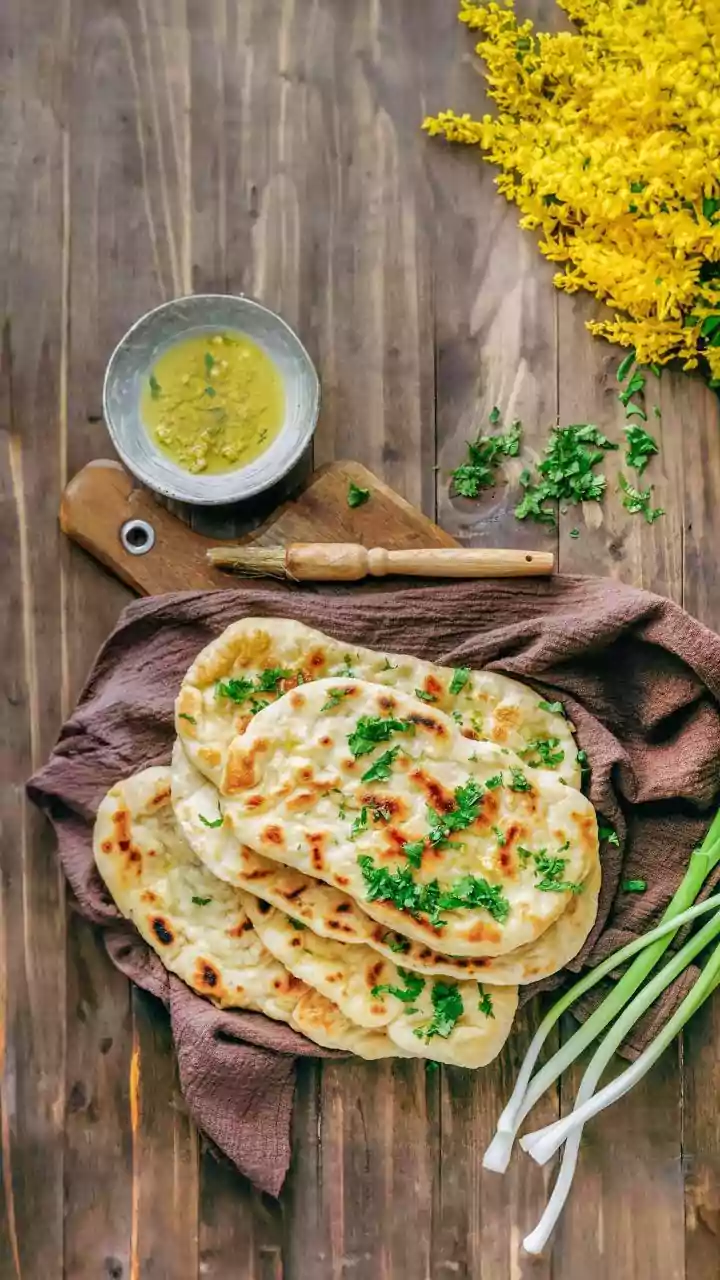
If garlic sets the stage, coriander delivers the grand finale. Fresh coriander leaves, also known as dhania, provide a 'high note'—a burst of fresh, citrusy, and slightly peppery flavour. Unlike garlic, its delicate aromatic compounds are volatile and cannot withstand prolonged cooking. Heat quickly destroys its bright, fresh character, which is why it is almost always used as a garnish or stirred in right at the end of cooking. A generous sprinkle over a finished curry, dal, or sabzi instantly lifts the entire dish, adding a vibrant, clean taste that cuts through the richness and provides a fragrant aroma. The stems, which have a more intense flavour, can be chopped finely and added earlier in the cooking process with other aromatics.
A Tale of Two Forms
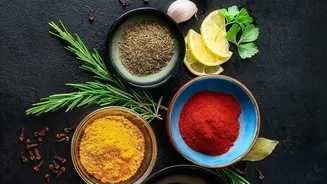
Both ingredients also offer a second, entirely different personality. For garlic, roasting it whole transforms the pungent cloves into a creamy, sweet, and mild paste that can be squeezed into dishes for a subtle, caramelised essence rather than a sharp bite. For coriander, the dried seeds are a world away from the fresh leaves. Coriander seeds have a warm, nutty, and spicy-citrus flavour. In Indian cuisine, they are a cornerstone spice, often toasted and ground to form the base of masalas. Unlike the leaves, the seeds are added early in the cooking process, bloomed in oil to release their essential oils and build a warm, earthy complexity that complements garlic’s pungency perfectly. It is crucial to remember that coriander leaves and seeds are not interchangeable; they offer completely different flavours and serve distinct culinary purposes.
The Art of the Vegetarian Pair
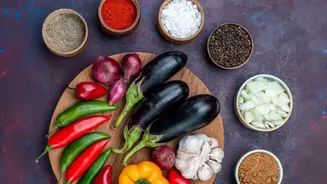
In vegetarian cooking, where deep, savoury notes can sometimes be elusive without meat, this duo is indispensable. Garlic provides the robust, almost meaty umami foundation, especially when browned. It gives lentils, beans, and root vegetables a satisfying depth. Consider a simple dish like Lasooni Dal (Garlic Lentils), where the flavour of garlic, tempered in ghee, is the star. Coriander, on the other hand, brings life and freshness. In a dish like Aloo Gobi, the garlic and ground coriander powder are cooked into the masala base, but the fresh coriander leaves at the end provide a necessary burst of herbal brightness against the earthy potatoes and cauliflower. This balance is key; the deep, cooked-in flavour of garlic grounds the dish, while the fresh, raw flavour of coriander leaves lifts it.