

From Commercial Spectacle to Intimate Storytelling
The food festival landscape in India, long dominated by large-scale commercial events like The Grub Fest and Zomaland, is experiencing a significant transformation. While these massive carnivals still draw crowds with their mix of popular restaurants,
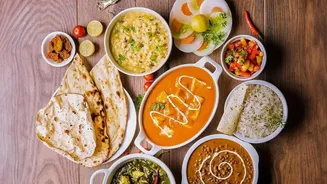
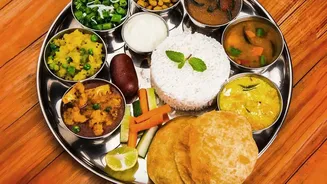
live music, and entertainment, a new breed of festival is emerging. This new chapter prioritizes depth over breadth, focusing on the rich, diverse tapestry of India's regional and community-specific cuisines. Instead of simply offering a variety of things to eat, these events provide a cultural immersion. They are smaller, more intimate affairs where the story behind a dish is as important as the flavour. This shift reflects a maturing palate among urban Indians, who are looking for more than just a fun day out; they are seeking connection, education, and a genuine taste of the country's culinary heritage.
The Rise of the Home Chef
Central to this evolution is the empowerment of the home chef. Once confined to their family kitchens, these passionate cooks are now the stars of the show. Propelled by social media and a growing appreciation for authentic, non-restaurant-style food, home chefs are being invited by hotels and event organizers to curate festivals. They bring with them generations of knowledge, secret family recipes, and a level of authenticity that commercial kitchens often struggle to replicate. Festivals dedicated to specific communities—like Kayastha, Bohri, or regional Bengali cuisines—are becoming more common, offering diners a chance to taste food that was previously only available in private homes. This trend not only provides a platform for talented home cooks but also helps preserve culinary traditions that might otherwise be lost.
A Hunger for Heritage and Authenticity
What is fueling this change? Experts point to a collective craving for authenticity and a deeper connection to cultural roots. In a globalized world, there's a growing desire to understand and celebrate one's own heritage. Food is one of the most accessible and emotive ways to do this. For many, especially younger generations living in cities far from their ancestral homes, these festivals are a way to reconnect with the flavours of their childhood. The experience is about nostalgia and memory, evoking the feeling of a grandmother’s cooking. This movement champions the idea that the most exciting flavours aren't always found in fine-dining restaurants but in the everyday kitchens and passed-down recipes of families across India.
Spotlight on India's Culinary Diversity
This new wave of food festivals is shining a light on the incredible diversity of Indian cuisine that often gets overlooked. While major festivals bring together pan-Indian street food, smaller events are diving deep into specific culinary traditions. For instance, the Ahare Bangla festival in Kolkata showcases West Bengal's tribal cuisines and lost recipes, while the Sattvik Food Festival in Ahmedabad promotes organic and traditional vegetarian foods, including heirloom grains. In Nagaland, the Hornbill Festival offers a unique window into traditional Naga dishes prepared with indigenous ingredients. These events are educational, introducing diners to new ingredients, cooking techniques, and flavour profiles, from the slow-cooked meats of Awadhi tradition to the subtle, sun-dried specialities of rural kitchens.