




Why Eating Seasonally Matters More During Monsoon
The monsoon brings relief from the heat, but it also creates challenges for our bodies. The humid, damp weather is a breeding ground for bacteria and viruses, making us more susceptible to infections, colds, and digestive issues. Nutrition experts and Ayurvedic
principles agree that our digestive system tends to weaken during this season. Eating seasonally is nature’s way of providing exactly what our bodies need to cope. Monsoon produce is often packed with Vitamin C and antioxidants that strengthen our immune system. Furthermore, locally sourced, seasonal vegetables and fruits are fresher, more nutrient-dense, and often more affordable because they haven't been artificially ripened or transported over long distances.
Must-Have Monsoon Vegetables
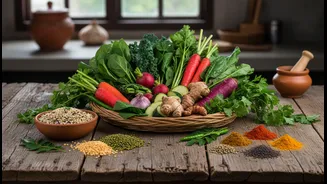
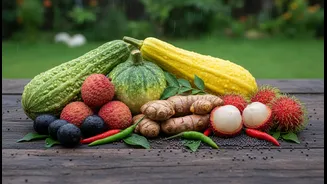
While it's tempting to reach for fried snacks, your plate will thank you for including light, easy-to-digest vegetables. Gourds are a monsoon staple for a reason; varieties like bottle gourd (lauki), ridge gourd (turai), and bitter gourd (karela) are recommended in Ayurveda for being easy on the stomach. Bitter gourd, despite its taste, is an excellent immunomodulator. Other great choices include okra (bhindi), eggplant (baingan), and cluster beans (gawar), all of which are harvested at their freshest during the rains. While leafy greens should be washed thoroughly, including spinach in cooked dishes can boost your intake of beta-carotene and vitamin E, enhancing your body's infection-fighting capabilities.
Immunity-Boosting Monsoon Fruits
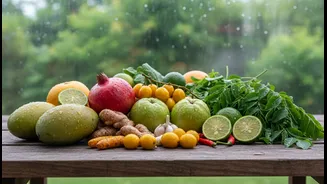
The fruit basket changes dramatically with the season, offering a new palette of flavours and health benefits. Jamun (Java plum) is a star monsoon fruit, rich in iron, vitamin C, and antioxidants that help manage blood sugar and fight fatigue. Pomegranates and guavas are also powerhouses of vitamin C, which is crucial for producing the white blood cells that defend against illness. In fact, a single guava can contain four times more vitamin C than an orange. Other seasonal delights include peaches, plums, cherries, and pears. These fruits not only bolster immunity but also help you stay hydrated and provide a natural energy boost.
The Power of Spices and Probiotics
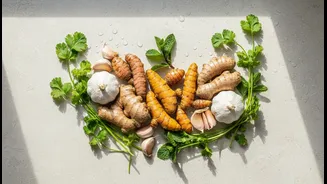
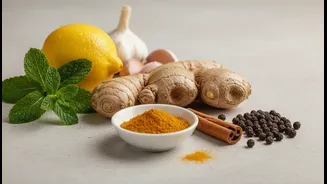
An Indian kitchen is incomplete without its array of spices, and many of them are particularly beneficial during the monsoon. Ginger, garlic, and turmeric are celebrated for their powerful antiviral, antibacterial, and anti-inflammatory properties. Adding fresh ginger to your tea, or using garlic and turmeric in your curries, can provide an internal shield against common infections. Probiotics are equally important for maintaining good gut health, which is closely linked to a strong immune system. Traditional Indian foods like Dahi (curd) and Chaas (buttermilk) are excellent sources of good bacteria that help regulate your digestive system.
Smart Shopping and Food Safety
Embracing seasonal eating also means being a smart shopper. With weather disruptions potentially affecting supply chains and prices, buying local and seasonal can be a cost-effective strategy. However, food safety is paramount during the monsoon. It's best to avoid pre-cut fruits and raw salads from outside vendors, as the risk of contamination is higher. Always wash vegetables and fruits thoroughly before consumption. Opt for freshly cooked, warm meals, as high cooking temperatures kill harmful bacteria that thrive in humidity. Simple, home-cooked meals like khichdi are considered ideal monsoon food—they are easy to digest, nourishing, and safe.