

Mistake 1: Repotting at the Wrong Time of Year
Timing is everything. Repotting a plant causes stress, and doing it at the wrong time can hinder its recovery. Many plant parents assume any time is fine, but plants have their own schedules. The best time to repot most houseplants is during their active
growing season, which is typically in the spring or early summer. At this point, they are full of energy and can quickly recover from the shock of being moved, extending their roots into the fresh soil to take advantage of the nutrients. Repotting in the winter, when most plants are dormant or 'sleeping', is a common error. A dormant plant doesn't have the energy to establish itself in a new pot, which can lead to a long period of stagnation or even death.
Mistake 2: Choosing a Pot That's Way Too Big
It seems logical to give your plant a mansion-sized pot to grow into, but this is one of the most frequent and fatal mistakes. A pot that is too large holds a massive amount of soil that the plant's current root system can't use. This excess soil stays wet for too long after watering, creating a perfect storm for root rot, a fungal disease that quickly kills plants. The rule of thumb is to only go up one pot size, which usually means a new pot that is just one to two inches wider in diameter. This provides enough room for growth without overwhelming the roots with a bog of soggy soil.
Mistake 3: Forgetting About Drainage
A beautiful pot without a drainage hole is a plant's worst enemy. Proper drainage is non-negotiable for the health of almost all houseplants. Without a hole for excess water to escape, water pools at the bottom of the pot, saturating the soil and cutting off oxygen to the roots. This waterlogged environment is the primary cause of root rot. If you fall in love with a decorative pot that lacks a hole, the best practice is to use it as a 'cachepot'. Keep your plant in a plain plastic pot that has drainage holes, and then place that pot inside the decorative one, making sure to empty any water that collects in the outer pot after watering.
Mistake 4: Using the Wrong Soil
Not all soil is created equal. Grabbing soil from your garden is a tempting but terrible idea for indoor plants. Garden soil is too dense, compacts easily in a pot, drains poorly, and can introduce pests and diseases. Most common houseplants will thrive in a high-quality, all-purpose potting mix designed for indoor container plants. These mixes are soilless and typically contain ingredients like peat moss, perlite, and vermiculite, which create a light, airy environment that provides good drainage and aeration for the roots. For specific plants like succulents, cacti, or orchids, it's best to buy a specialty mix formulated for their unique needs.
Mistake 5: Handling the Roots Too Roughly
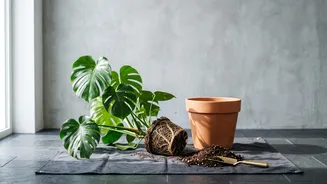
When you unpot your plant, you might find a dense, tangled mass of roots. While it is important to loosen a tightly bound root ball, being too aggressive can do more harm than good. The finest roots, which are crucial for absorbing water and nutrients, are incredibly delicate and easily damaged. A gentle touch is key. If the root ball is compacted, gently massage it with your fingers to loosen the circling roots so they can spread out in their new home. Avoid yanking the plant out by its stem or tearing through the roots. A little root disturbance encourages new growth, but severe damage will send the plant into shock, causing wilting and leaf drop.
Mistake 6: Watering Incorrectly After Repotting
Aftercare is just as important as the repotting process itself. The most common question is whether to water immediately. For most tropical houseplants, the answer is yes—give the plant a thorough watering right after repotting. This helps settle the new soil, eliminate air pockets, and give the roots access to moisture. However, the big mistake is continuing to water too frequently afterward. The plant needs time to recover and won't be drinking as much as usual. Wait until the top inch or two of soil is dry before watering again, which could take a week or more. The main exception to watering immediately is for succulents and cacti; you should wait a week to let any damaged roots heal before watering to prevent rot.