





The Numbers Behind the Surge
In July 2026, Indian Railways reported a significant 9% year-on-year increase in freight loading, moving 141.3 million tonnes of cargo. This isn't just a random spike; it reflects sustained and growing demand from crucial sectors of the economy. Key commodities
saw impressive growth, with iron ore transport jumping by 22.2%, and both coal and food grains increasing by 11.5%. This surge also translated into an 8% rise in freight revenue for the month, showcasing the commercial vitality of goods movement. The increase is particularly notable in the supply of domestic coal to power plants, which rose by 20%, ensuring the country's energy needs are met. These figures point to a deliberate and successful strategy to enhance the role of railways in the national supply chain.
The Game-Changer: Dedicated Freight Corridors
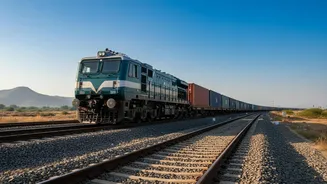
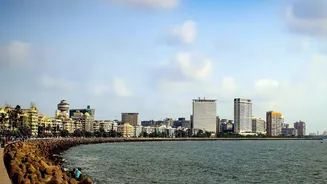
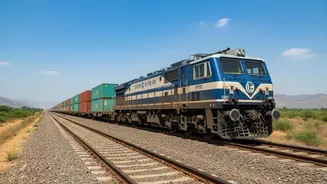
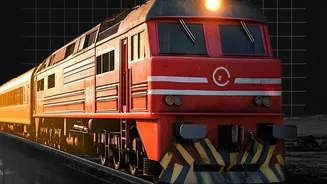
At the heart of this transformation are the Dedicated Freight Corridors (DFCs). These are special, high-speed, high-capacity railway lines built exclusively for transporting goods, separate from the congested passenger network. The two main arteries, the Western DFC (connecting Uttar Pradesh to Mumbai) and the Eastern DFC (connecting Punjab to West Bengal), are now operational. Before the DFCs, freight trains on shared tracks crawled at an average speed of 25 km/h, often sidelined to let passenger trains pass. On the DFCs, these trains can now run at speeds of 60-70 km/h, drastically cutting transit times. For example, a coal journey that once took over seven hours can now be completed in four. The impact is profound: though the DFC network is a small fraction of the total rail lines, it is already handling a disproportionately high share of freight traffic, proving its efficiency.
More Than Just Tracks
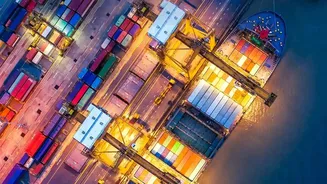
This freight boom is a core component of India's broader economic strategy, particularly the National Logistics Policy (NLP). Launched in 2022, the NLP aims to slash India's logistics costs from around 13-14% of GDP to a single-digit figure, making Indian goods more competitive globally. By creating a more efficient and cost-effective rail network for freight, the government is encouraging a modal shift from road to rail. This not only decongests highways but also integrates various parts of the supply chain—from ports to industrial hubs—more seamlessly. This integrated approach, supported by initiatives like the PM Gati Shakti National Master Plan, is creating a web of connectivity that includes new highways, multimodal logistics parks, and digital platforms to streamline the entire process of moving goods.
The Triple Win: Cost, Speed, and Environment
The shift towards rail freight offers a compelling triple advantage. Firstly, it reduces transport costs, which can ultimately benefit consumers. Secondly, the increased speed and reliability allow for better inventory management and production planning for industries, boosting overall economic efficiency. Thirdly, and critically, rail is a much more environmentally friendly mode of transport compared to road. Moving goods by train significantly reduces carbon emissions per tonne-kilometre. As India aims for sustainable development, increasing the share of rail in freight movement is a crucial step toward its green goals. The DFCs are designed to be energy-efficient, using electric traction that further supports the nation's climate commitments.
Challenges on the Line
Despite the impressive progress, challenges remain. The success of the DFCs depends on the efficiency of the 'last-mile' links—the feeder routes that connect industrial hubs and ports to the main corridor. Upgrading this supporting infrastructure is essential to ensure that the speed gains on the DFCs are not lost at the beginning or end of the journey. Furthermore, creating a truly integrated logistics ecosystem requires seamless coordination between different modes of transport and various government agencies. While studies show the DFCs are beginning to have a positive economic impact, ensuring these benefits are widespread and trigger industrial growth, especially in lagging regions, will require continued investment and policy focus.