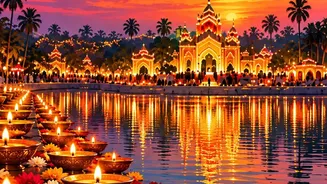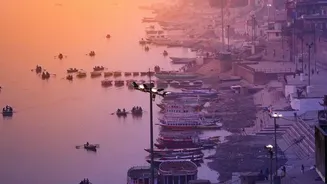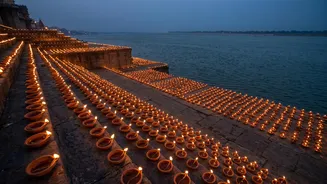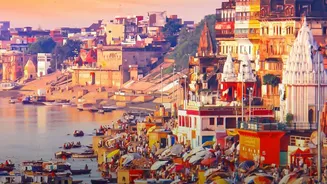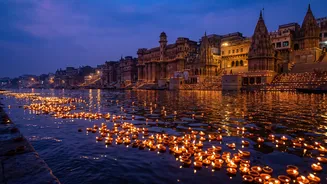



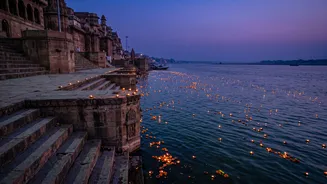
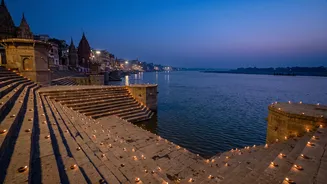
Imagine a city’s entire riverfront, stretching for kilometres, bathed in the golden glow of a million tiny flames. This is Dev Deepawali in Varanasi, an ancient spectacle that transforms the sacred Ganges into a river of light.
The Festival of Gods
Dev Deepawali, which translates
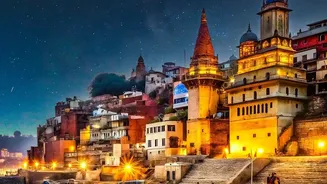
to the 'Diwali of the Gods', is a celestial celebration that takes place on Kartik Purnima, the full moon night fifteen days after the national festival of Diwali. In 2026, this breathtaking event falls on November 24th. According to mythology, this is the night the gods descend to Earth to bathe in the holy waters of the Ganges. To welcome them, the city’s 80-plus ghats—the long flights of steps leading down to the river—are decorated with more than a million earthen lamps, or 'diyas'. This tradition transforms the ancient city into an otherworldly panorama of light, faith, and celebration. The festival also commemorates Lord Shiva's victory over the demon Tripurasura, reinforcing the theme of light's triumph over darkness.
A Photographer's Perfect Canvas
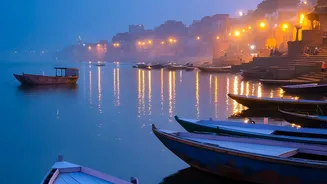
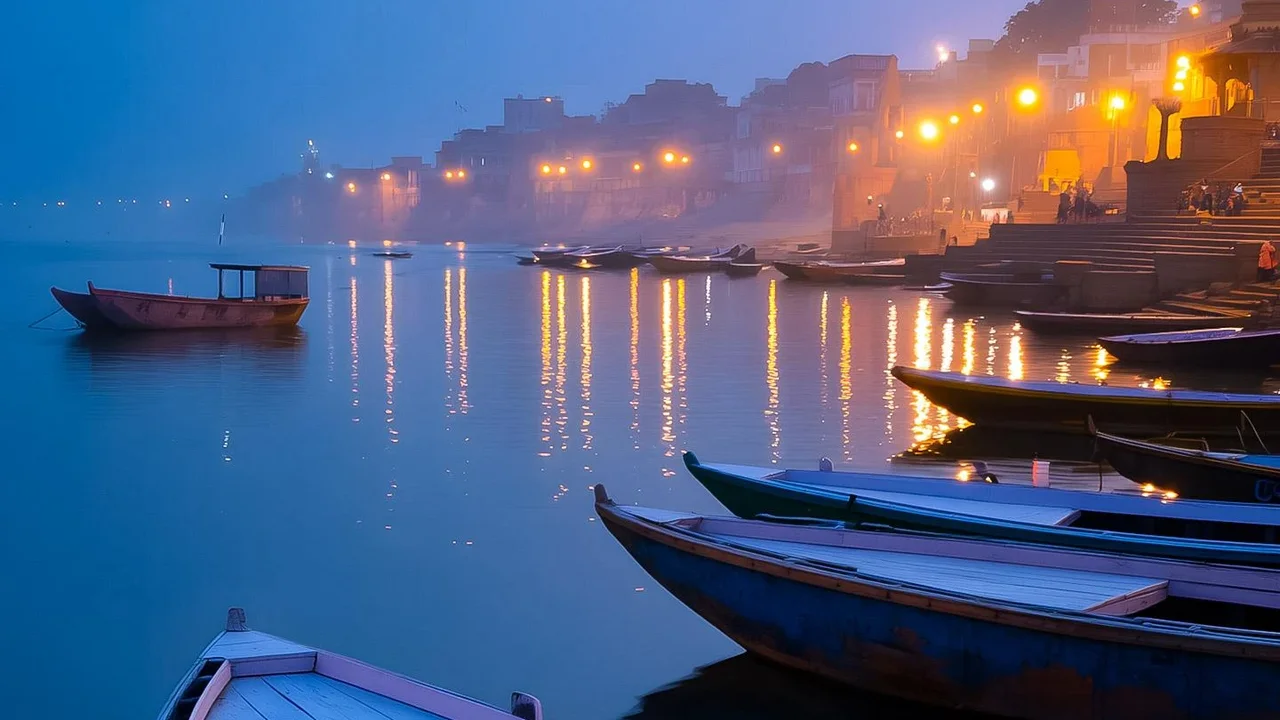
For photographers, Dev Deepawali presents an unparalleled visual canvas. The event is a confluence of perfect photographic elements: ethereal light, dramatic landscapes, and profound human emotion. The primary allure is the quality of light. As dusk settles, the sky’s fading blue is replaced by the warm, flickering glow of countless diyas. This light reflects magically on the surface of the Ganges, creating shimmering, dreamlike patterns. The ancient architecture of the temples and palaces lining the ghats provides a majestic, timeless backdrop. It’s a scene where every frame tells a story, blending grand spectacle with intimate moments of devotion. The grand Ganga Aarti ceremony at ghats like Dashashwamedh, with its synchronized rituals and large fire lamps, offers a focal point of intense energy and colour.
The Hunt for the Ultimate Shot
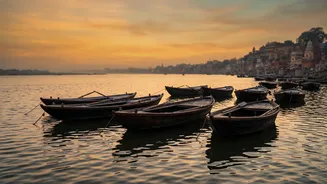
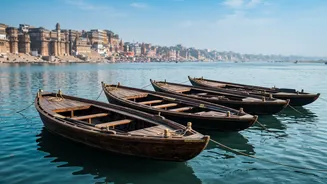
Capturing the magic of Dev Deepawali is both a challenge and a thrill, drawing photographers who thrive on complex conditions. The biggest hurdle is the sheer number of people; millions of devotees and tourists crowd the narrow lanes and ghats. This makes finding a clean, unique composition a demanding task. Many photographers arrive days in advance to scout locations, identifying the best vantage points from which to shoot. Boats on the river offer a panoramic perspective, allowing for stunning wide-angle shots of the entire illuminated crescent of the ghats. Rooftops of guesthouses provide another elevated view, away from the immediate crush. Technically, the low-light environment demands skill. Photographers often use tripods, fast lenses with wide apertures, and slow shutter speeds to capture the glow without blurring, all while navigating the bustling environment.
Beyond the Grandeur
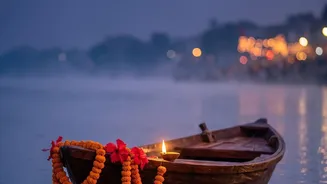
While the wide, sweeping panoramas are the festival's signature images, seasoned photographers are also on the lookout for smaller, quieter moments that capture its soul. These are the vignettes that add depth and emotion to a portfolio. A tight shot of hands cupping a flame against the wind, the serene expression on a devotee’s face, or a family lighting their first diya together—these intimate scenes convey the personal faith at the heart of the grand celebration. Photographers often wander through the ancient, narrow alleyways behind the ghats, where smaller shrines and homes are also illuminated, offering a different, more personal perspective on the festival of lights. Capturing these moments requires patience and respect, as it means entering a space of genuine spiritual observance.