






Patna’s Bihar Museum has achieved what many thought impossible, earning a spot among the world's top ten museums and being named the best in Asia. So, what is the secret behind its meteoric rise on the global culture map?
A Masterpiece of Modern Architecture
Long before you even see an artifact,
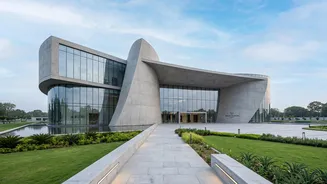
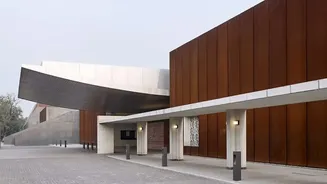
the Bihar Museum makes a profound statement with its architecture. Designed by the celebrated Pritzker Prize-winning Japanese architect Fumihiko Maki in collaboration with Mumbai's Opolis Architects, the museum is conceived as a sprawling campus rather than a single monolithic building. Spread across more than 13 acres, it features a series of interconnected low-slung buildings and landscaped courtyards. The exterior is clad in earthy Corten steel, a material chosen to symbolise India’s historic achievements in metallurgy. This design philosophy creates a tranquil, reflective environment that encourages visitors to move seamlessly between galleries and open green spaces, connecting with both history and nature.
A Chronological Journey Through History
The museum’s galleries take visitors on a captivating journey through the rich history of Bihar, from ancient times up to 1764. Unlike older museums that can sometimes feel cluttered, the Bihar Museum arranges its vast collection chronologically, allowing for a clear narrative of the region's evolution through the Mauryan, Gupta, and Mughal periods. The galleries house some of India's most significant archaeological treasures. The star attraction is the Didarganj Yakshi, a 2,300-year-old sandstone sculpture renowned for its stunning polish and lifelike form, a testament to the mastery of Mauryan artisans. Other key exhibits include ancient coins, intricate terracotta figurines, and priceless manuscripts that piece together the story of a land that was once the seat of powerful empires.
Where History Meets Technology
What truly sets the Bihar Museum apart is its embrace of modern museology. It shuns the 'look, don't touch' ethos of traditional institutions and instead invites active participation. The galleries are brought to life with interactive touchscreen displays, immersive dioramas, and audio-visual presentations that make history accessible and engaging for all ages. This blend of priceless artifacts with cutting-edge technology allows visitors to not just see history, but to experience it. For instance, exhibitions like 'Double Truth' use technology to create faithful replications of artifacts, allowing for a more sensory interaction. This modern approach transforms a visit into a dynamic, educational adventure rather than a passive walk through silent halls.
Engaging the Next Generation
A key highlight and a major driver of its family-friendly reputation is the dedicated Children’s Gallery. This space is a masterclass in how to make heritage exciting for young minds. It’s designed as a handson, interactive world where kids can touch and play with exhibits. The gallery is divided into six zones, including a wildlife sanctuary, recreations of historical eras like Sher Shah Suri's reign, and a discovery room. Children can solve puzzles to win a chance to sit on a replica of Chandragupta Maurya’s throne, use telescopes, or interact with displays on Bihar's folk art and culture. This 'play and learn' concept ensures that the museum is not just preserving the past, but is actively nurturing a future generation of history lovers.
A New Global Benchmark
The museum's recent ranking as ninth in the 'World's 100 Best Museums 2026' by travel guide 'Worth a Journey' confirms its status as a worldclass institution. Significantly, it was the only museum from India to make the list and was ranked number one in Asia, placing it ahead of worldfamous names like the Louvre in Paris and The Met in New York. This recognition is a culmination of a clear vision: to create a space that honours Bihar’s legacy while setting a new standard for visitor experience. With additional galleries exploring the Bihari diaspora and a restaurant serving regional cuisine, the museum has become a comprehensive cultural hub.