


The Sun's 11-Year Rhythm
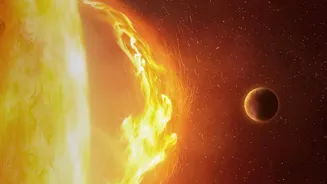
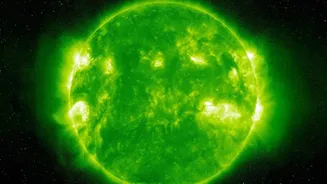
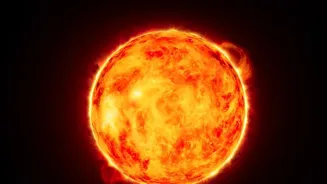
Our sun isn't static; it has a heartbeat of sorts that pulses roughly every 11 years. This is known as the solar cycle. It swings between a quiet period, called the solar minimum, and a turbulent peak, the solar maximum. During the maximum, the sun’s
surface becomes a chaotic landscape of dark, cooler areas called sunspots. These sunspots are regions of intense magnetic activity, and the more there are, the more active the sun is. The current cycle, Solar Cycle 25, which began in December 2019, has been more active than initially predicted and is expected to continue its peak activity.
Crafting a Celestial Light Show
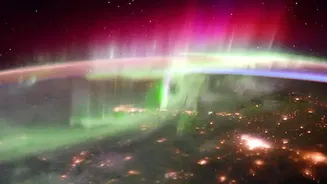
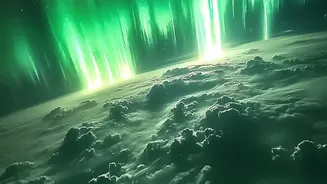
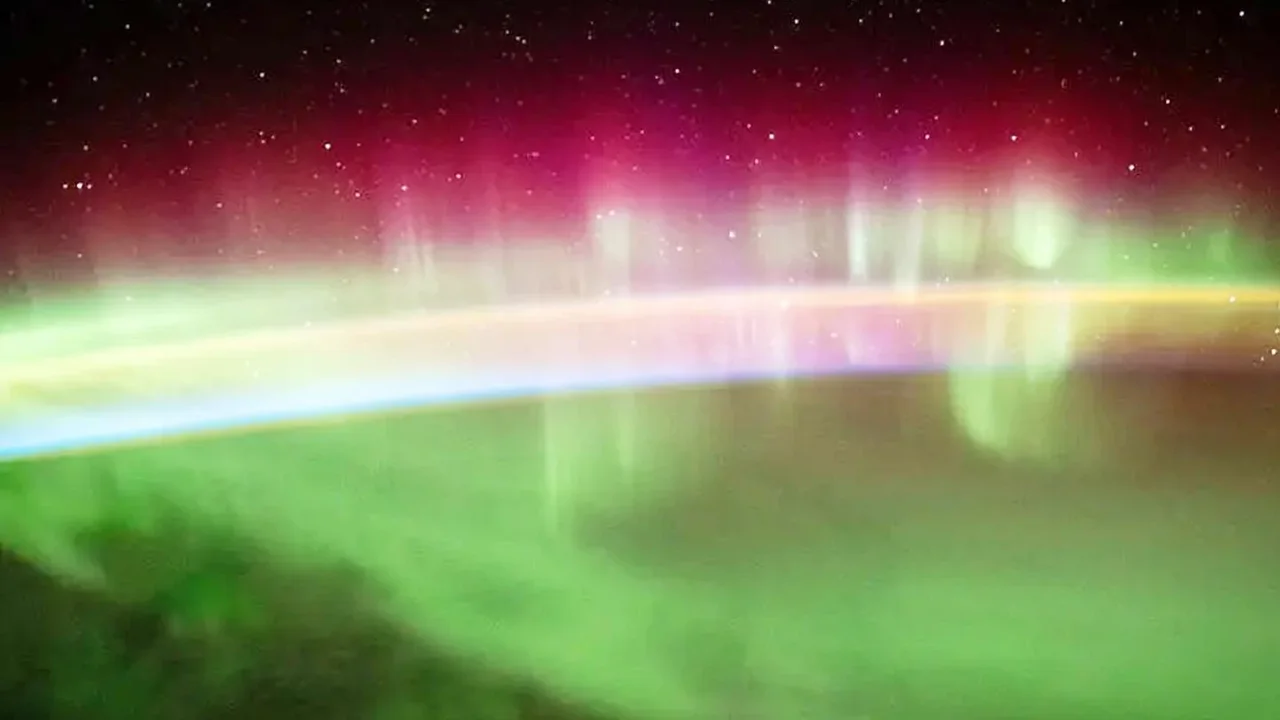
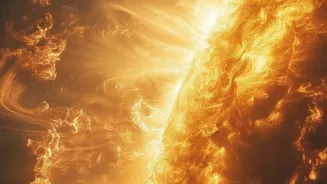
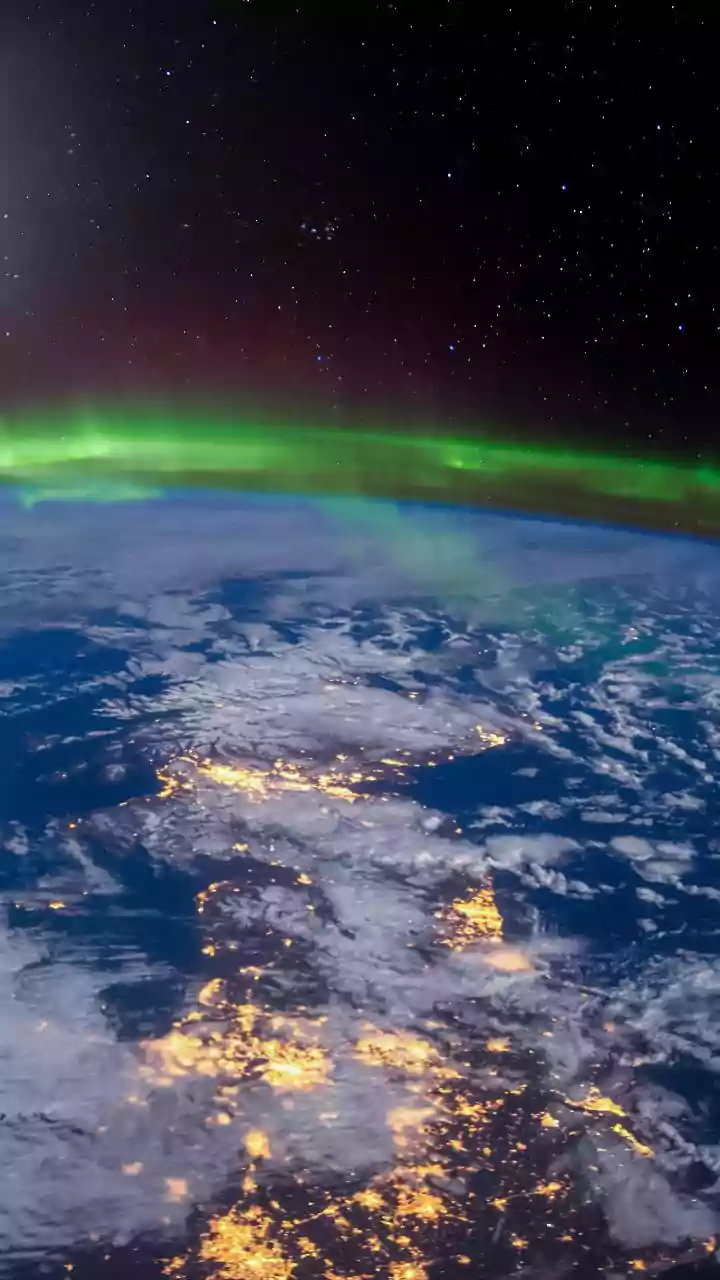
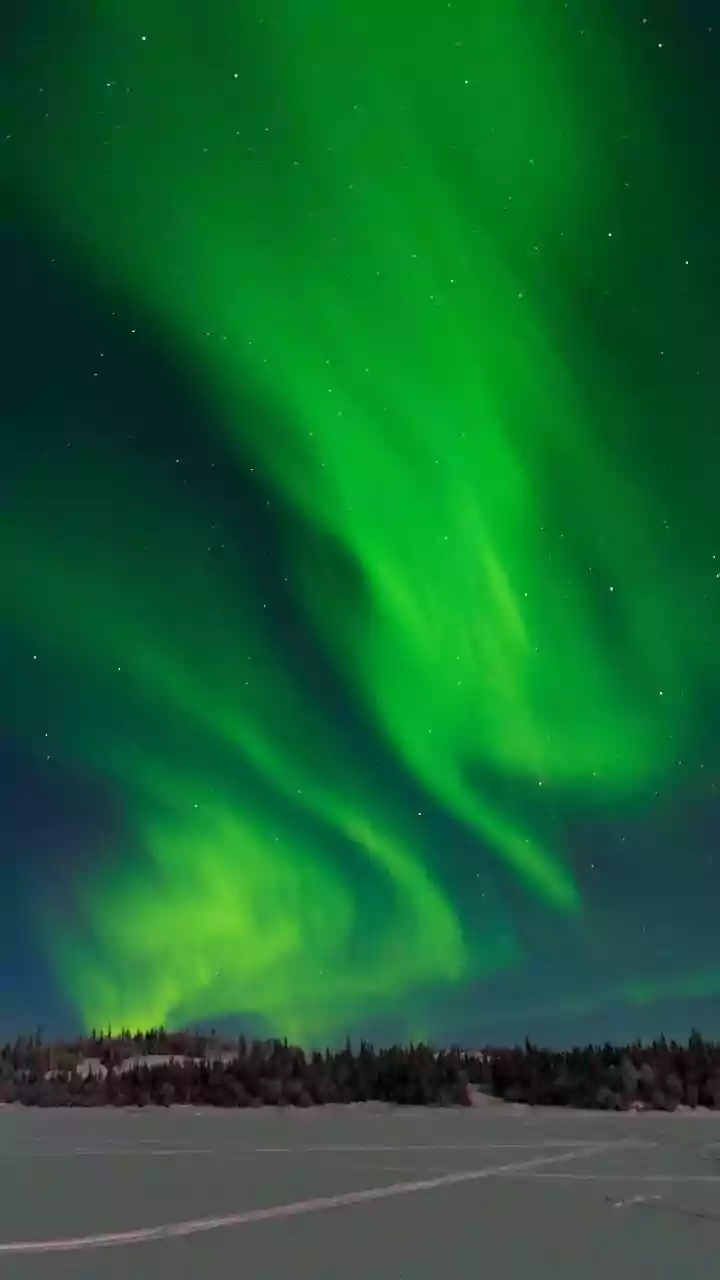
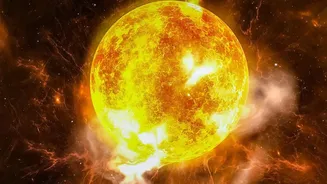
The very same solar activity that marks the maximum is responsible for one of nature's most dazzling displays: the aurora borealis and aurora australis. During this period, the sun more frequently ejects massive clouds of charged particles and magnetic fields, known as coronal mass ejections (CMEs), along with powerful bursts of radiation called solar flares. These particles journey through space on the solar wind. When they reach Earth, most are deflected by our planet's magnetic field. However, some particles become trapped and are funnelled towards the magnetic poles. There, they collide with gas molecules—primarily oxygen and nitrogen—in the upper atmosphere. This collision excites the molecules, causing them to glow and create the vibrant, dancing curtains of light we see in the sky.
The Dark Side of Solar Energy
While auroras are a beautiful consequence of solar maximum, the immense energy unleashed during these events also poses a significant threat to our technology-dependent world. The same CMEs and solar flares that create stunning lights can trigger geomagnetic storms when they interact with Earth's magnetic field. These storms are invisible disturbances but can have very visible and disruptive effects on the infrastructure we rely on for communication, navigation, and electricity. They represent the problematic side of the sun's heightened activity, turning celestial beauty into a potential liability.
Why Your GPS Gets Confused
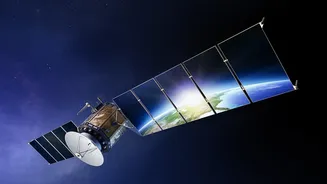
Global Positioning System (GPS) technology is particularly vulnerable to solar storms. GPS works by calculating the time it takes for a signal to travel from a satellite in orbit to a receiver on the ground. For this to be accurate, the signal must travel a predictable path. Solar storms disrupt this process by energizing a layer of our upper atmosphere called the ionosphere. This energized layer can delay, distort, and weaken the radio signals from GPS satellites passing through it. The resulting fluctuations, known as scintillation, can introduce errors in positioning, causing your GPS to report your location inaccurately or, in severe cases, fail to get a signal at all. This affects not just smartphone maps but critical systems in aviation, agriculture, and shipping that depend on precise location data.
Beyond Navigation: Wider Risks
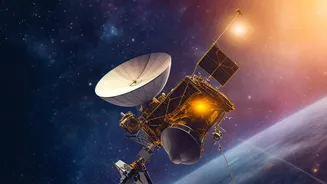
The risks from a solar maximum extend far beyond GPS. The powerful currents induced by geomagnetic storms can overload electrical power grids, potentially causing widespread blackouts. Satellites themselves are in the direct line of fire; charged particles can damage their sensitive electronics, and increased atmospheric drag from a puffed-up thermosphere can cause their orbits to decay faster than expected. This was seen in 2022 when a batch of Starlink satellites was lost after a geomagnetic storm. Astronauts and even passengers on high-altitude flights can also be exposed to higher levels of radiation. These far-reaching effects are why agencies like NOAA constantly monitor space weather, providing forecasts and warnings to help mitigate the impacts of the sun's powerful outbursts.