





With traffic fines becoming stricter, one small document is drawing major attention: the Pollution Under Control (PUC) certificate. Understanding the Centre's new rules for it is the key to avoiding a hefty penalty.
What Exactly Is a PUC Certificate?
A Pollution Under Control (PUC) certificate
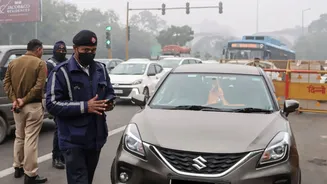
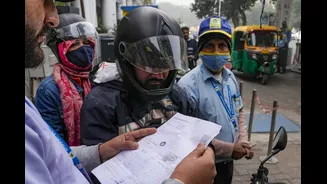
is a mandatory document that proves your vehicle's emissions are within the legal limits set by the government. Think of it as a fitness report for your vehicle's impact on air quality. It contains details like your vehicle registration number, the date of the test, and the specific emission readings. Every petrol, diesel, CNG, and LPG vehicle on Indian roads must have a valid one; only electric vehicles are exempt. This document is as crucial as your Registration Certificate (RC) and insurance, and you can be asked to produce it during any traffic stop.
Understanding the Centre's New Rules
The Ministry of Road Transport and Highways has updated the rules for PUC certificate validity, linking it to the vehicle's age and emission standard (BS-I through BS-VI). These changes were announced through the Central Motor Vehicles (Sixteenth Amendment) Rules, 2026. The validity periods are now tiered. For instance, a new private BS-VI vehicle (less than six years old) needs a PUC certificate only once every three years. However, older vehicles require more frequent checks. For example, vehicles compliant with BS-I, BS-II, and BS-III norms must renew their certificates every three months, while BS-IV vehicles have a six-month validity. This system ensures that older, potentially more polluting vehicles are monitored more closely.
Tiered Validity for BS-VI Vehicles
The rules for modern BS-VI vehicles are specifically detailed based on their age and use. For private (non-transport) BS-VI vehicles, the certificate is valid for three years for cars up to six years old. For vehicles between six and ten years old, renewal is required annually. If the vehicle is over ten years old, it needs a new PUC every six months.For commercial (transport) BS-VI vehicles, the timeline is stricter. Those up to six years old need a renewal every two years. From six to ten years of age, renewal is annual, and for those over ten years old, it's every six months.
The Heavy Cost of Non-Compliance
Driving without a valid PUC certificate can be a costly mistake. Under Section 190(2) of the Motor Vehicles Act, the penalty can be a fine of up to ₹10,000. In some cases, it can also lead to imprisonment for up to three months or a suspension of your driving license. Repeated offenses may attract even stricter penalties. Beyond just fines, an invalid PUC certificate can also create hurdles when you try to renew your vehicle's insurance policy, as insurers are mandated to check for a valid certificate.
How to Get or Renew Your Certificate
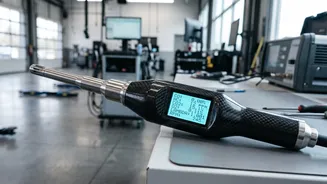
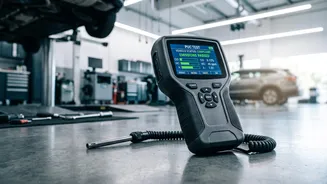
Getting a PUC certificate is a simple offline process. You must take your vehicle to an authorised emission testing centre. These are often located at petrol pumps or standalone workshops. A technician will insert a probe into your vehicle's exhaust pipe to measure the emissions while the engine is running. If the readings are within the prescribed limits, the centre will generate a new certificate. The process is quick, usually taking only a few minutes, and the cost is nominal, typically between ₹60 and ₹100. For a new car, the first PUC is valid for one year, after which you must follow the renewal schedule based on its emission standard.
Check Your PUC Status Online
While the test itself is physical, you can manage and check your PUC certificate details online. The official Parivahan Sewa portal allows you to verify your certificate's status and download a digital copy. To do this, you typically need to enter your vehicle's registration number and the last five digits of its chassis number. This is a useful feature for checking your expiry date or retrieving a lost certificate, ensuring you always have proof of compliance handy on your phone.