






The Illusion of Fullness
When you first eat a meal, your stomach stretches. This sends an immediate signal to your brain that you are full, regardless of what you’ve eaten. A large bowl of leafy greens and a dense pastry might take up similar space, creating the same initial
sensation of fullness. But this feeling is temporary. True, lasting satiety is not determined by volume alone, but by a complex hormonal conversation that begins as your body starts to digest the food. The composition of your meal—its blend of protein, fiber, fats, and carbohydrates—is what dictates whether you’ll feel satisfied for hours or be reaching for a snack shortly after.
Protein: The Appetite Regulator
Protein is consistently recognized by scientists as the most satiating macronutrient. When you consume protein-rich foods like eggs, Greek yogurt, lean meat, or lentils, your body responds by increasing the production of hormones like GLP-1 and PYY, which signal fullness to your brain. At the same time, protein helps decrease levels of ghrelin, the hormone that stimulates hunger. This hormonal shift doesn't happen instantly, but it has a powerful, sustained effect on reducing your desire to eat. Including a solid source of protein in your meal is one of the most effective strategies for keeping post-meal hunger at bay. Studies have shown that a high-protein breakfast can lead to reduced calorie intake throughout the day.
Fiber: The Slow-Release Secret
Dietary fiber is another key player in long-term appetite control. Soluble fiber, found in foods like oats, apples, beans, and carrots, absorbs water and forms a gel-like substance in your digestive tract. This process physically slows down how quickly your stomach empties, prolonging the feeling of fullness. Furthermore, fiber slows the absorption of sugar into the bloodstream, which helps prevent the sharp spikes and subsequent crashes in blood sugar that can trigger hunger and cravings. A meal high in refined carbohydrates might cause a rapid energy surge followed by a crash, leaving you hungry again. A fiber-rich meal, however, provides a more stable, slow release of energy.
The Carbohydrate and Fat Equation
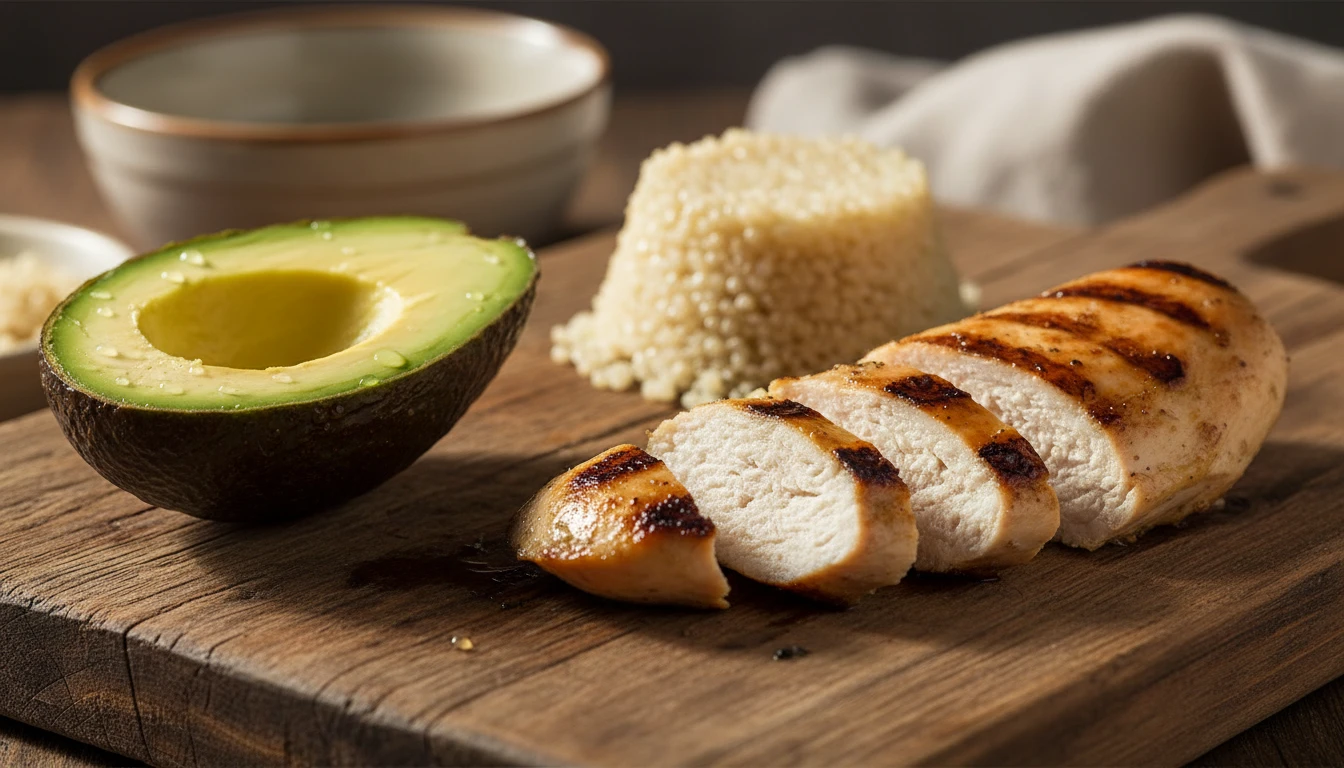
Not all carbohydrates and fats are created equal in the eyes of your appetite. Highly processed, simple carbohydrates—like those in white bread, pastries, and sugary drinks—are digested very quickly. This can lead to a rapid increase in blood sugar, followed by a sharp drop that your brain interprets as a signal for more food. Complex carbohydrates from whole foods like brown rice and quinoa are digested more slowly, promoting more stable energy. Similarly, while fat is the most energy-dense macronutrient, it's considered the least satiating on its own. However, healthy fats found in avocados, nuts, and olive oil can help slow digestion and contribute to a feeling of satisfaction when paired with protein and fiber. Conversely, diets rich in ultra-processed foods, which often combine fat and refined carbs in highly palatable ways, can disrupt appetite-regulating hormones and encourage overeating.
Building a Meal for Lasting Satiety
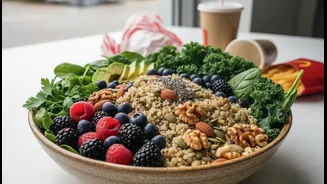
To avoid the quiet shift into post-meal hunger, focus on the architecture of your plate. Instead of judging a meal by its size, evaluate its components. A balanced meal should feature a strong protein source, ample fiber from vegetables, fruits, or whole grains, and a dose of healthy fats. For example, a breakfast of a bagel with cream cheese may look substantial, but it will likely lead to hunger sooner than a smaller-looking bowl of Greek yogurt with berries and nuts. The combination of protein from the yogurt, fiber from the berries, and healthy fats from the nuts works synergistically to regulate your appetite hormones and provide steady, lasting energy.