
Venus Reaches Peak Brilliance: September 18
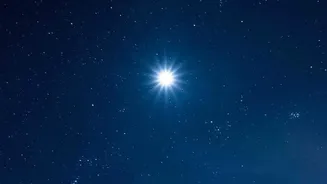
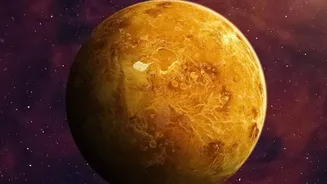
The planet Venus will be a dazzling sight all month, but it will reach its absolute brightest on the evening of September 18. Shining at a stunning magnitude of -4.8, it will be the most luminous object in the sky, aside from the Moon. You won't need
any special equipment to see it; simply look toward the western horizon just after sunset. On September 14, you can catch an extra-special sight as a slender crescent Moon will appear beautifully close to the radiant planet, making for a fantastic photo opportunity. This peak brightness occurs because Venus is getting closer to Earth in its orbit, and even though we see less of its face illuminated, its growing size makes it appear more brilliant to us.
The Autumnal Equinox: September 23
Mark your calendars for the official start of the autumn season in the Northern Hemisphere. The autumnal equinox will occur on September 23. This is the astronomical event where the Sun crosses the celestial equator, moving from north to south. While many think of the equinox as the day with equal hours of day and night, that’s not strictly true. The day with almost exactly 12 hours of light and 12 of darkness, known as the equilux, actually falls a couple of days later, around September 25 for many observers. The equinox simply marks the point when the Earth's axis isn't tilted toward or away from the Sun, giving us the seasonal shift we know as fall in India and other northern countries.
The Full Harvest Moon: September 26
September’s full moon, which reaches its peak illumination in India on the night of September 26, is famously known as the Harvest Moon. It earns its name because it’s the full moon closest to the autumnal equinox. In centuries past, the bright moonlight rising around the same time for several evenings in a row gave farmers extra light to continue harvesting their crops before the first frost. For the best view, watch for the moonrise around sunset, when it will appear largest and may have a golden-orange hue due to an optical effect called the Moon Illusion. Keep an eye out for the planet Saturn, which will be visible near the Moon on the same night.
Neptune at Opposition: September 26
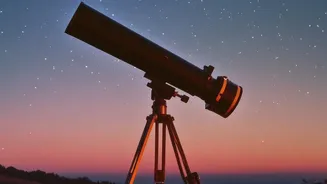
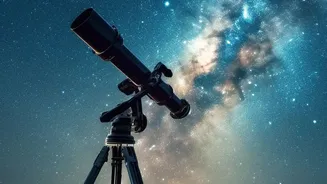
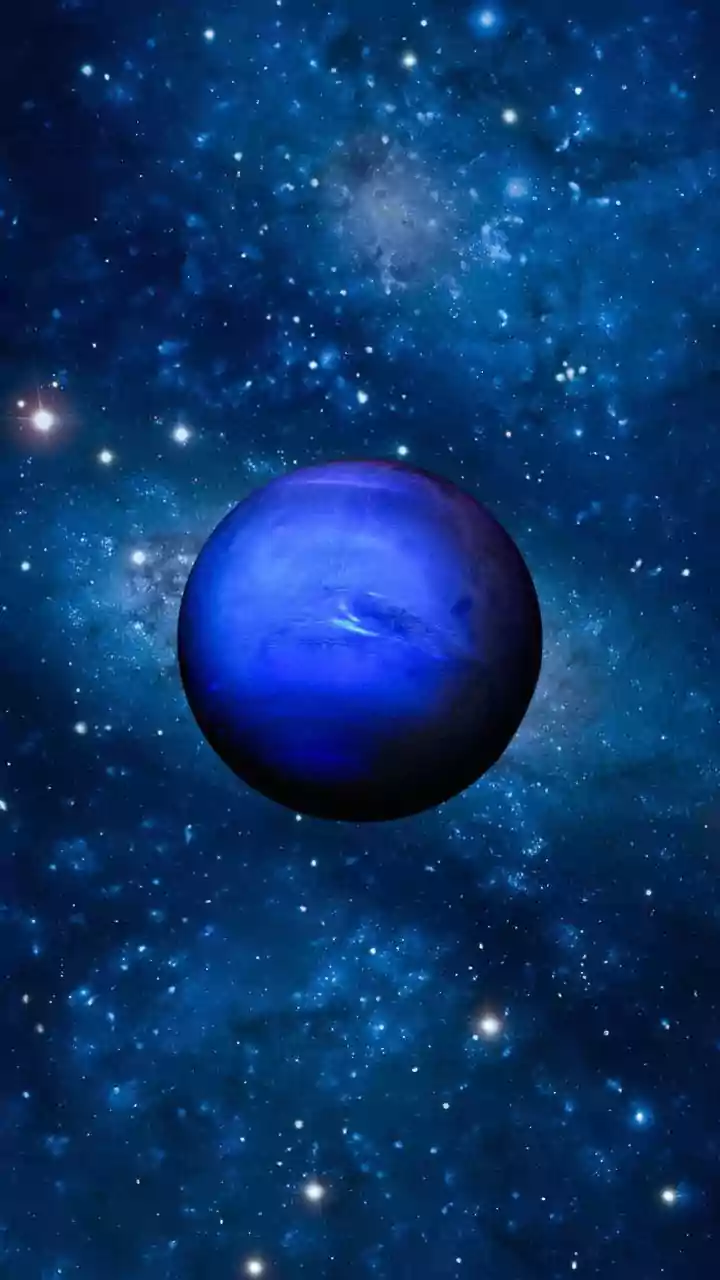
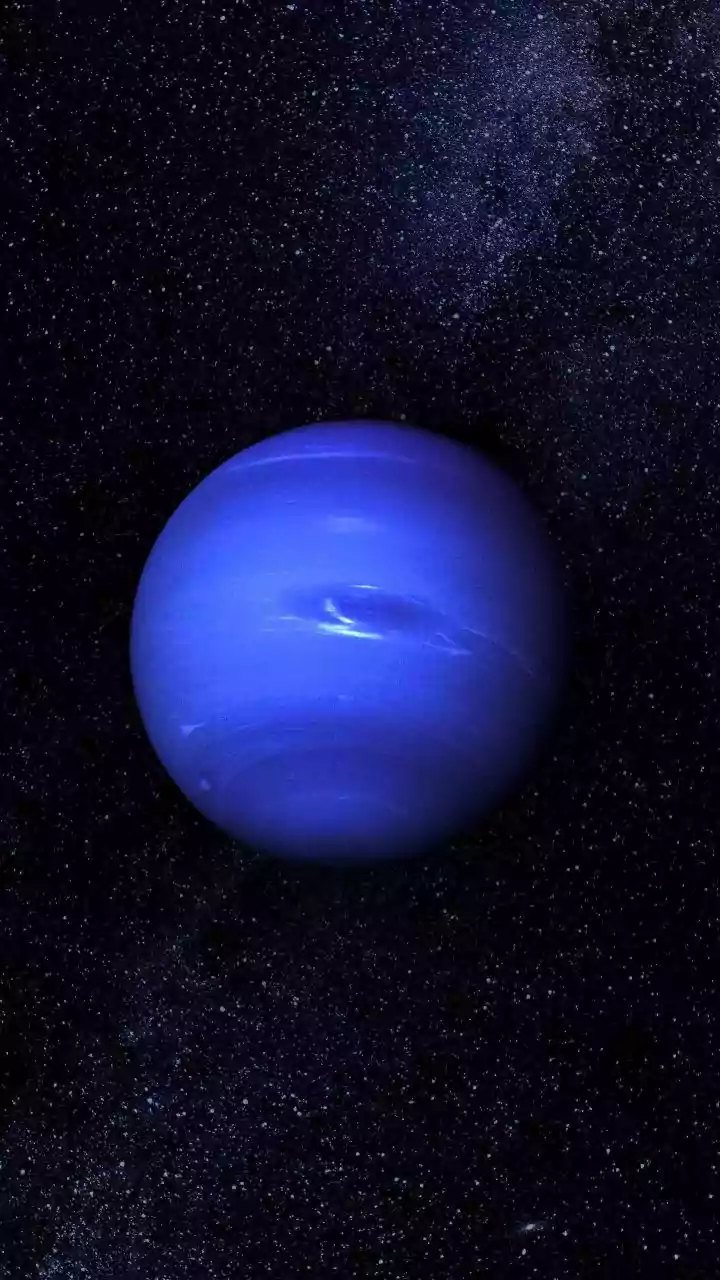
On the same night as the Harvest Moon, the distant ice giant Neptune reaches opposition. This means Earth will be positioned directly between Neptune and the Sun. While this is the time when Neptune is at its closest and brightest for the year, you won't be able to see it with the naked eye. At 30 times Earth’s distance from the sun, it will appear as a faint, star-like point of light even through good binoculars. To truly distinguish it as a small, blue disk, you'll need a telescope. Look for it in the constellation Pisces, not far from the much brighter Saturn, which can serve as a helpful guidepost.
A Minor Meteor Shower: The Epsilon Perseids: September 9
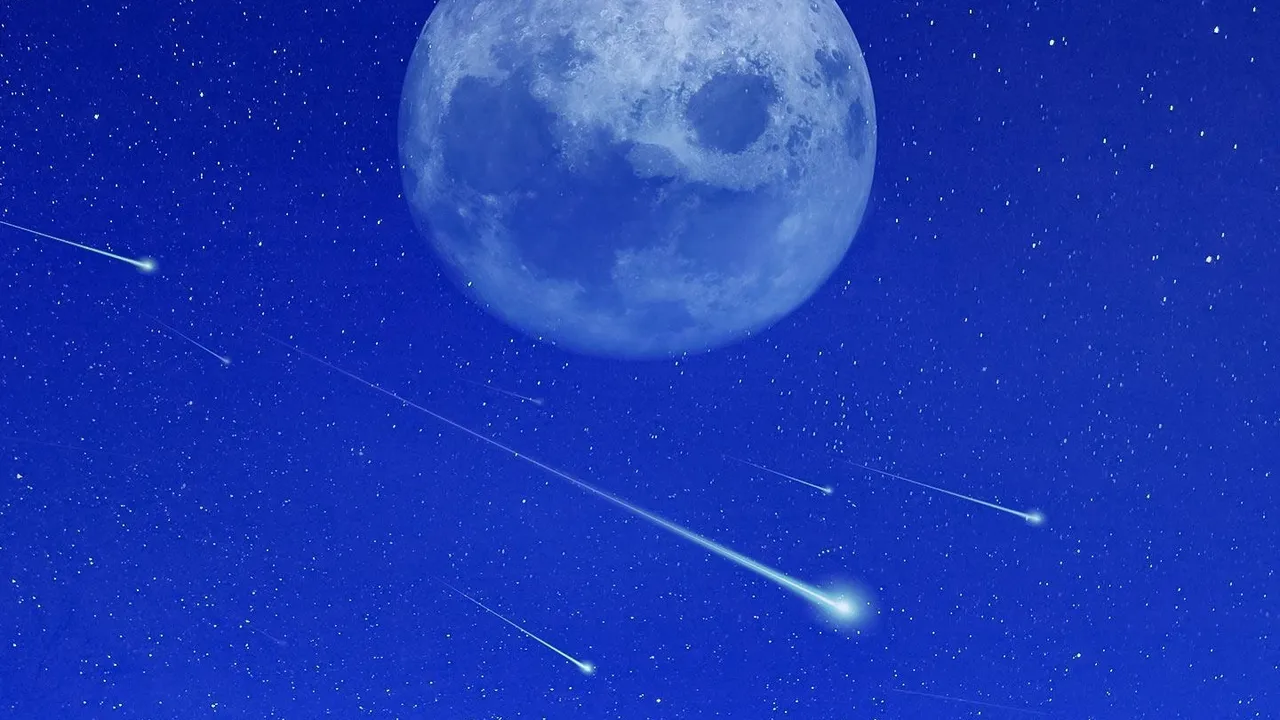
While not as dramatic as the famous August Perseids, September has its own shooting stars to offer. The Epsilon Perseid meteor shower is active from early to late September, with its peak expected on the night of September 9. Under ideal conditions, you might see about five to eight meteors per hour. This year, viewing conditions are excellent because the peak happens just before the new moon, meaning the sky will be dark and free from lunar glare. For your best chance, find a location away from city lights, let your eyes adjust to the darkness, and look toward the constellation Perseus in the northeast.