





A Nutritional Powerhouse
Before we get to the creative uses, it's worth remembering why papaya is so good for you. This fruit is a nutritional heavyweight. It’s packed with antioxidants like beta-carotene and lycopene, which help fight cellular damage. A single medium-sized papaya can
contain more than 200% of your daily recommended intake of Vitamin C, a crucial component for a strong immune system. It's also a great source of Vitamin A, which is essential for good vision, as well as folate and potassium for heart health. With a low-calorie count and high water content, it's an ideal fruit for those looking to manage their weight.
The Digestive Aid
One of papaya's most famous benefits is its ability to aid digestion. This is thanks to an enzyme called papain, which helps break down proteins, making them easier for your body to absorb. People in tropical regions have long used papaya as a natural remedy for constipation and bloating. The fruit's high fibre content also contributes to a healthy gut and regular bowel movements. So, a slice of papaya after a heavy meal isn’t just a treat; it’s a digestive helper.
Beyond the Breakfast Bowl
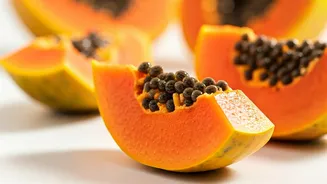
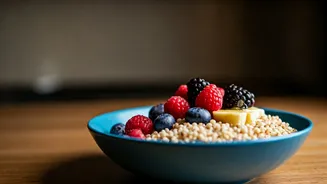
The most common way to eat papaya is sliced fresh for breakfast, perhaps with a squeeze of lime. While delicious, this is just the beginning. Try creating a 'papaya boat' by slicing a ripe papaya in half, scooping out the seeds, and filling the cavity with yogurt, nuts, and a sprinkle of seeds. For a quick and nutritious drink, blend papaya with banana, a splash of milk or coconut milk, and a few ice cubes for a creamy, tropical smoothie. These options transform the fruit from a simple side to the star of your morning meal.
The Savoury Surprise
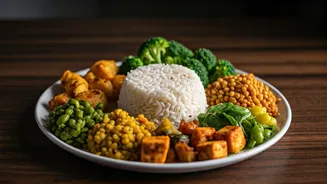
This is where papaya truly shows its versatility. While ripe papaya is sweet, raw (or green) papaya has a neutral, slightly crisp texture that makes it perfect for savoury dishes. In Indian cuisine, raw papaya is used extensively. You can find it in dishes like the North Indian Papaya Paratha, where it's grated and spiced, or the Bengali Papaya Chutney. In South India, it's used in poriyals (stir-fries) and kootus (lentil-based stews). You can even make a delicious Kacha Papaya Sabzi, a simple yet flavourful curry. Green papaya is also the star of the famous Thai Green Papaya Salad, showcasing its ability to absorb bold, spicy, and sour flavours.
From Grills to Desserts
The subtle sweetness and firm texture of a slightly under-ripe papaya make it surprisingly good for grilling. Cut it into wedges, grill until it has light char marks, and serve it as a side with grilled chicken or fish for a tropical twist. The natural enzymes in papaya also make it an excellent meat tenderizer; simply mash ripe papaya and use it as part of a marinade. For dessert, move beyond the simple fruit slice. You can make papaya halwa, a sweet pudding popular in parts of North India. Or, for a healthier frozen treat, blend papaya with a little lime juice and honey, then freeze the mixture in popsicle moulds.
Choosing and Storing
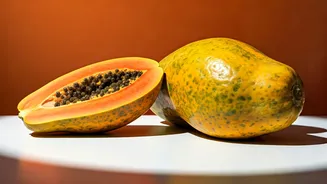
To make the most of your papaya, you need to pick the right one. Look for a papaya with skin that is turning from green to yellow-orange. It should yield to gentle pressure, similar to a ripe avocado. If it's still mostly green, you can leave it at room temperature for a few days to ripen. Once ripe, it’s best to store it in the refrigerator to slow down the ripening process and keep it fresh for longer. Remember that unripe green papayas, used for cooking, should be firm and green all over. It's important to cook green papaya before eating, especially for pregnant women, as it contains higher levels of latex.