




The Liquid Gold of Winter
Nolen gur, or 'new jaggery', is a unique sweetener harvested only during the cold months, typically from November to February. It is made from the sap of the date palm tree, a process deeply rooted in Bengali tradition. Unlike sugarcane jaggery, nolen
gur possesses a complex, caramel-like flavour with a distinct smoky undertone, a taste that is impossible to replicate artificially. The process is a testament to patience and skill. Tappers, known as 'shiulis', climb the trees at dusk, make a precise incision, and hang earthen pots to collect the sweet sap that drips overnight. The coldest nights yield the most flavourful sap, which must be collected at dawn and boiled immediately to prevent fermentation.
A Labour of Love and Tradition
The transformation of the watery sap, or 'rosh', into the revered gur is an art form. For hours, the sap is slow-boiled in large, shallow pans over wood fires. This long reduction process caramelises the natural sugars and infuses the gur with its signature smoky aroma. Depending on how long it's cooked, the final product varies. An earlier stop in the boiling process yields 'jhola gur', a luscious, pourable liquid perfect for drizzling. Further heating creates 'patali gur', solid cakes of jaggery that melt in the mouth and are often stored for later use. This entire tradition is a seasonal migration for many shiuli families, who temporarily relocate to be near the palm groves, keeping this generational craft alive.
The Sweet Trail Through Bengal
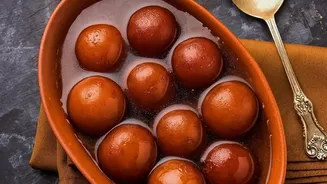
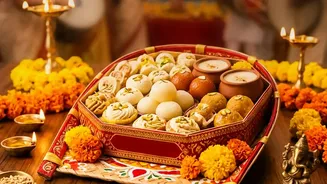
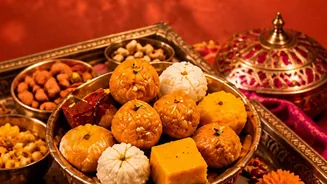
With the arrival of nolen gur, sweet shops across Bengal, from iconic Kolkata establishments to neighbourhood stores, begin their magical transformations. This is the start of the heritage dessert trail, a journey defined by taste. The classic rosogolla sheds its white, sugary form for a brownish hue, soaking in the complex sweetness of gur syrup. Sandesh, the delicate cheese-based sweet, is reimagined into countless forms, the most famous being the 'jolbhora', a sandesh with a surprising liquid nolen gur centre. Another winter household favourite is the Patishapta, a thin crêpe made with rice flour, filled with a delicious mixture of coconut or kheer and, of course, nolen gur.
Joynogorer Moa: A GI-Tagged Delicacy
No discussion of nolen gur is complete without mentioning Joynogorer Moa. Hailing from the Joynagar-Majilpur area, this delicacy is so unique that it has been awarded a Geographical Indication (GI) tag, meaning authentic moa can only come from this region. It is a soft, melt-in-your-mouth sweet made from a special puffed rice ('Kanakchur khoi'), fresh patali gur, ghee, cardamom, and poppy seeds. The history of this sweet is rich, with records showing it was a favourite of social reformers and prominent figures during the Bengal Renaissance. The GI tag not only protects its authenticity but also honours the generations of artisans who have perfected its creation.
A Flavour That Defines a Season
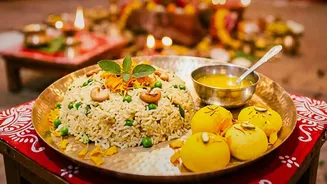
More than just an ingredient, nolen gur is a cultural marker. Its arrival signals the onset of winter festivities, including the harvest festival of Poush Sankranti, where it is used to make a variety of traditional pithe (rice cakes) and payesh (rice pudding). The flavour is deeply intertwined with nostalgia and childhood memories for Bengalis, a taste of home that is both celebratory and comforting. While modern chefs have experimented with nolen gur in everything from ice creams to lattes, its soul remains in the traditional mishti that lines the shelves of sweet shops for a few fleeting months each year, a delicious reminder of the season's transient beauty.