







What 'Sustainable Eating' Really Means
The word “sustainable” has two vital meanings when it comes to your diet. First, it must be sustainable for you as an individual. This means the eating pattern is affordable, accessible, enjoyable, and flexible enough to fit into your real life. An overly
restrictive plan that requires you to give up all your favourite foods or social meals is unlikely to last. The second meaning is environmental. A sustainable diet is one that has a low environmental impact, which helps protect our natural resources for future generations. This typically involves choosing foods that require less water and land to produce and generate fewer greenhouse gas emissions. The good news is that these two goals often go hand-in-hand.
The Problem with 'Perfect'
The pursuit of a “perfect” diet is often the biggest barrier to success. An all-or-nothing mindset can lead to feelings of failure and guilt over a single indulgence, causing many to abandon their goals altogether. Real life includes festivals, family dinners, and days when you lack the time or energy to cook an elaborate meal. A sustainable eating pattern accounts for this. It is not a rigid set of rules but a flexible framework built on progress, not perfection. The goal is to make consistently better choices over time, not to be flawless every single day. Forgiving yourself for setbacks and getting back on track is a more resilient and successful long-term strategy.
Principles for a Nourishing, Lasting Diet
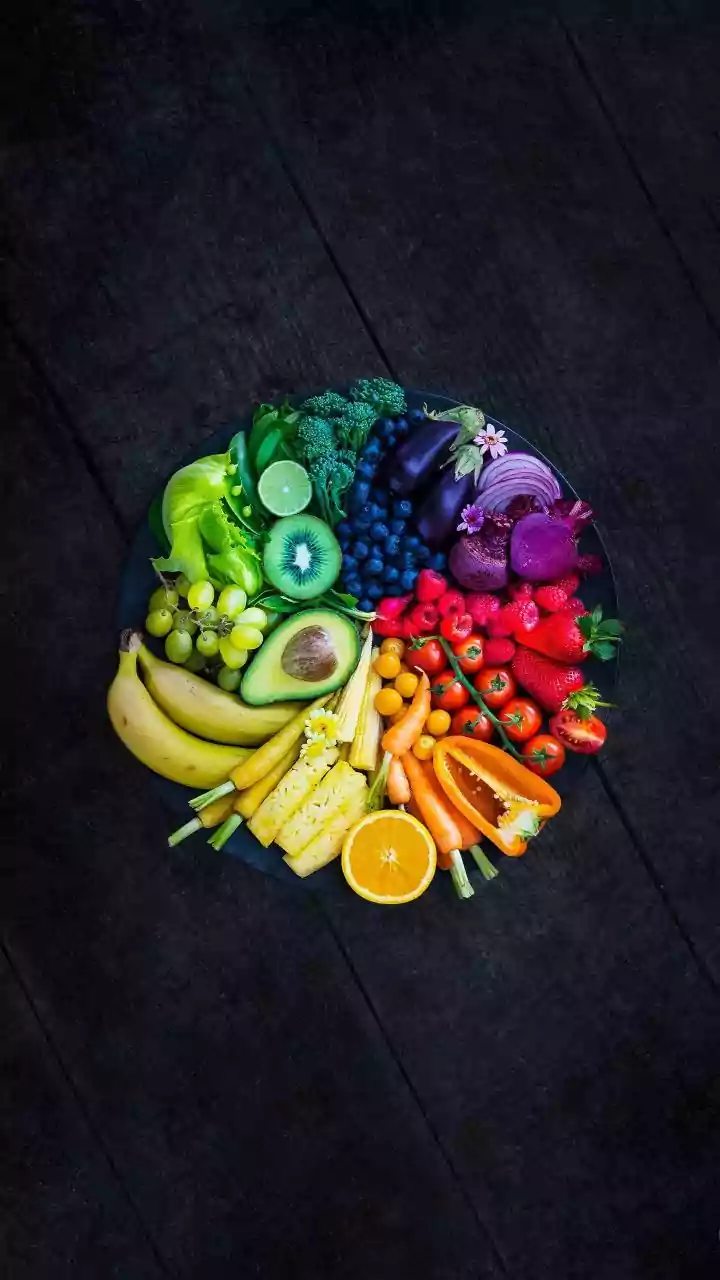
Creating a diet you can stick with involves focusing on a few core principles. Prioritise whole, minimally processed foods like fruits, vegetables, whole grains, and legumes. These are nutrient-dense and form the foundation of a healthy diet. Incorporating a variety of colourful produce ensures you get a wide range of vitamins and minerals. Furthermore, a focus on plant-based foods is beneficial for both personal health and the environment. This doesn’t necessarily mean becoming vegetarian or vegan, but rather shifting the balance of your plate to include more plant-derived proteins and vegetables. Reducing food waste by planning meals and using leftovers also contributes significantly to a sustainable lifestyle.
The Indian Advantage: A Sustainable Tradition
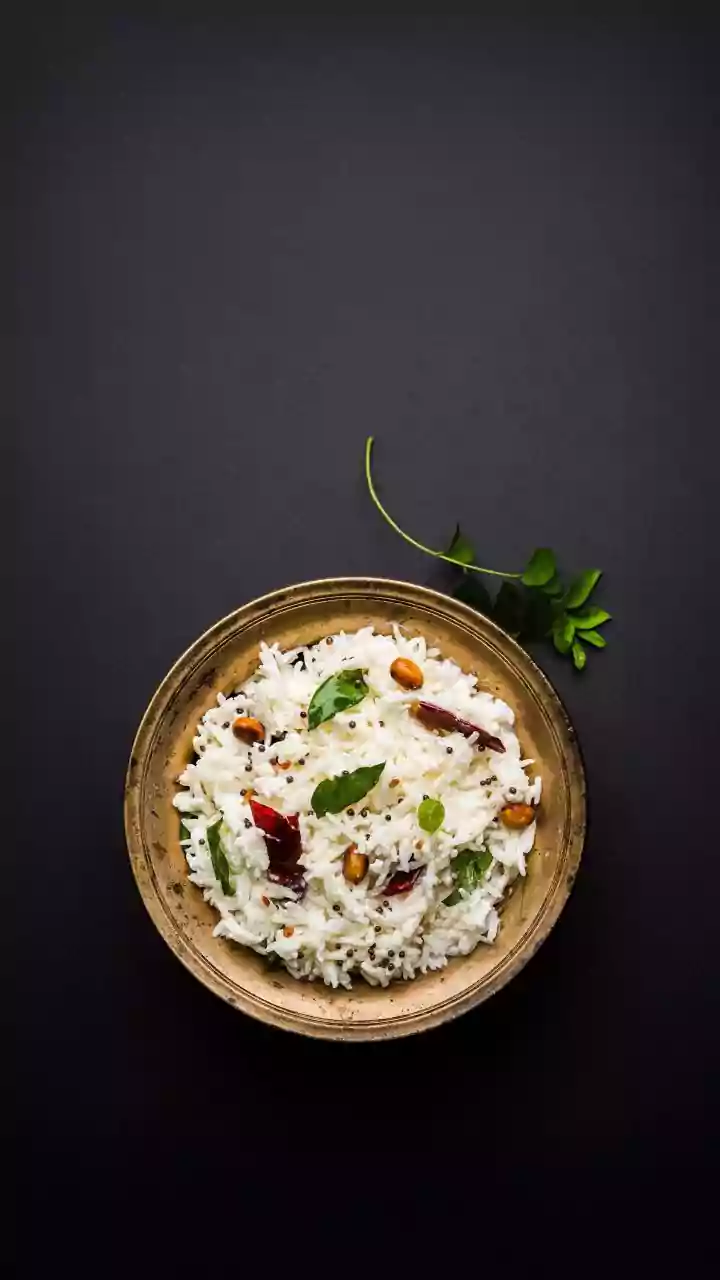
Traditional Indian eating habits are, in many ways, inherently sustainable and nutritious. A typical Indian meal composition—dal, roti or rice, vegetables, and yogurt—provides a balanced mix of carbohydrates, protein, and micronutrients. India's diet is recognised as one of the most climate-friendly among G20 nations, largely due to its plant-based focus. There is a strong tradition of using local and seasonal produce, which is not only fresher and more affordable but also better for the environment. Furthermore, the government's promotion of millets has highlighted the value of these climate-resilient grains, which require less water to grow and are packed with nutrients. Embracing these traditional practices can be a powerful and practical way to build a sustainable eating pattern.
Making Small, Manageable Changes
Drastically overhauling your diet overnight can feel overwhelming and is often unsustainable. The most effective approach is to start with small, manageable changes that you can build upon. Instead of cutting out all unhealthy foods, try adding one extra serving of vegetables to your day. Swap refined-grain rotis for whole-wheat or millet-based ones a few times a week. Plan one or two more home-cooked meals each week to control ingredients like oil and salt. These small steps, when practised consistently, build confidence and gradually become ingrained habits. Over time, these minor adjustments compound to create a significant positive impact on your overall health and well-being, without the feeling of deprivation.