







What is Passive Heat Therapy?
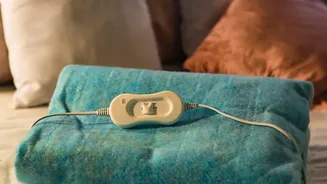
Passive heat therapy is a recovery method where the body is heated by an external source, rather than through exercise. While a warm bath is a simple form, infrared saunas are a more advanced and targeted tool. Unlike traditional saunas that heat the air
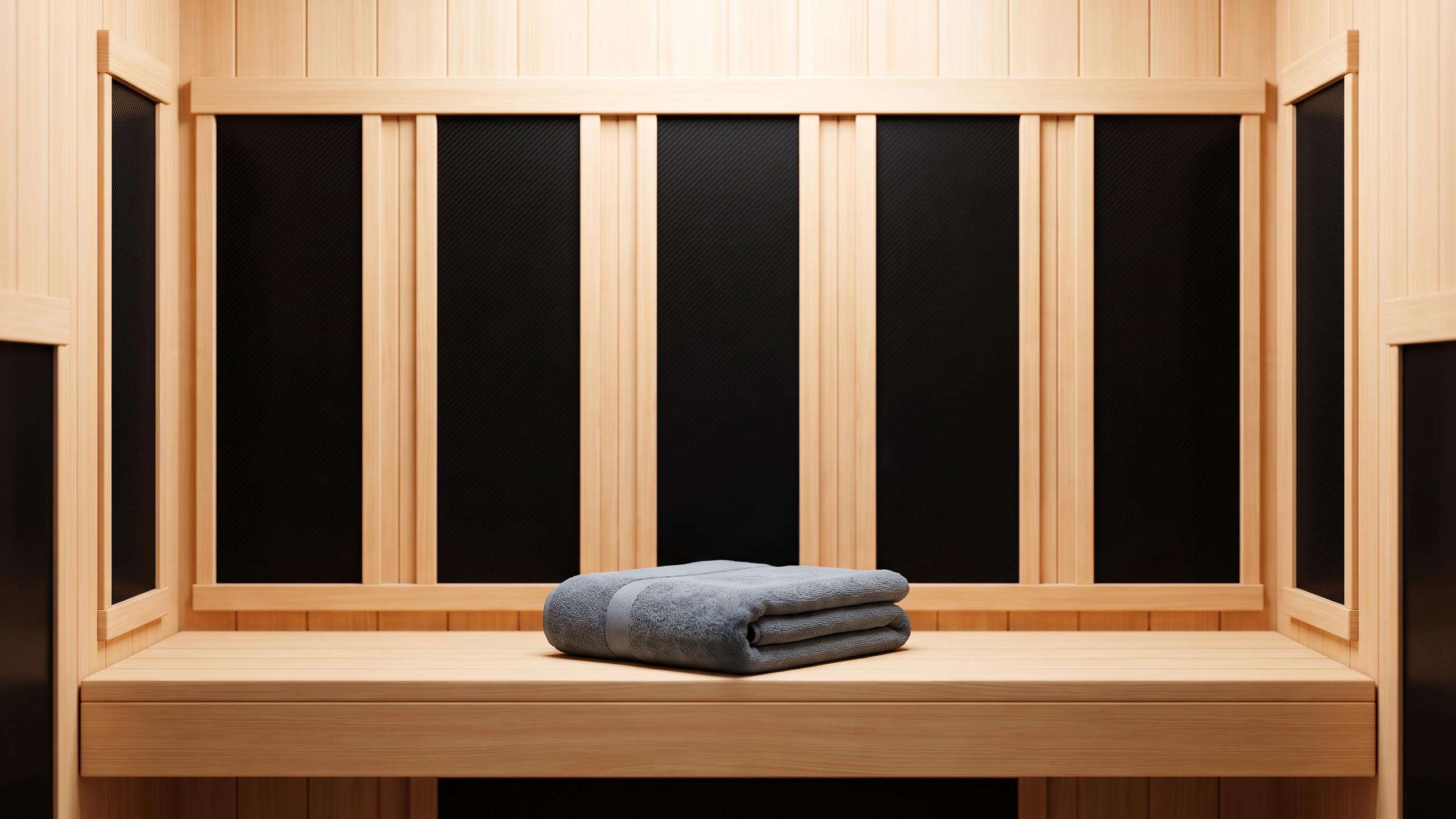
around you, infrared saunas use specific wavelengths of light to generate heat that penetrates deep into the body's tissues. This allows for a more profound physiological effect at lower, more comfortable temperatures, making it a popular choice for consistent use in a recovery program.
The Infrared Advantage: Deeper Penetration
The key difference lies in how the heat is delivered. Traditional saunas rely on convection, heating the air to warm your skin from the outside in. Infrared saunas use radiant heat, which is absorbed directly by your skin, muscles, and joints. This light energy can penetrate several centimeters into the body, raising your core temperature and inducing therapeutic effects at the cellular level. This deep penetration allows infrared therapy to reach muscles, joints, and connective tissues more effectively than surface heat alone.
Boosting Circulation for Faster Repair
One of the most significant benefits of infrared heat is vasodilation, or the widening of blood vessels. This process increases blood flow throughout the body, which is critical for muscle recovery. Enhanced circulation delivers more oxygen and essential nutrients to fatigued muscles that have been damaged during intense exercise. Simultaneously, it helps flush out metabolic byproducts and inflammatory markers that contribute to soreness and stiffness, allowing your muscles to repair and rebuild more efficiently.
Reducing Muscle Soreness and Inflammation
Delayed onset muscle soreness (DOMS) can sideline an athlete for days. Research shows that infrared sauna use after training can significantly reduce this soreness and help preserve muscle performance. The deep-penetrating heat helps calm overactive inflammatory signals in muscles and joints. Studies suggest that regular sessions can lower levels of inflammatory markers, leading to less stiffness and discomfort after workouts. This anti-inflammatory effect is a key reason why athletes are turning to infrared therapy to bounce back faster.
Activating Cellular Repair Mechanisms
Beyond just feeling good, the heat from an infrared sauna triggers a powerful response at the cellular level through the production of 'heat shock proteins' (HSPs). These specialized proteins act like cellular guardians, helping to repair damaged proteins within muscle cells and protect them from stress. By activating HSPs, you are essentially accelerating your body's natural repair processes. This mechanism supports long-term muscle regeneration and resilience, making your body better able to handle future training stress.
Putting It Into Practice
To get the most out of infrared sauna therapy, consistency is key. Most experts recommend sessions of 15-30 minutes after a workout. This timing helps kickstart the recovery process when your muscles need it most. It's crucial to hydrate well before and after each session to replenish fluids lost through sweating. While a single session can reduce immediate soreness, regular use as part of a six-week training period has been shown to enhance loaded jump performance and even sprint speed in athletes. Think of it not as a quick fix, but as a long-term investment in your body's durability and performance.