



The Humble Ziplock Bag
It’s the simplest trick in the book for a reason: it works. A high-quality, sealable plastic bag provides an excellent first line of defense against light rain and splashes. You can even use your phone's touchscreen through the plastic, making it a convenient
and incredibly cheap solution. For extra security, especially if you anticipate heavy downpours, consider double-bagging your most sensitive items like your phone or passport. While it won't protect your device if fully submerged for a long time, it's perfect for preventing damage from an unexpected shower or a leaky water bottle inside your main bag. Opt for thicker freezer bags, as their more durable plastic is less likely to be punctured by keys or other sharp objects in your purse or pocket.
Invest in a Proper Dry Bag
For anyone serious about adventure travel or carrying expensive camera gear, a dry bag is a non-negotiable investment. Unlike a regular backpack, a dry bag is made of fully waterproof material and features a roll-top closure that creates a watertight seal when fastened correctly. This design makes them capable of protecting contents even if briefly submerged, something a standard water-resistant backpack cannot do. They are available in various sizes, from small pouches perfect for a phone and wallet to larger sacks that can hold a laptop, camera, and spare clothes. You can use a larger dry bag as a liner inside your main backpack or carry a smaller one for day trips involving boat rides or treks in heavy rain.
Harness the Power of Silica Gel
Those little packets you find in new shoeboxes and electronics packaging are there for a reason. Silica gel is a desiccant, meaning it absorbs moisture from the air. During the monsoon, high humidity can cause condensation to form inside your devices, even if they never get directly rained on. This ambient moisture can lead to corrosion, rust, and long-term damage. To combat this, toss a few silica gel packets into your laptop bag, camera case, or any pouch where you store electronics. They will create a dry micro-environment, pulling excess moisture out of the enclosed space and protecting the delicate internal components of your gadgets.
Choose Your Backpack Wisely
Your everyday backpack might not be up to the challenge of a monsoon downpour. When shopping for a travel bag, look for one made from water-resistant fabrics and featuring covered or water-repellent zippers. Many modern travel backpacks include a dedicated, padded compartment for laptops and tablets, which offers both physical and some weather protection. For the ultimate defence, some backpacks come with a built-in rain cover that can be quickly deployed when a storm hits. If yours doesn't have one, you can purchase a separate rain cover sized to fit your bag. Another simple, low-cost hack is to line your entire backpack with a heavy-duty garbage bag before packing; this creates an effective waterproof barrier for all your belongings.
A Dedicated Case for Your Phone
Your phone is often your most-used and most-exposed device, serving as your map, camera, and lifeline. Investing in a waterproof phone case is a smart move for any traveller. These come in two main types: hard cases that are device-specific and offer rugged protection against drops and water, and soft pouches that can fit a variety of phone models. A good case will allow you to use the touchscreen and buttons while keeping the phone completely sealed from water, sand, and dirt. This is particularly useful for taking photos at waterfalls or on boat trips without risking a costly accident.
Separate and Isolate Your Gear
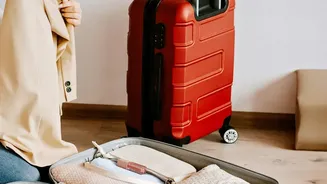
Good packing organisation is key to preventing a small leak from becoming a big disaster. Use a system of smaller pouches and packing cubes to compartmentalise your belongings. Keep all electronics and their associated cables in a dedicated, protected pouch. This not only keeps them organised but also isolates them from potential hazards, like a damp umbrella or a wet rain jacket that you’ve hastily stuffed back into your bag. Creating a designated 'dry zone' within your main luggage for electronics, documents, and medicine ensures your most critical items remain shielded, even if other parts of your bag get damp.