






Pre-Monsoon (April-May): The Great Preparation
As summer’s heat gives way to the promise of rain, this is the most critical window for preventative action. Your goal is to fortify the property’s exterior to prevent water from getting in. Start with the roof; visually inspect for any cracked, missing,
or shifted tiles and ensure all flashing around vents and joints is secure. Clear all gutters and downspouts of leaves, dirt, and debris to ensure rainwater can flow freely away from the building's foundation. Clogged gutters are a primary cause of water overflowing and seeping into walls. Next, walk around the property and examine the exterior walls for any cracks, especially near window and door frames, and have them sealed. A fresh coat of exterior waterproof paint can provide an additional barrier against moisture. Finally, check that all window and door seals are intact to prevent rain from being driven inside by wind.
Monsoon (June-September): The Vigilant Watch
During the heavy rains, your focus shifts from preparation to active monitoring. Inside the property, be on the lookout for the tell-tale signs of water intrusion. These include damp patches on walls or ceilings, bubbling or peeling paint, and a persistent musty odour, which can indicate hidden moisture or mould growth. It’s also vital to ensure there is adequate ventilation throughout the home to combat high humidity levels, which contribute to dampness. Pay close attention to all drains, both indoors and outdoors. Kitchen sinks can become blocked by grease and food waste, while bathroom drains are often clogged by hair and soap residue. Encourage tenants to use drain covers and be mindful of what they wash down the sink. Any signs of slow drainage should be addressed immediately to prevent a complete blockage or backup.
Post-Monsoon (October-November): The Recovery Phase
Once the rains have subsided, it’s time to conduct a thorough post-mortem. Perform a detailed inspection of the entire property, both inside and out. Look closely at ceilings and walls for any new water stains or signs of dampness that may have appeared during the monsoon. These need to be addressed to prevent long-term issues like mould. Check the roof and exterior walls again for any damage sustained during the rainy season. This is also the perfect time for a deep cleaning of all drainage systems. Outdoor drains and gutters may be filled with silt and debris washed down by the rains. Indoors, it's a good opportunity to have plumbing lines professionally cleaned to remove any gradual buildup and ensure they are clear for the dry months ahead.
Winter & Summer (December-March): The All-Season Check-Up
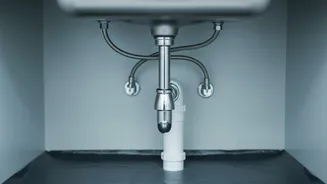
While less intense in terms of rainfall, the dry seasons are ideal for routine interior maintenance. This is the time to focus on the plumbing systems that are in constant use. Regularly inspect under all sinks, behind toilets, and around appliances like water heaters for any signs of slow drips or corrosion. A small, persistent leak can go unnoticed for weeks, causing water damage and creating a risk of mould. It’s also wise to flush the water heater at least once a year to remove sediment buildup, which improves efficiency and extends its lifespan. Test all faucets and toilets to ensure they are functioning correctly and not running, which wastes a significant amount of water. This period is also good for checking indoor air quality systems, like AC filters and exhaust fans, ensuring they are clean and functioning properly to help manage moisture levels year-round.